
When You Lose Your Footing, Try Leaning on Culture: A Look Back at the LMF 2026 Cultural Program
When reality itself comes under attack, we risk losing our bearings, our sense of wholeness, and the solid ground beneath our feet. A disoriented person is easily stripped of agency; their identity can be questioned, leaving them isolated and vulnerable to manipulation — much like the tactics used by 20th-century totalitarian regimes. Similar processes are unfolding globally today, with modern digital technologies making us even more vulnerable.
Culture can serve as a sanctuary from this threat. But it can also be a tool — or even a weapon — for active resistance.
For Ukraine, turning to our own identity, exploring it more deeply, rethinking old connections, and forging new communities has long been the natural response to major upheavals. The attempt to question our very existence in 2022 triggered a surge of creative energy. It has kept us grounded, inspiring us to discover who we are in this new reality and to invite others into the conversation.
The LMF 2026 cultural program invited guests to piece together a shared mosaic of identities. It encouraged them to focus on the small but meaningful things that keep us grounded and anchored in reality — through poetry, dance, taste, touch, and music. It was an invitation to truly hear one another and simply be together.
Because, as philosopher and LMF 2026 speaker Lene Andersen once said: “People are miserable if they’re not around other people.”
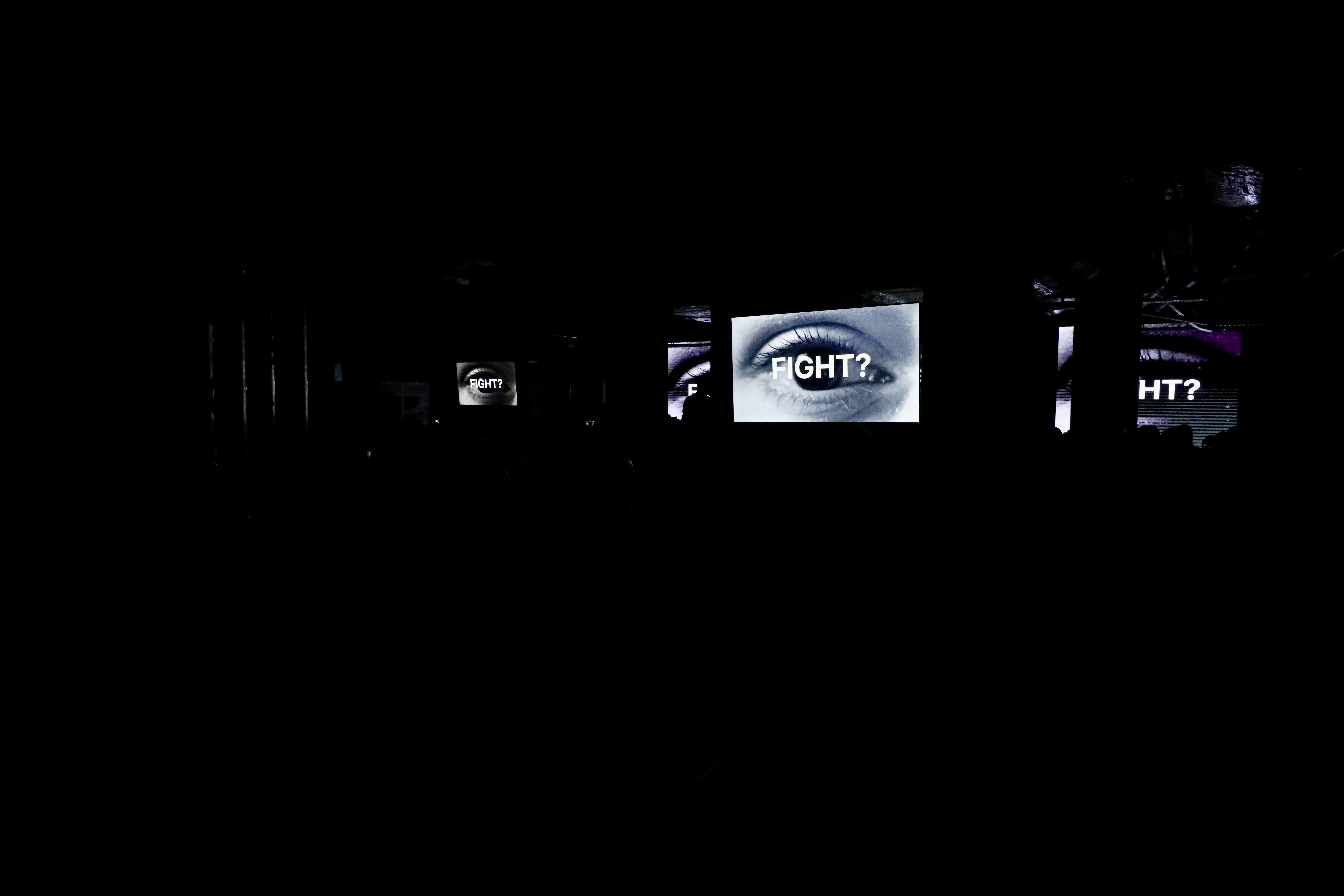
The conference opened with a video piece by creator Uliana Vovk, commissioned specifically for LMF 2026. The work highlighted the forum’s focal theme, “Reality Under Attack: Flight, Freeze, or Fight?”, exploring the sensation of losing one’s footing amidst information overload and blurred truths.
Appearing on screen were LMF team members Ola Myrovych, Halyna Tanai, Otar Dovzhenko, Ihor Balynskyi, Revide Ziyatdinova, and Oleksandra Ivashchenko.
The centerpiece exhibition of the LMF 2026 cultural program brought together several art projects. It was organized and presented in partnership with the Jam Factory Art Center, a multidisciplinary contemporary art institution based in Lviv. The projects explored how war is translated through the media, and how it is perceived, remembered, and experienced. The works directly addressed the forum’s core questions: Who shapes reality during wartime? What are we being shown — and what are we witnessing that we perhaps shouldn’t be?
“This exhibition brings together three works that explore how war is perceived and experienced away from the front lines — through the imagery, spaces, and forms of attention that shape everyday life.
“Instead of depicting active combat, the artists focus on its surroundings: moments of stillness, movement, and communication. War appears not as an isolated event, but as a condition that permeates intimate spaces, landscapes, and public discourse.
“All three works offer different modes of seeing: stillness, immersion, and direct address. What is visible is closely tied to what remains off-camera — the unspoken, the hidden, or the merely hinted at,” said Ilona Demchenko, exhibition curator and program director at the Jam Factory Art Center.
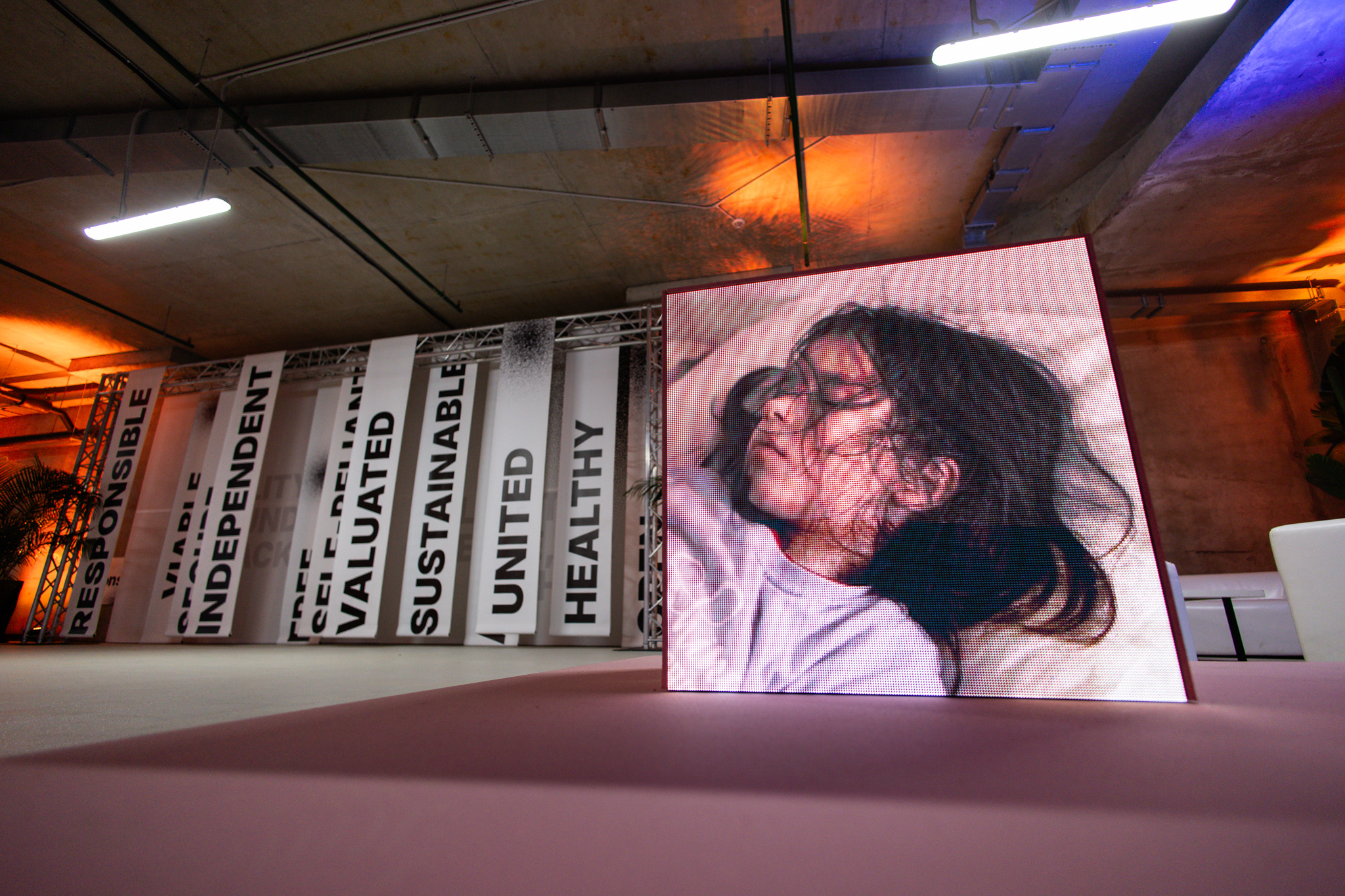
Yarema Malashchuk & Roman Khimei — You Shouldn’t Have to See This, 2024, Video installation
Roman Khimei and Yarema Malashchuk are a Kyiv-based artist and filmmaker duo renowned for their multi-channel video installations exploring collective memory and historical crowd scenes.
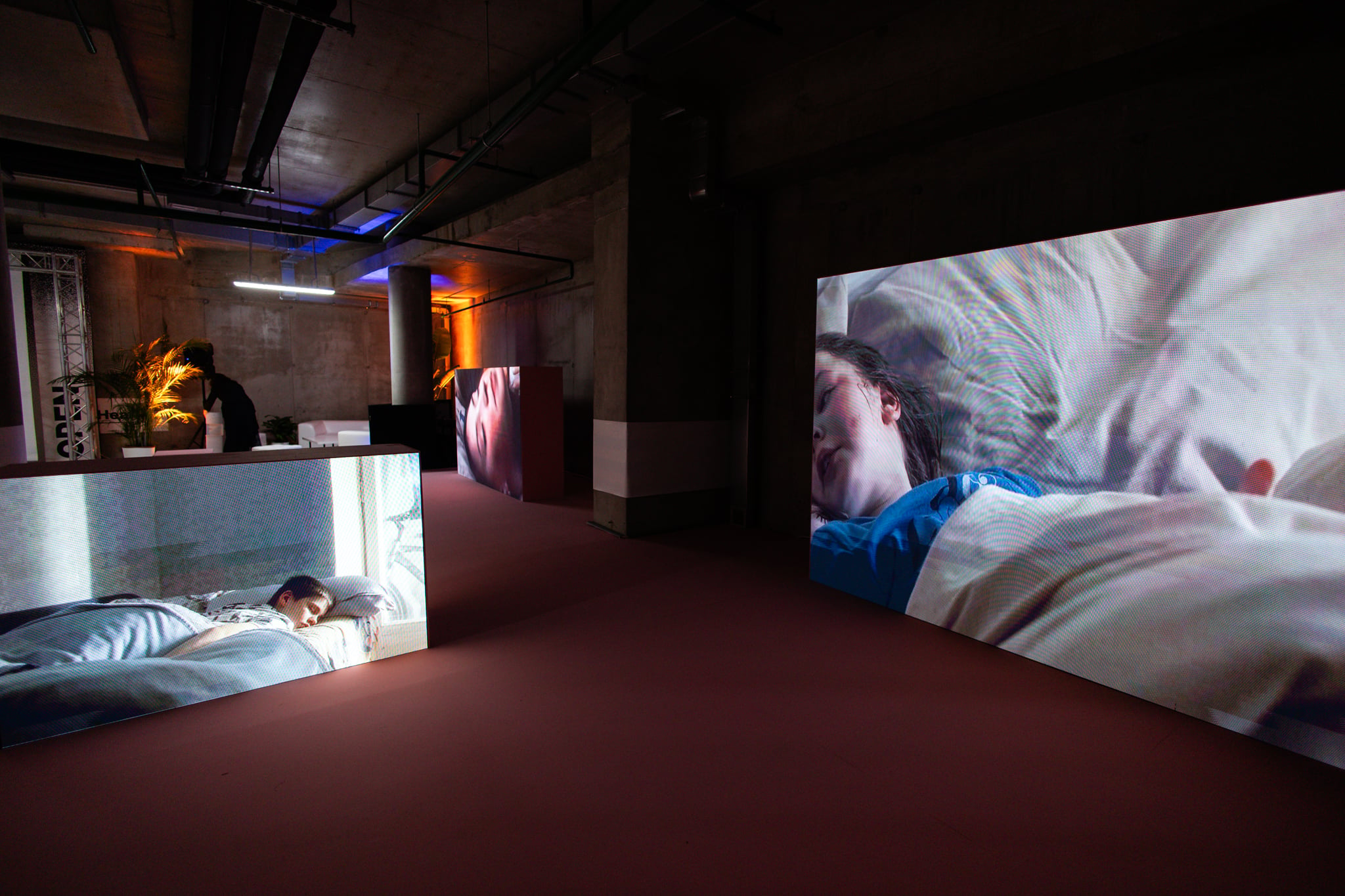
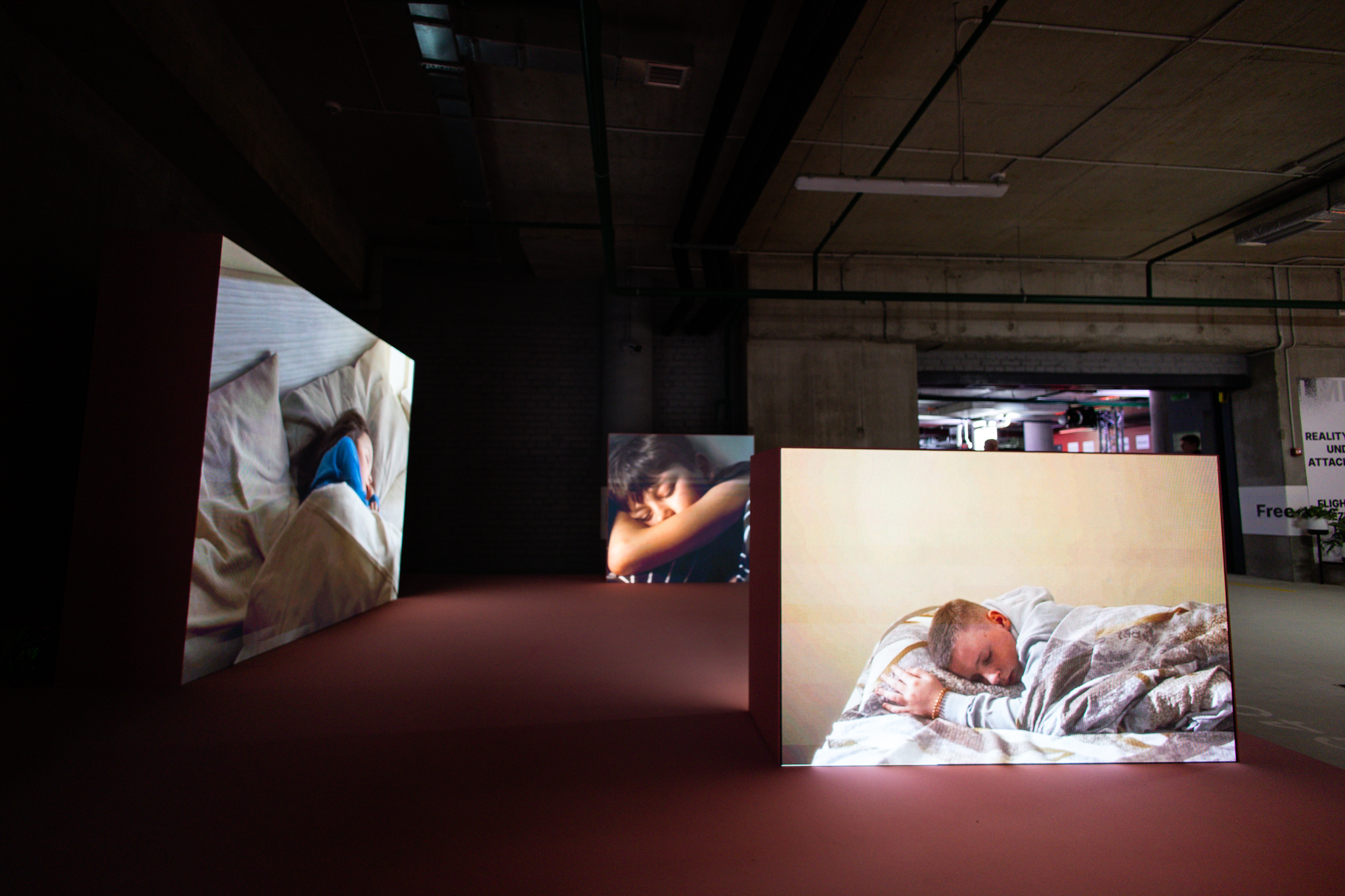
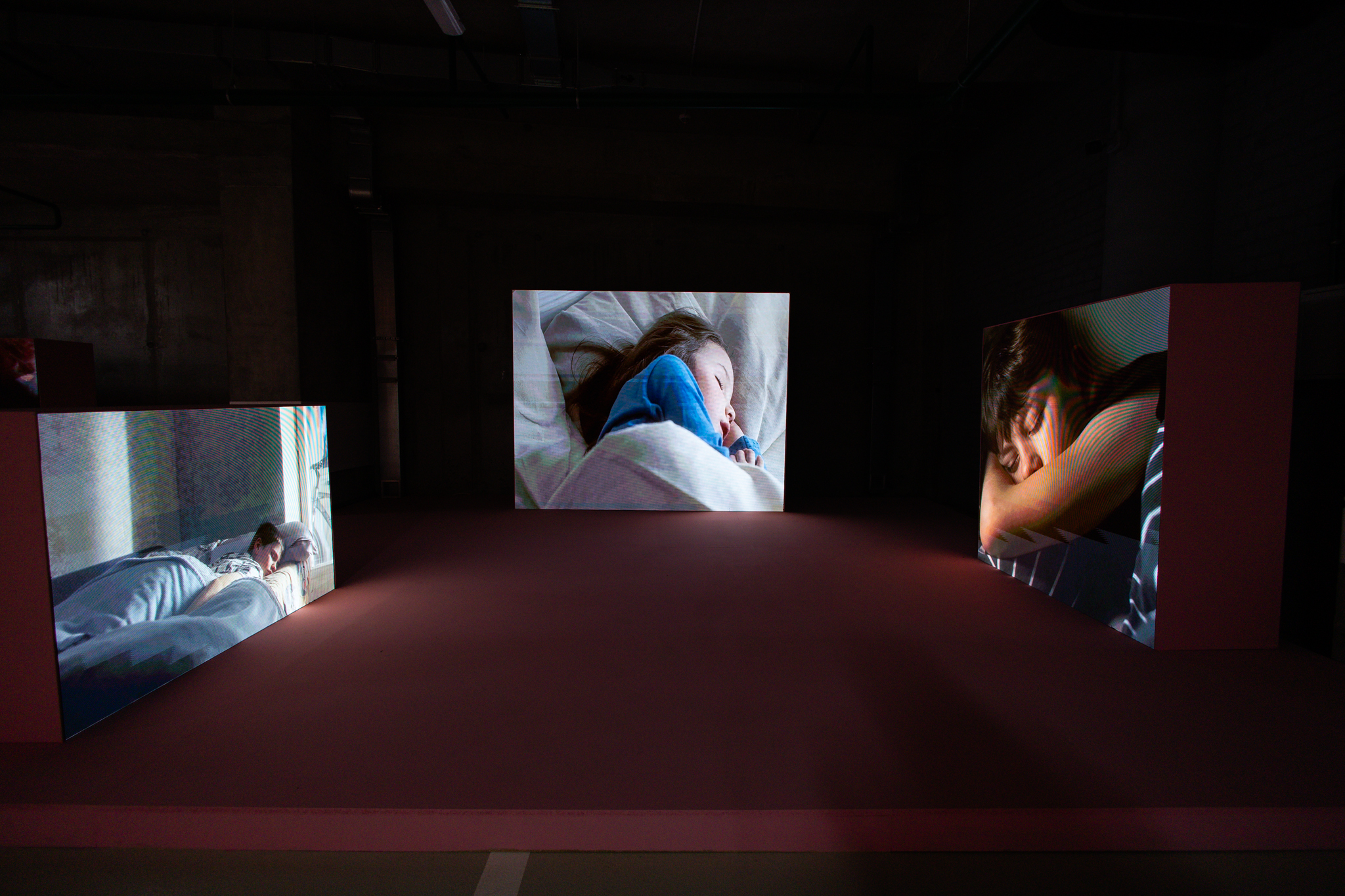
You Shouldn’t Have to See This is a six-channel silent installation displayed across LED screens of various formats. The piece captures Ukrainian children who were forcibly deported to Russia and later returned, filmed quietly as they sleep.
The silence and sheer scale of the imagery create a fragile, deeply empathetic space that simultaneously evokes a sense of profound unease. The authors emphasize that these images serve primarily as evidence of a crime, and only secondarily as art. In 2025, the project was awarded the Offscreen Paris Curatorial Prize.
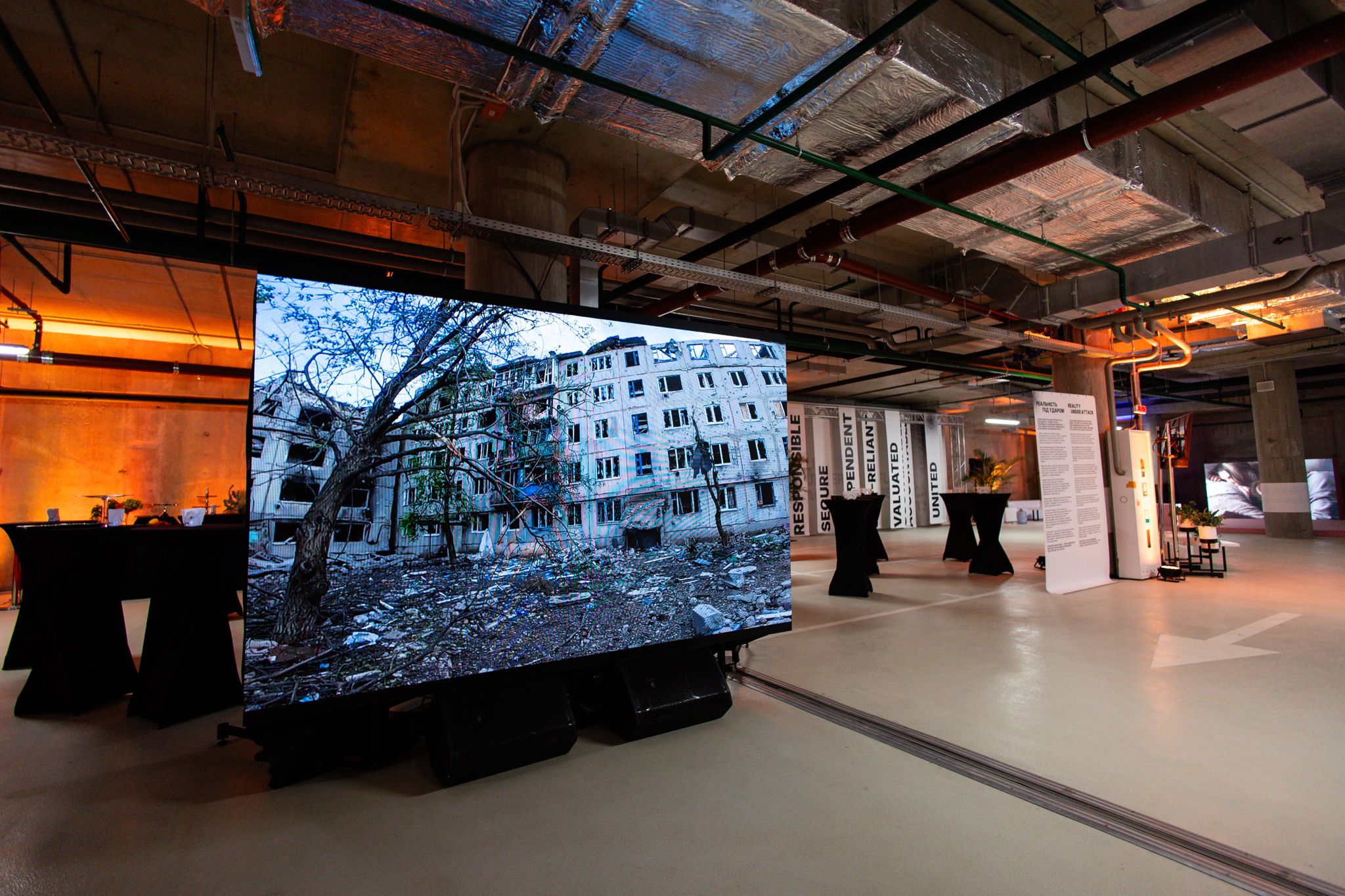
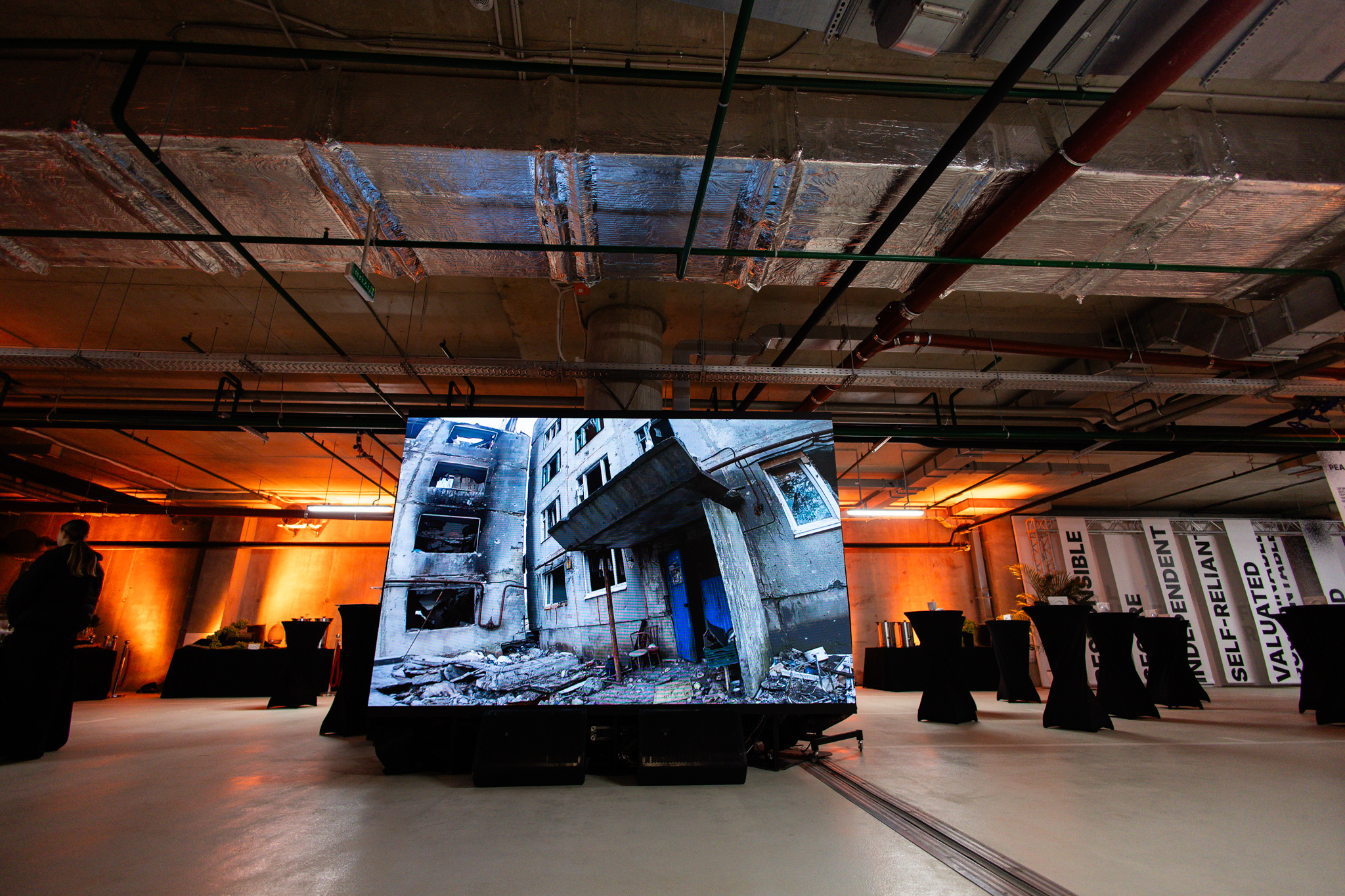
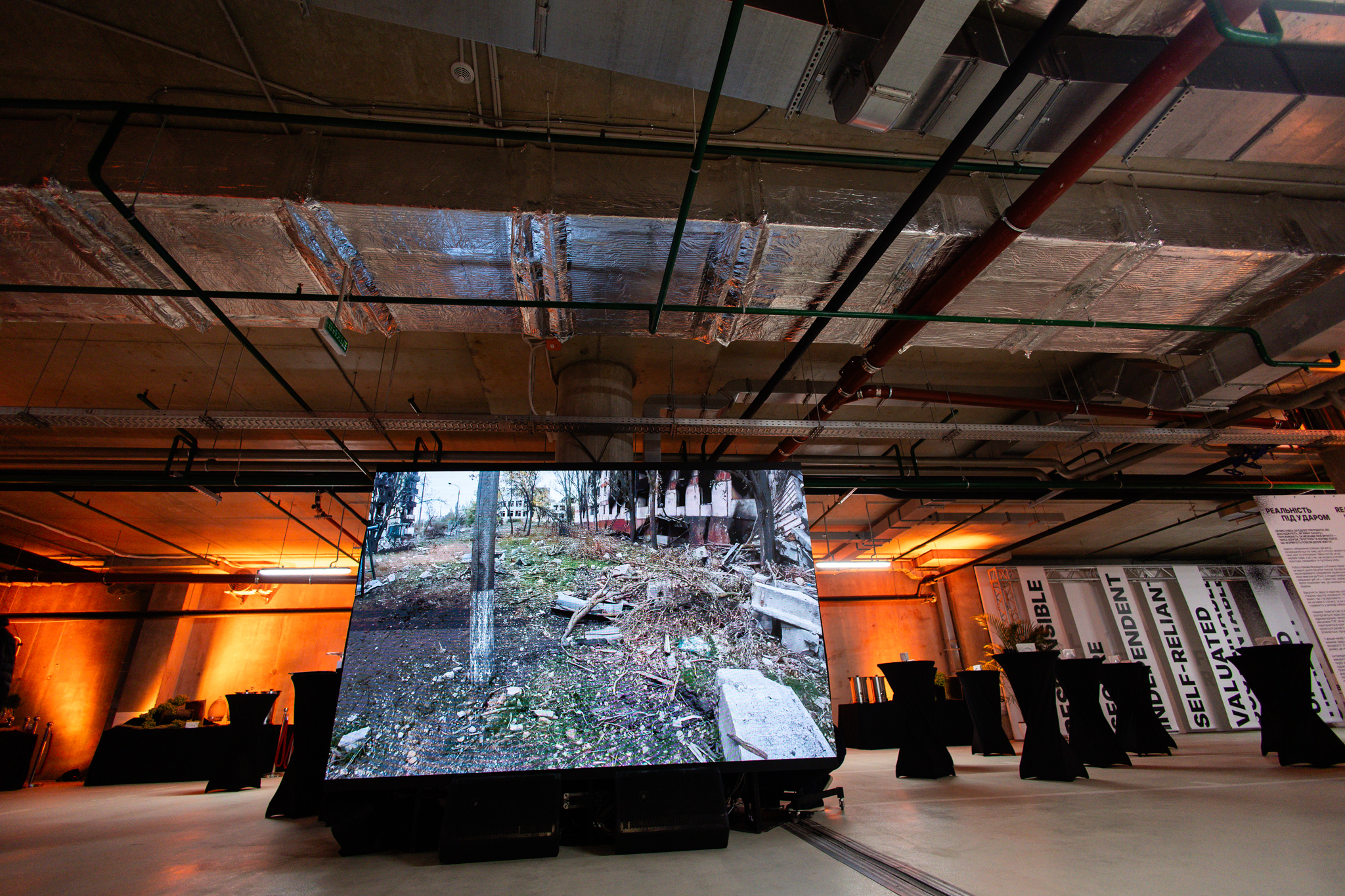
Oleksiy Sai & Yurii Gruzinov — Land, 2026, Immersive video project
Land utilizes footage from body-worn cameras of Ukrainian Defence Intelligence fighters to create a panoramic portrayal of the wartime landscape.
The project premiered at the 2026 Venice Biennale, making LMF the very first venue to host it afterward.
Instead of spectacularizing combat, the authors focus on the rhythm of movement, pauses, and the sensory tension, immersing the viewer into a soldier’s perspective without showing explicit scenes of violence.
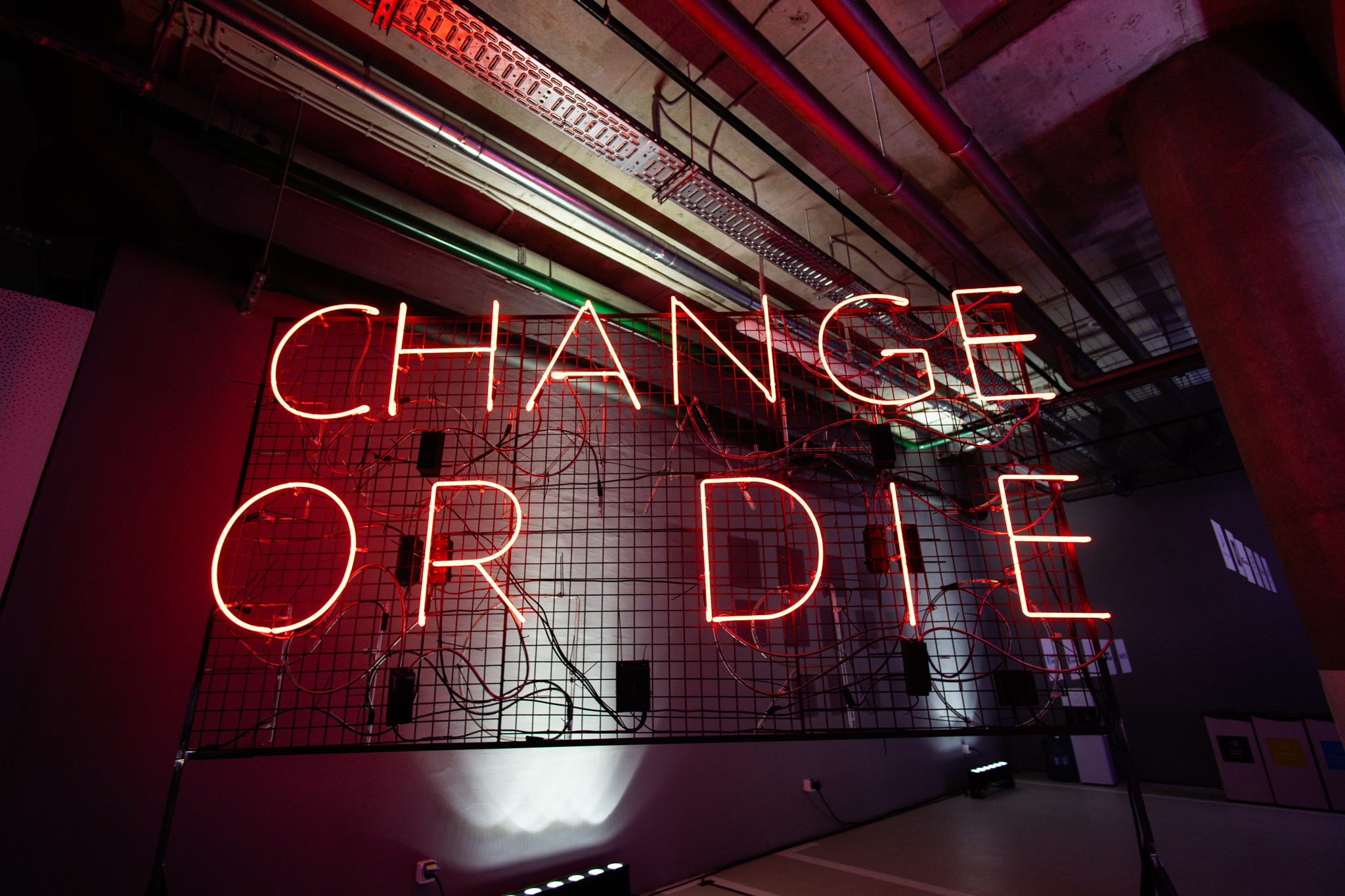
Oleksiy Sai — Change or Die, 2026, Installation
The work co-opts the language of corporate slogans to issue a stark demand to the viewer: the world as we knew it is gone, and adaptation has become a prerequisite for moving forward.
In the context of the exhibition, this project serves as a sharp leitmotif on the need for radical adaptation — a theme the other works unfold through the lived experience of war and the perception of reality.
Opening Night at LMF 2026
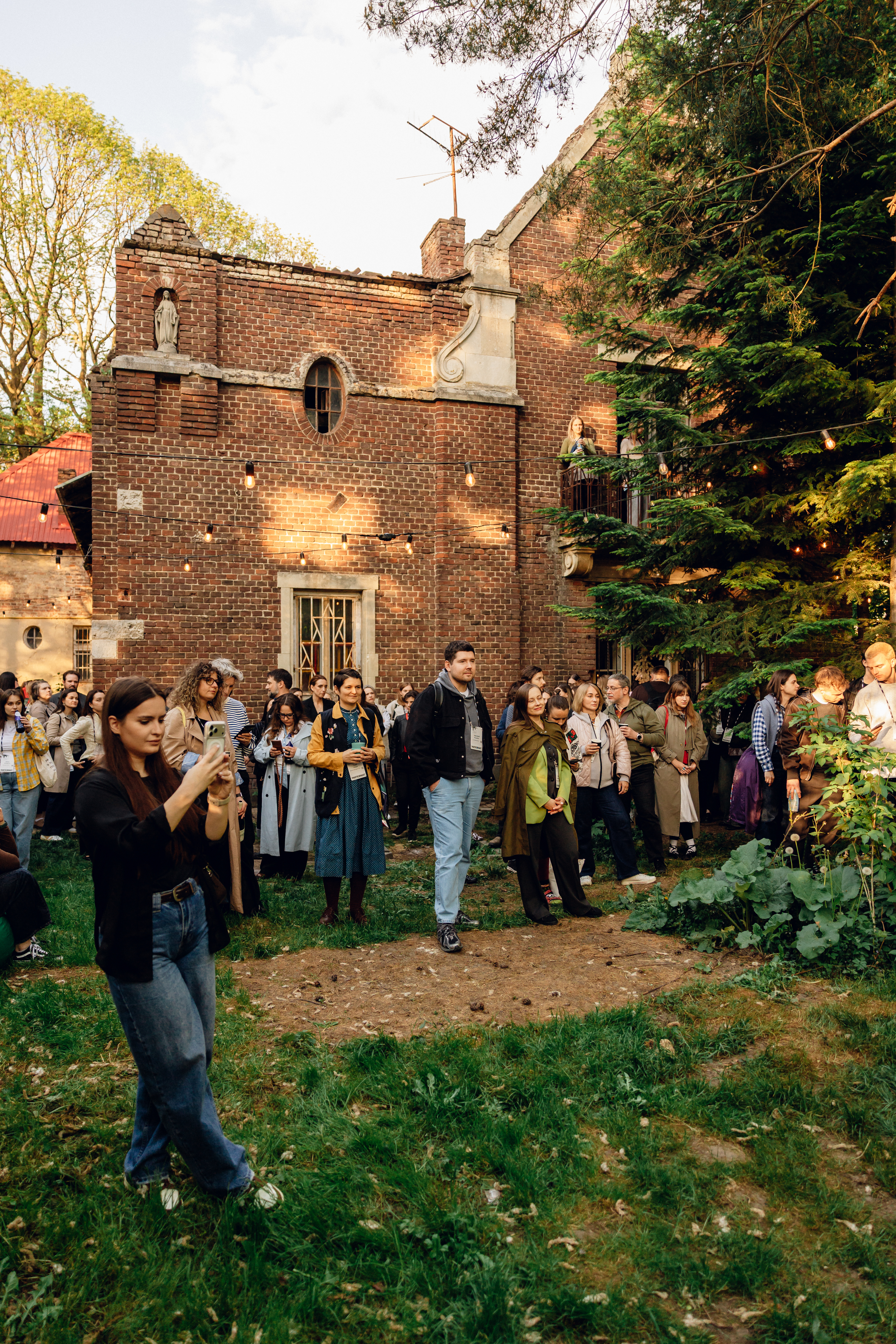
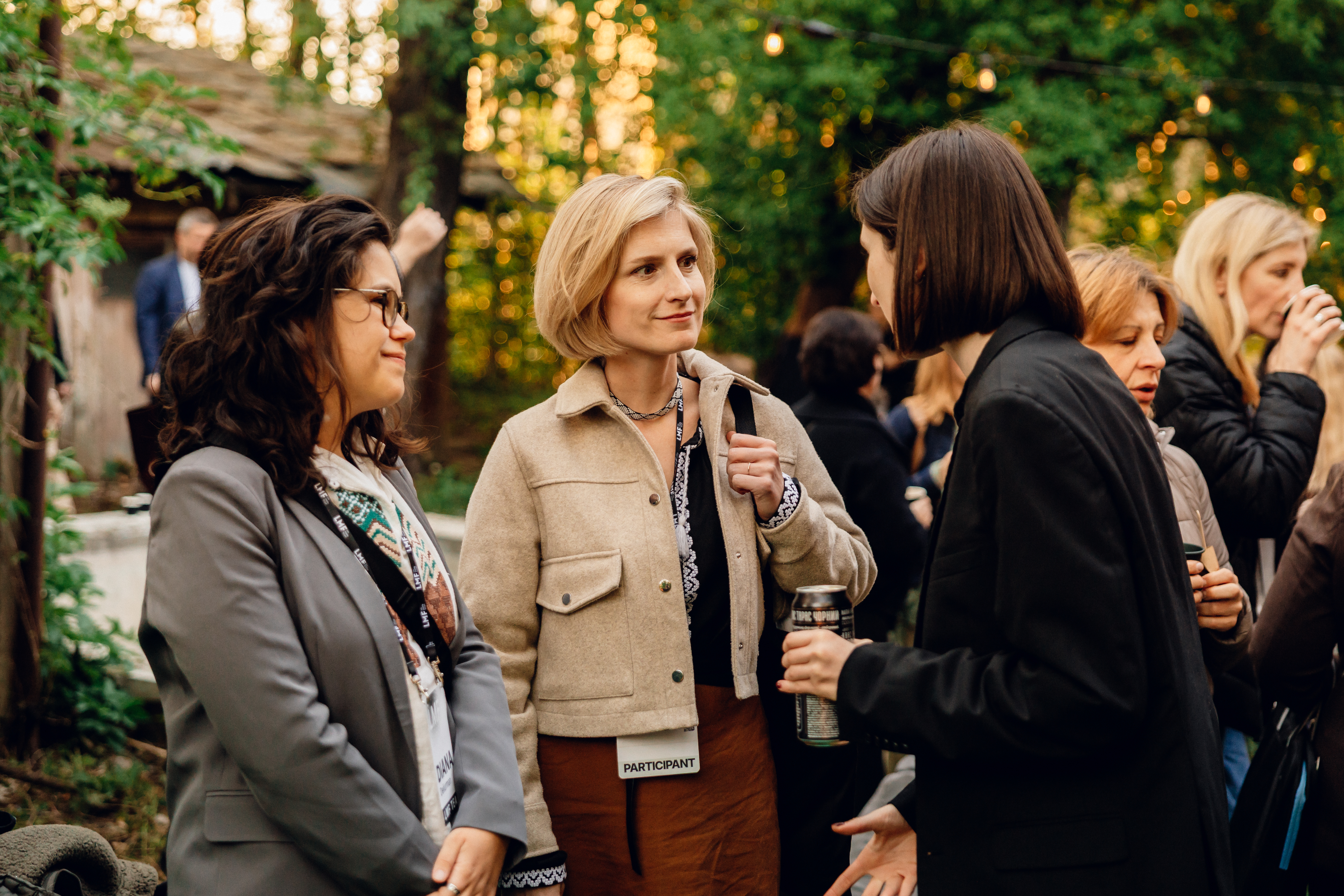
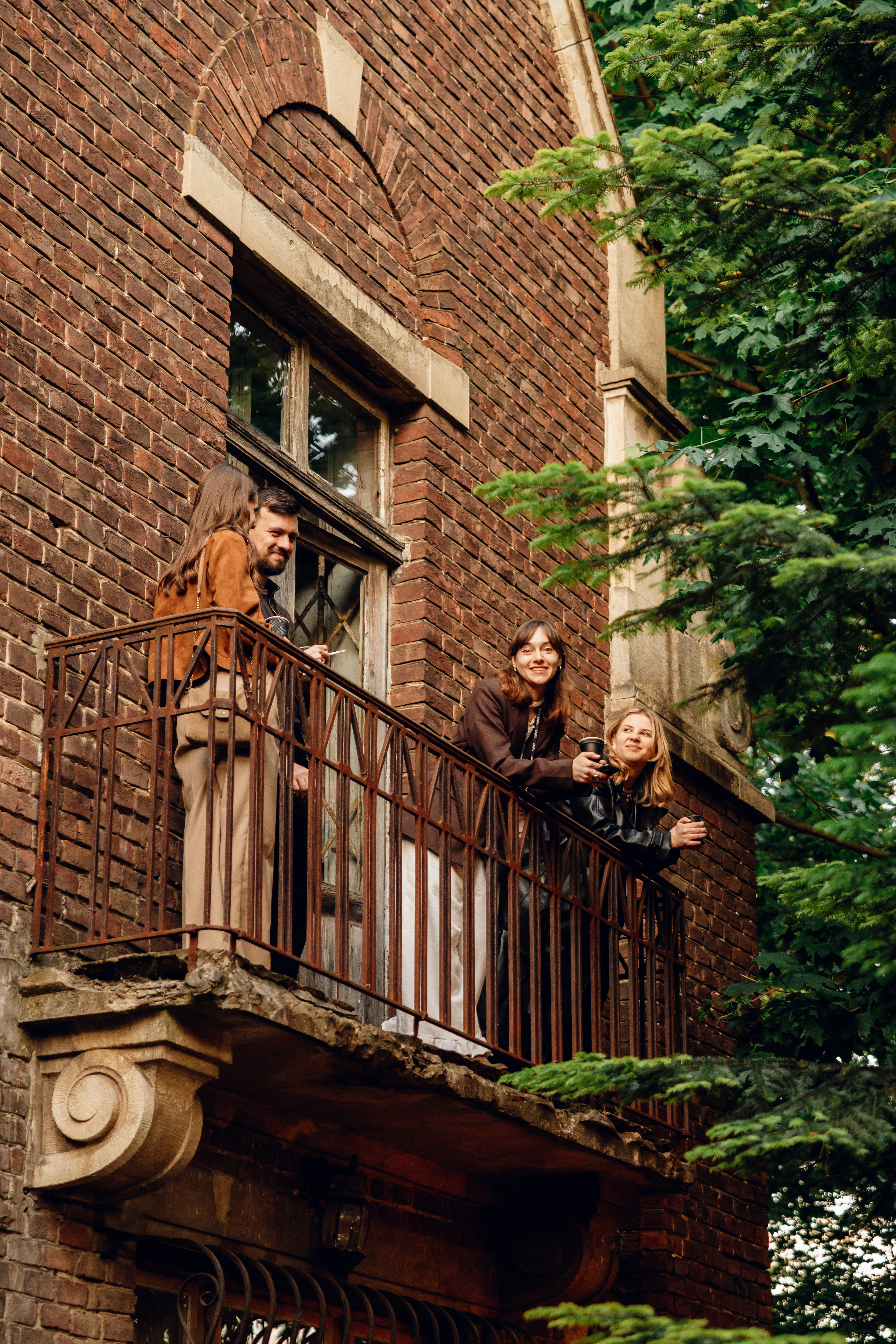
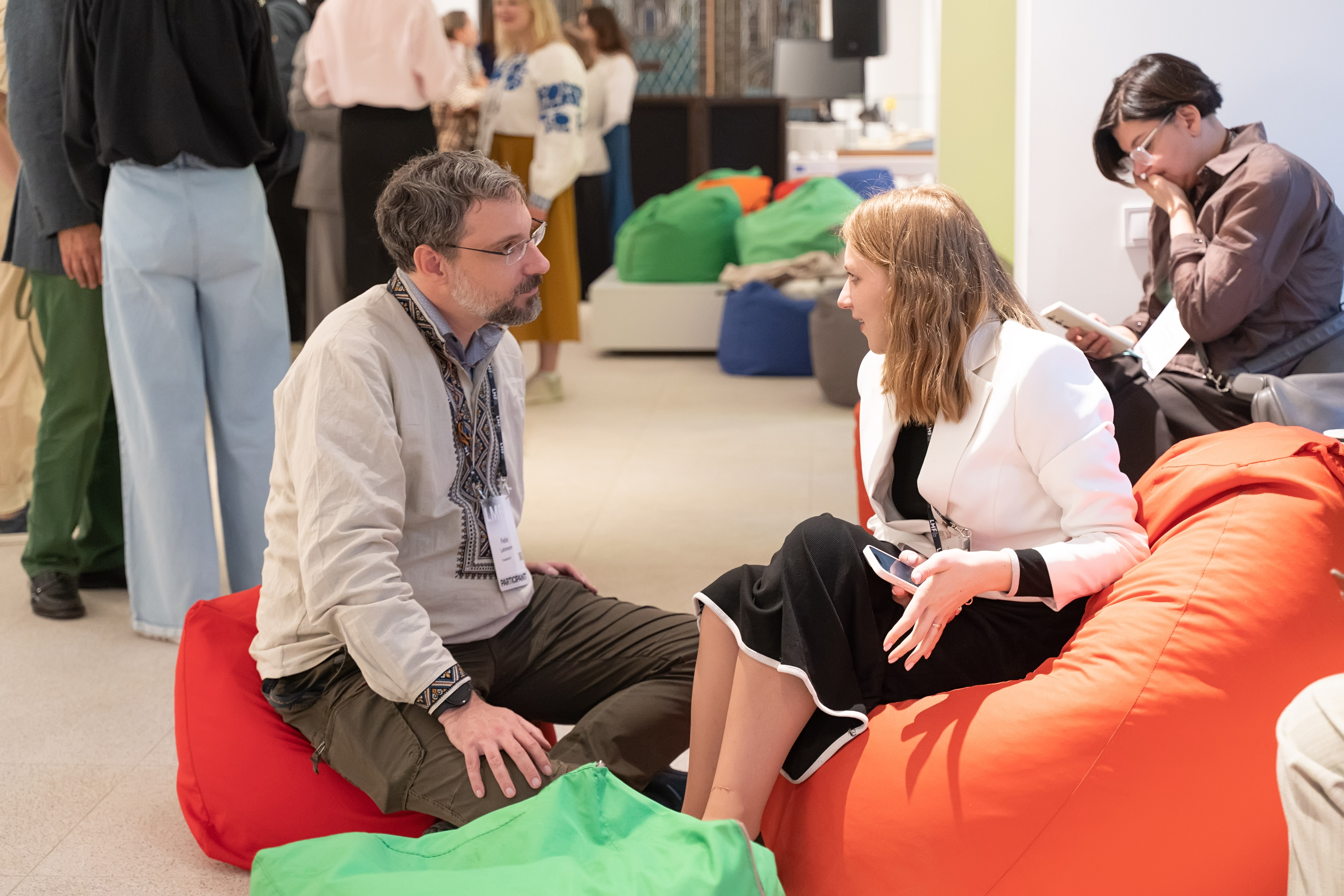
The opening night was dedicated to finding common ground within our diverse identities. It took place at Villa ŁOMNICA — one of Lviv’s most enigmatic early 20th-century villas, built in the style of Romantic Historicism in the historic “Vulka” neighbourhood. Guests shared stories, connected, and danced to a set by DvaTry x Symonenko of the Smyk collective — a force in Ukraine’s ethno-rave scene, which fuses traditional dance tracks with experimental electronics.
Steeped in history and urban lore, the venue gave the evening an immersive feel, pulling guests into another layer of the city where past and present intersect.
The house fits into your pocket, And there it sleeps
— Victoria Amelina
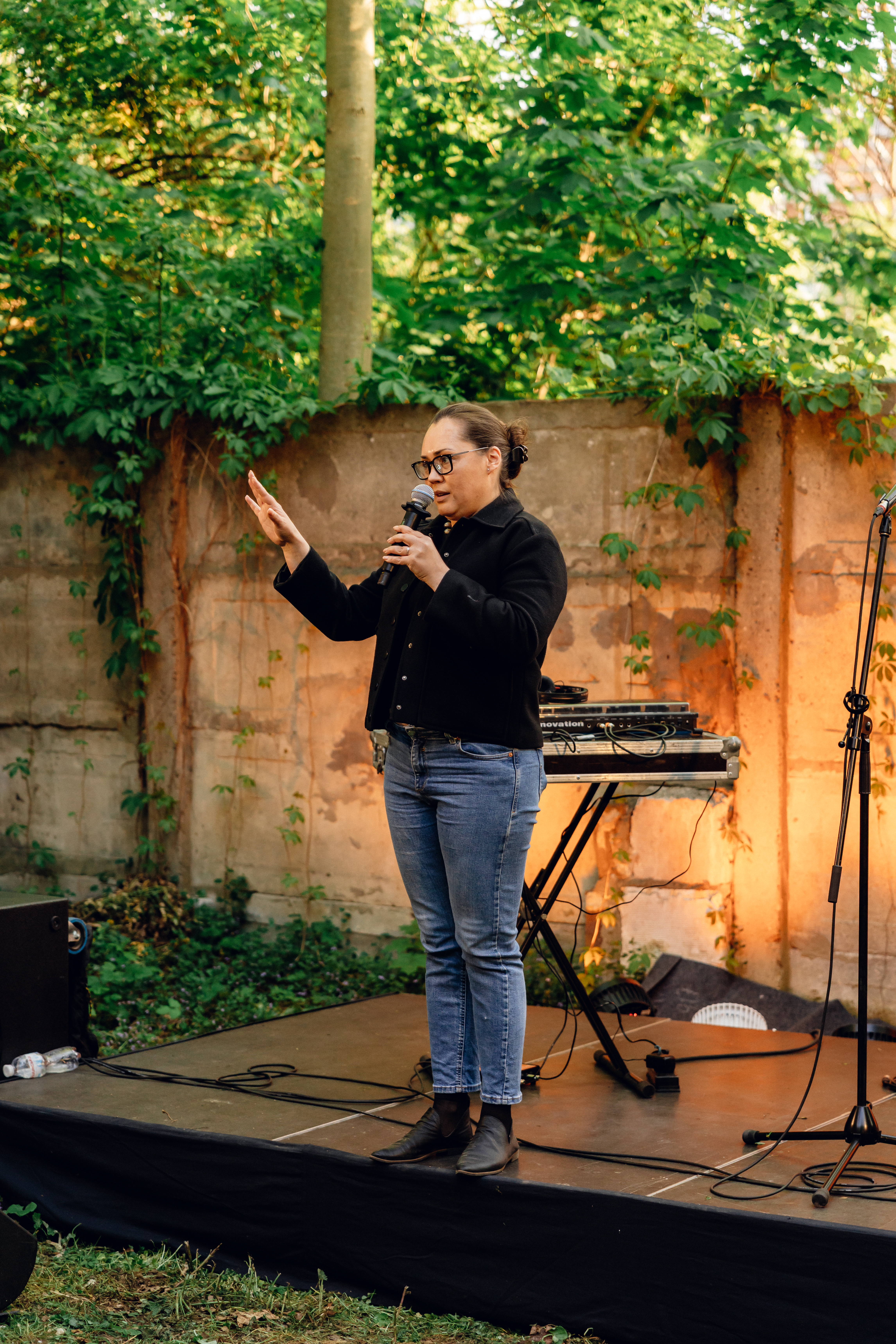
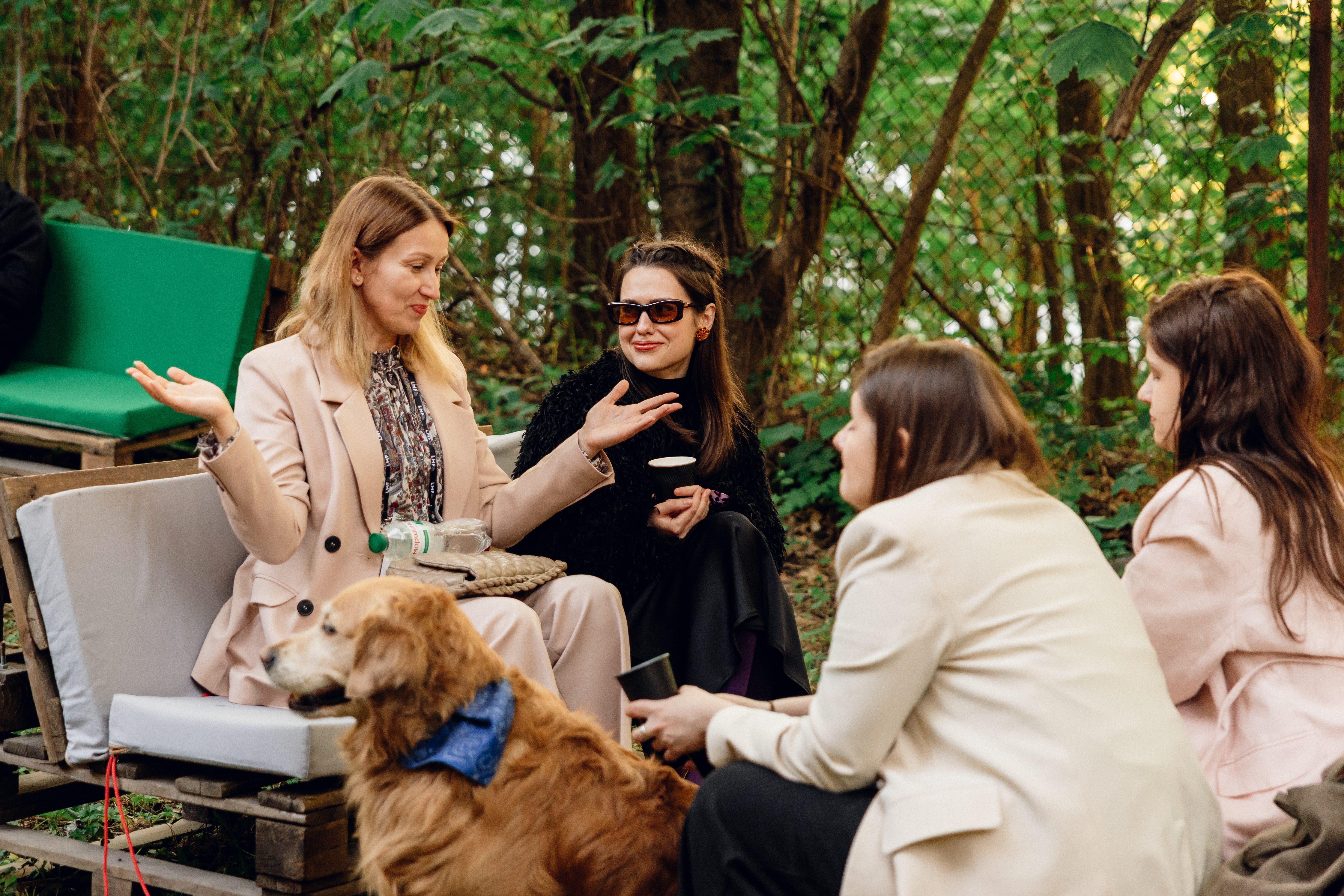
What is home? It’s both a physical and mental space that shapes and nurtures us — a place where we can truly be ourselves. Following our tradition, we invited LMF guests into our home at the KIVSH creative space for an evening to introduce them to the environment and the community where we grow and co-create.
The musical program featured two sets by Grigory Semenchuk. The first, Threshold of Audibility, was built on archival recordings from Lviv Radio and the poetry of 20th-century Ukrainian authors: Yevhen Pluzhnyk, Bohdan-Ihor Antonych, and Mykola Vinhranovskyi. The second, Skovoremix, featured remixes from Serhii Zhadan and Yuriy Gurzhy’s album SKOVORODANCE. Here, Hryhorii Skovoroda’s ideas on happiness, virtue, and self-discovery resonated as if they belonged not to the 18th century, but to our very present day.
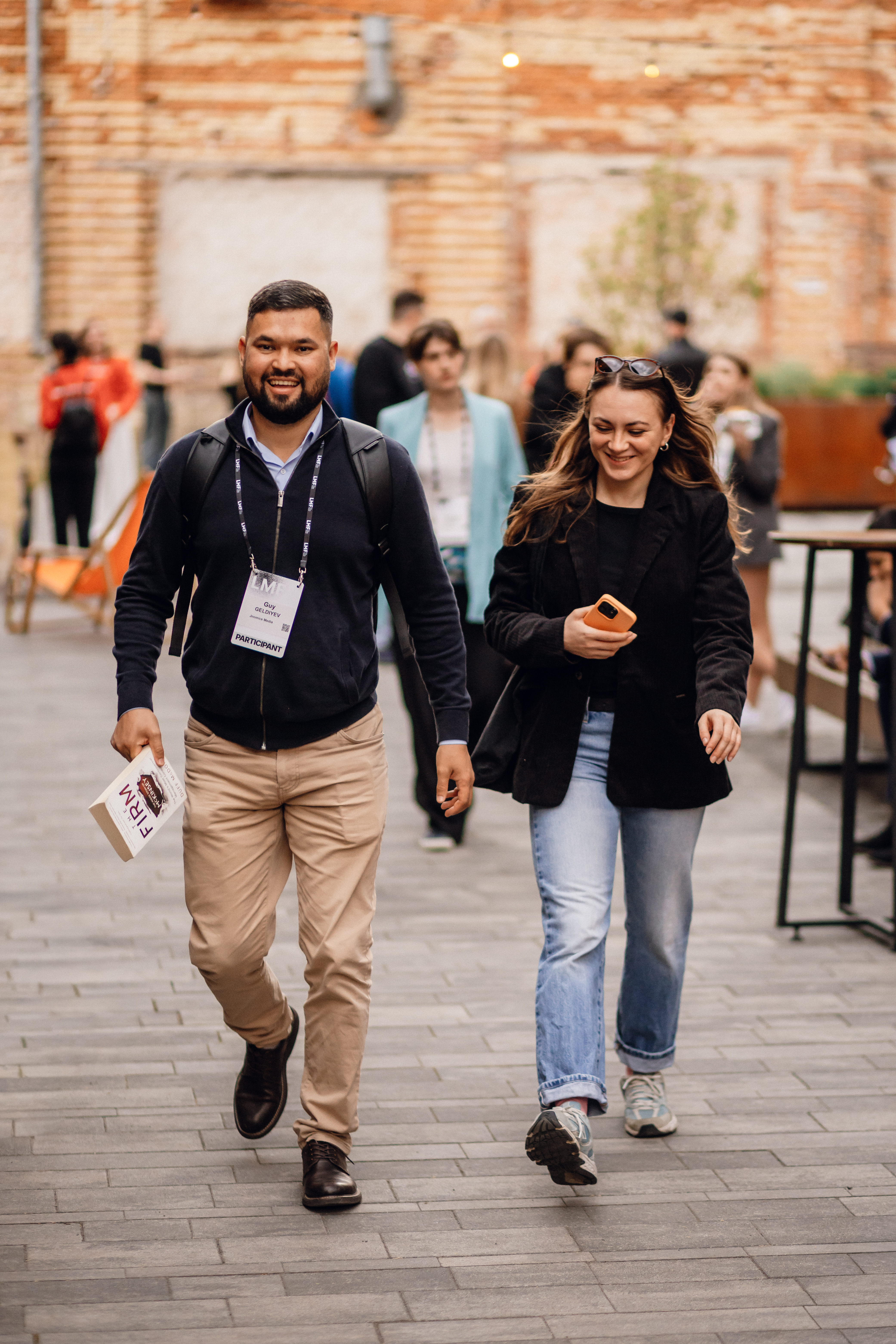
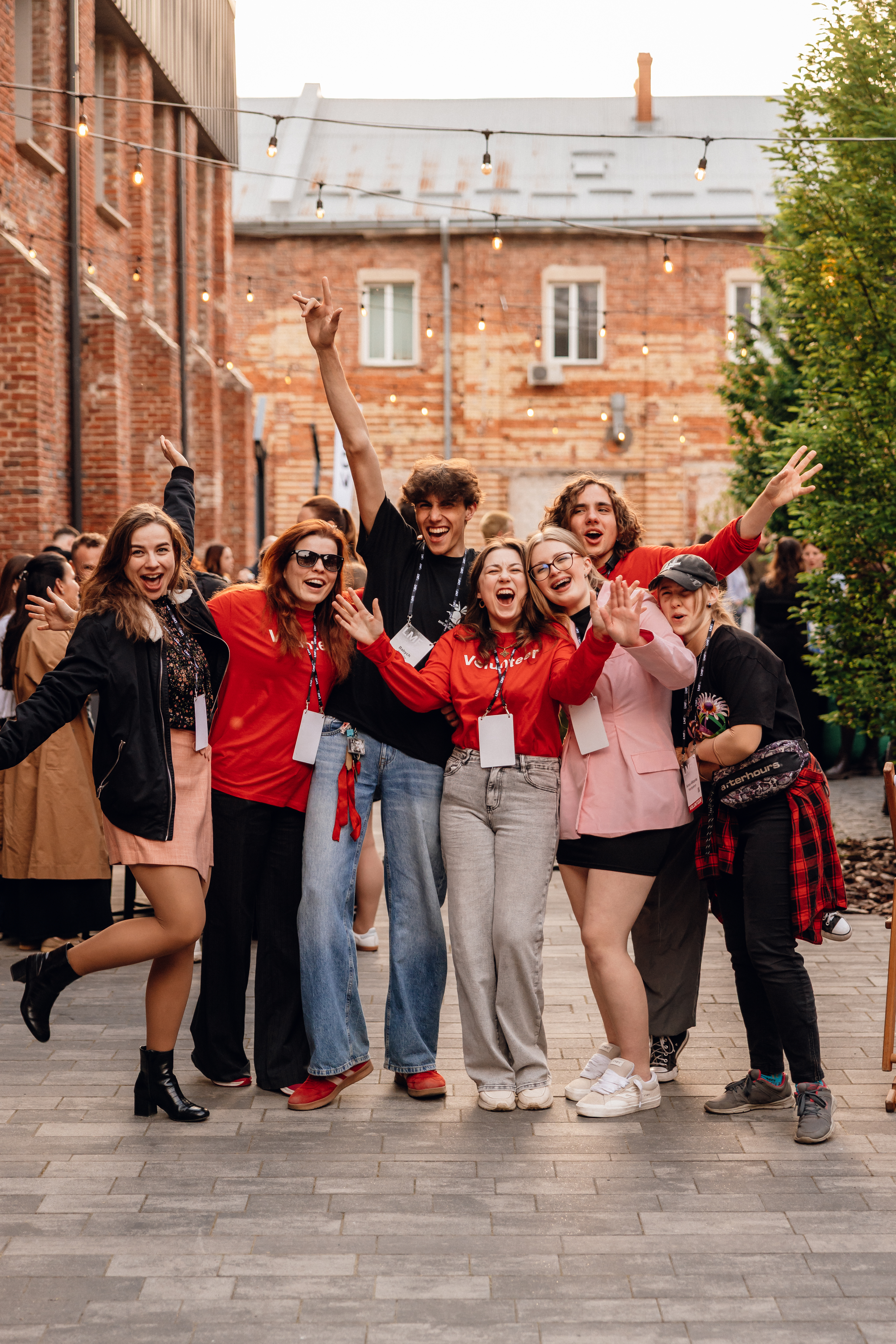
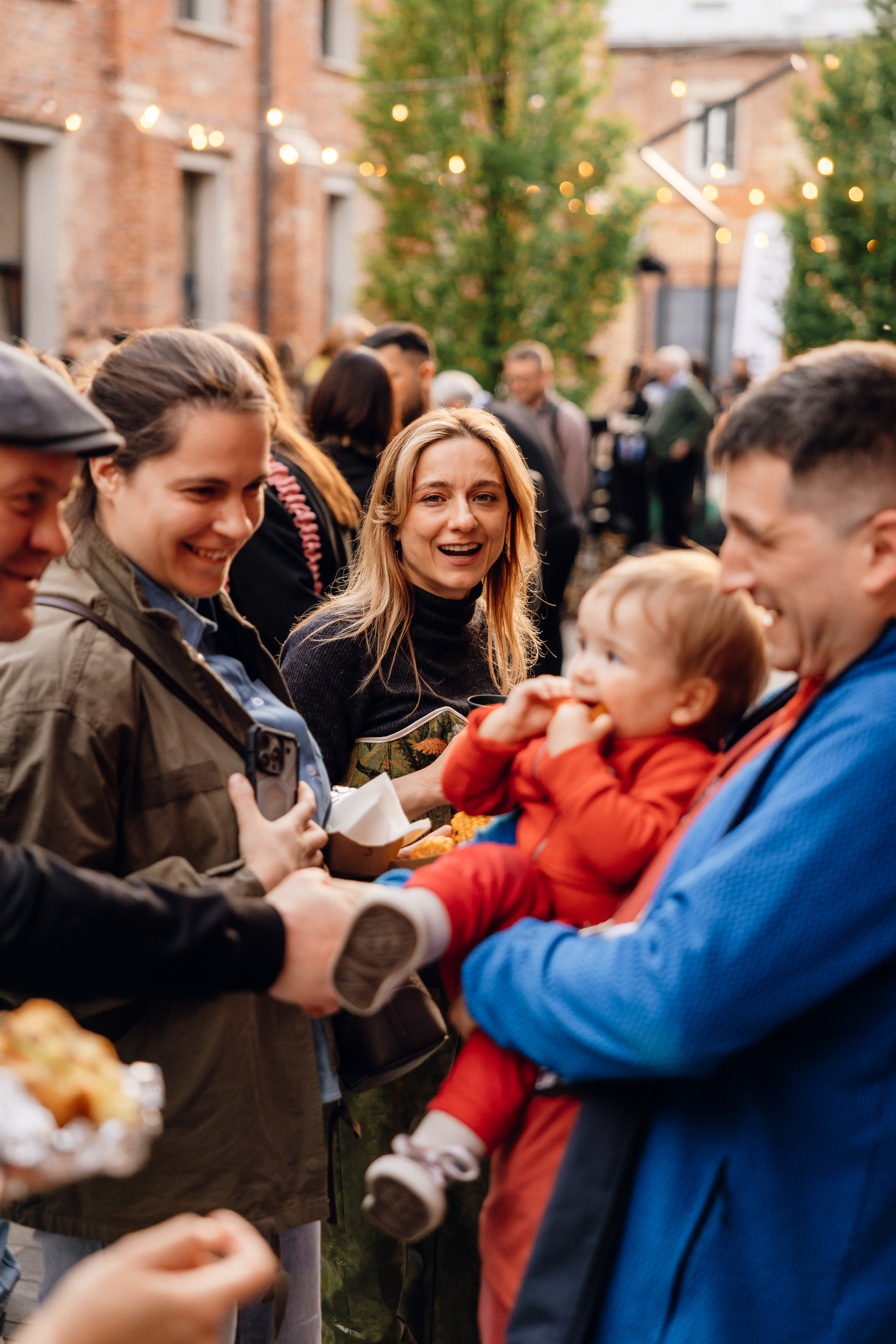
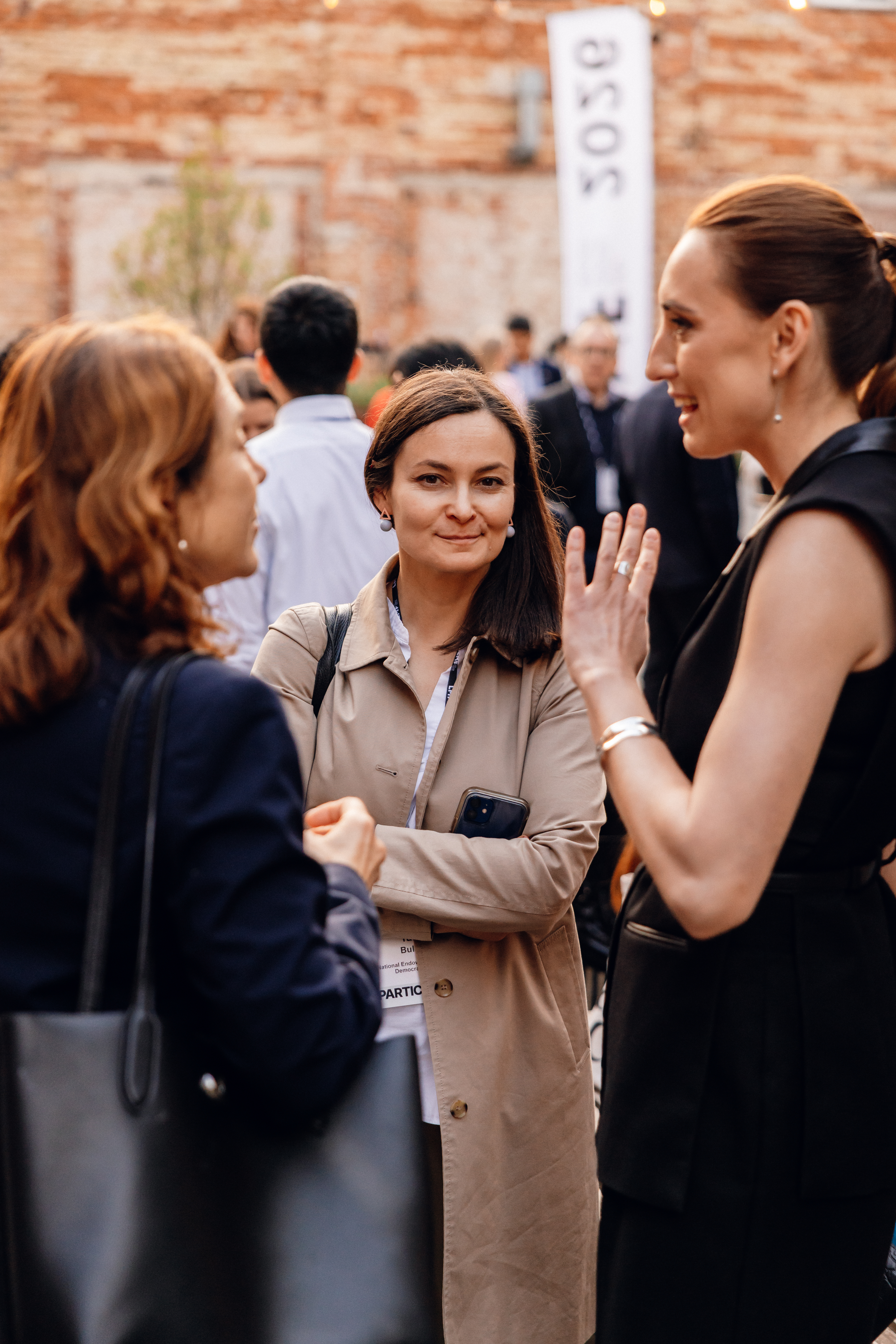
As is tradition, the closing party was the most highly attended and informal event of the forum, where the golden rule applied: “What happens at LMF, stays at LMF.”
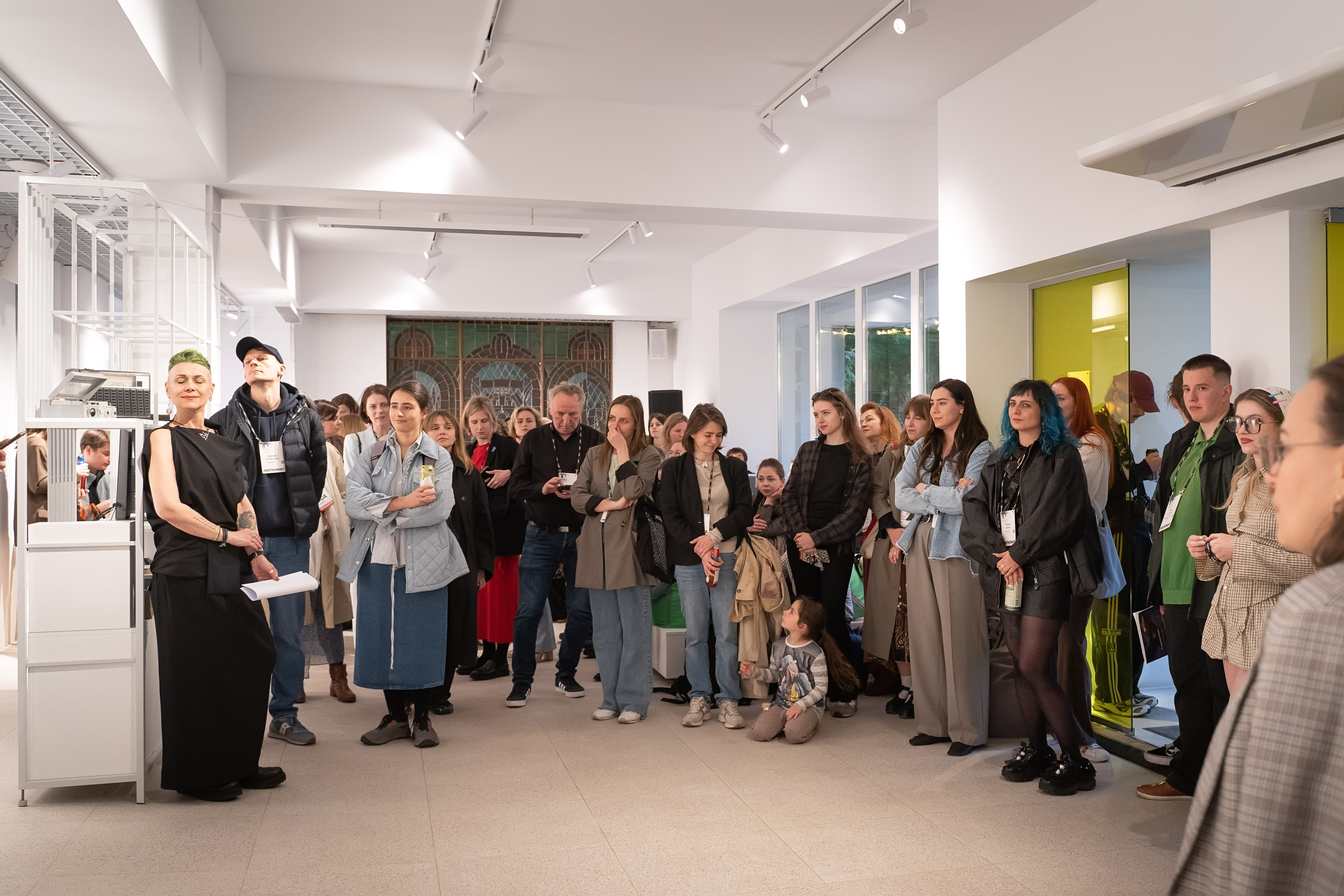
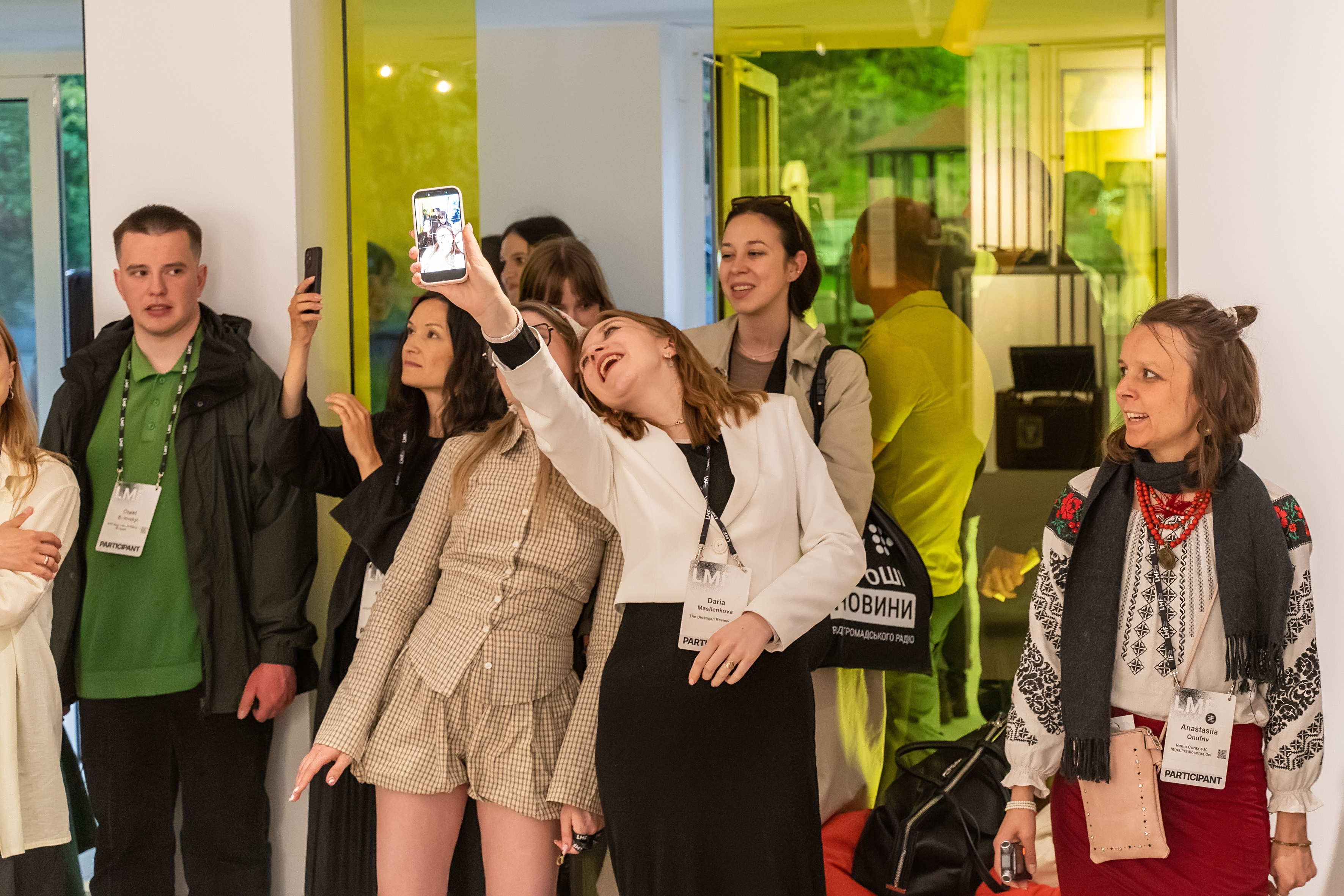
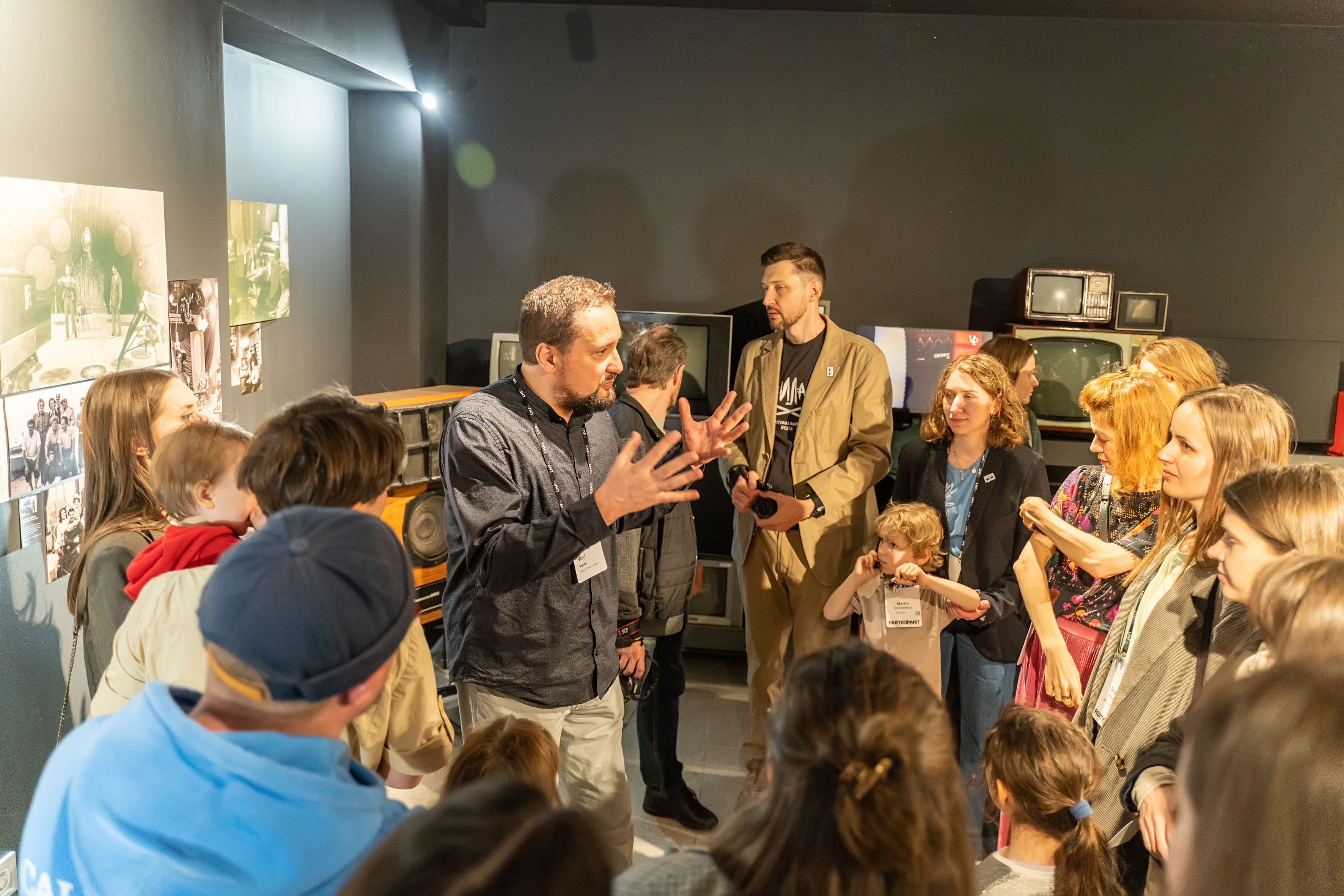
Guests had the chance to peek inside the Broadcasting Museum and explore the hidden archives of the Suspilne Mediateka. They could step into the shoes of a news anchor in the newly renovated TV studio and see the journey Ukraine’s public broadcaster has taken from its inception to the present day, mirroring the history of the country itself.
We hope this final evening of LMF marked the beginning of many great ideas and lasting friendships.
__________________________________________________
LMF 2026 is organized by the team of the NGO Lviv Media Forum. We would like to express our gratitude to our partners for supporting the conference.
Strategic partners: Ministry of Foreign Affairs Republic of China (Taiwan), Radio Taiwan International.
Event Partners: DW Akademie, Deutsche Welle, funded by the European Union and co-funded by BMZ; Government of Canada, The German Marshall Fund of the United States (GMF), Embassy of Sweden, IMS (International Media Support).
Allies & Contributing Partners: Partnership Fund for a Resilient Ukraine (PFRU), The Fritt Ord Foundation, National Agency on Corruption Prevention, the Federal Foreign Office of Germany, European Centre for Press and Media Freedom (ECPMF), UNESCO and the People of Japan, ARTICLE 19, INDEX: Institute for Documentation and Exchange, Jam Factory Art Center, Donbas Media Forum, Coalition of culture actors, LEMKIN Society, The Reckoning Project, EU4Recovery, Recovery Window, George Gongadze Prize, Transatlantic Dialogue Center, Public Interest Journalism Lab, RITO Group, Krayna, Dukachi.
Media Partners: Ukrainer, The Kyiv Independent, Deník N, Coda Story, Aftenposten, United24 Media, Euromaidan Press, Ukrainska Pravda, Rubryka, Hromadske radio, The Ukrainians, 24 Channel, Suspilne, Suspilne Culture, Babel, The Gaze, Nakypilo, Seznam Zprávy.
Digital Partners: n-ost, The Fix, UA TV, Silicon Curtain, ShoTam, ua.news, Live Media Hub, Craft, Radio Nakypilo, Nakypilo Osvita, ZEG Festival, UATV English.
Cultural Partners: Lvivska Poshtа, LiRoom, Memorial Platform.