“Drones have become a tool of censorship for Russia”: A representative of the Lviv Media Forum at the UN on new threats to journalists
On June 22–23, Diana Deliurman—Global Communications Manager at the Lviv Media Forum and a journalist—participated in a series of UN-related events in Geneva. These included a workshop focused on developing recommendations to strengthen the protection of journalists in conflict zones, as well as a meeting at the UK Mission dedicated to the challenges faced by female reporters during wartime.
Legal standards for the protection of journalists
Irene Khan, the UN Special Rapporteur on freedom of opinion and expression, spent six months developing the recommendations to strengthen the protection of journalists on the front lines.
According to Khan, thoroughly analyzing relevant international legal standards is essential to intensifying efforts to protect media workers and combat impunity. Consequently, the new recommendations are firmly rooted in International Humanitarian Law and International Human Rights Law.
During the final session of the workshop led by Irene Khan, experts discussed ways to implement these guidelines. Diana Deliurman shared practical examples already in place in Ukraine that are actively helping to save lives:
- A transparent accreditation process administered by the Ukrainian Ministry of Defense;
- Press officers accompanying journalists on the front lines;
- An extensive network of safety training and psychological support programs.
The discussion drew a diverse group of journalists, human rights defenders, academics, and policymakers. Notably, representatives from UNESCO, the UN, the OSCE, the Geneva Graduate Institute, the International Red Cross and Red Crescent Movement, the European Centre for Press and Media Freedom, the Committee to Protect Journalists, and Al Jazeera joined the conversation.
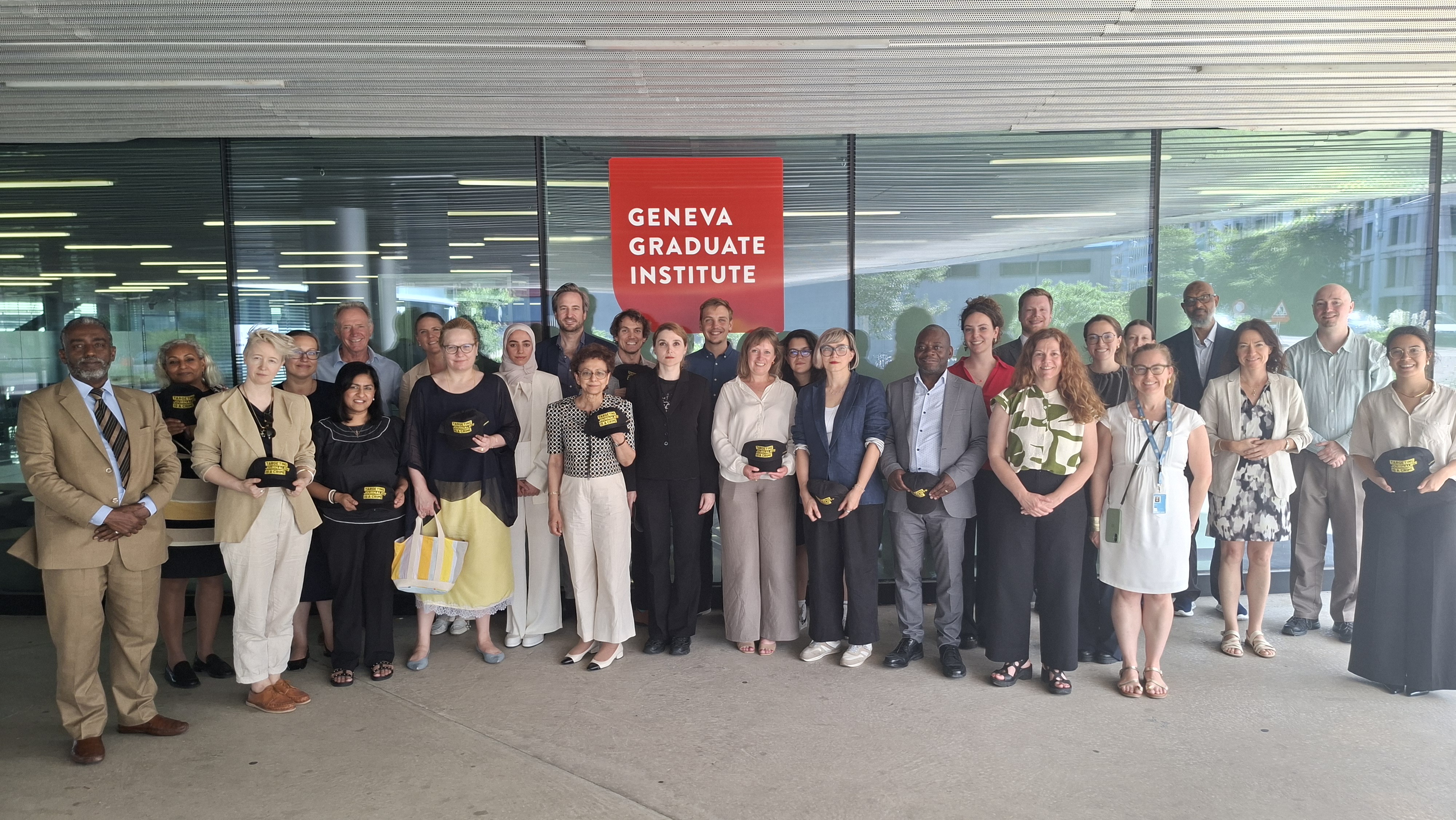
Speaking at an official reception for diplomats, Diana Deliurman issued a warning to the international community: Russian wartime tactics pose a global threat to freedom of speech.
“This isn’t just Ukraine’s problem. Russia is testing new, dangerous technologies on our territory. What you see in Ukraine today will become a reality for any country facing war or crisis tomorrow,” Diana emphasized.
A representative of the Lviv Media Forum emphasized that drones have become an effective tool for Russia to censor the truth. The future of war journalism is under threat: due to "killzones," it is sometimes physically impossible to conduct traditional reporting on the front lines. Most alarming, however, is that Russia is deliberately targeting and killing journalists with drones, silencing their voices forever.
During the event, Diana called on those present to honor the memory of three colleagues killed last year in strikes by Russian UAVs: Anthony Lallican, a photojournalist from France; Olena Gubanova, a Ukrainian war correspondent; and Yevgen Karmazin, a Ukrainian cameraman.
Another key event in Geneva was a discussion with Eleanor Sanders, the UK’s Ambassador for Human Rights, and Katja Pehrman, Finland’s Ambassador for Human Rights. The participants discussed the specific challenges and dangers faced by women in the media while covering the war.
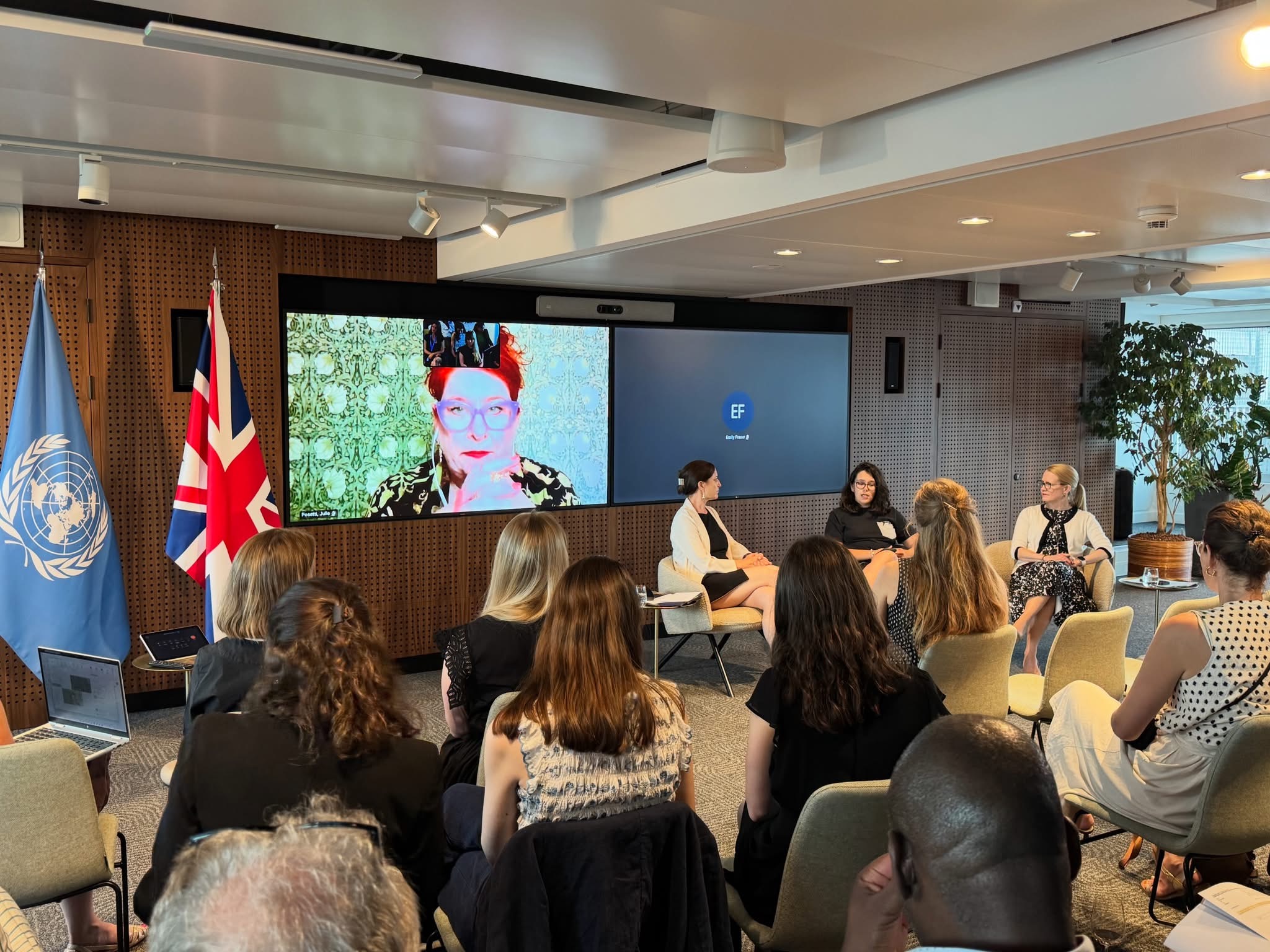
Diana Deliurman provided a more detailed description of the current realities of working on the Ukrainian front:
“Working as a war correspondent is becoming increasingly difficult because of the drone warfare. Today, even producing ordinary, non-exclusive material requires an enormous amount of time, effort, and resources—and all of this comes with extremely high security risks.”
In response to a question from Katja Pehrman about what international partners can do to support Ukrainian women in the media, Diana highlighted three key principles: listen to journalists, be adaptable, and respond as quickly as possible.
“I remember the words I heard from the commander of one of the battalions: ‘If we want to survive, we have to keep pace with Russia. To win, we have to be a few steps ahead.’ The same applies to the issue of protecting journalists. We must prepare for future threats and take proactive measures, rather than simply reacting to the consequences.”