LMF 2026
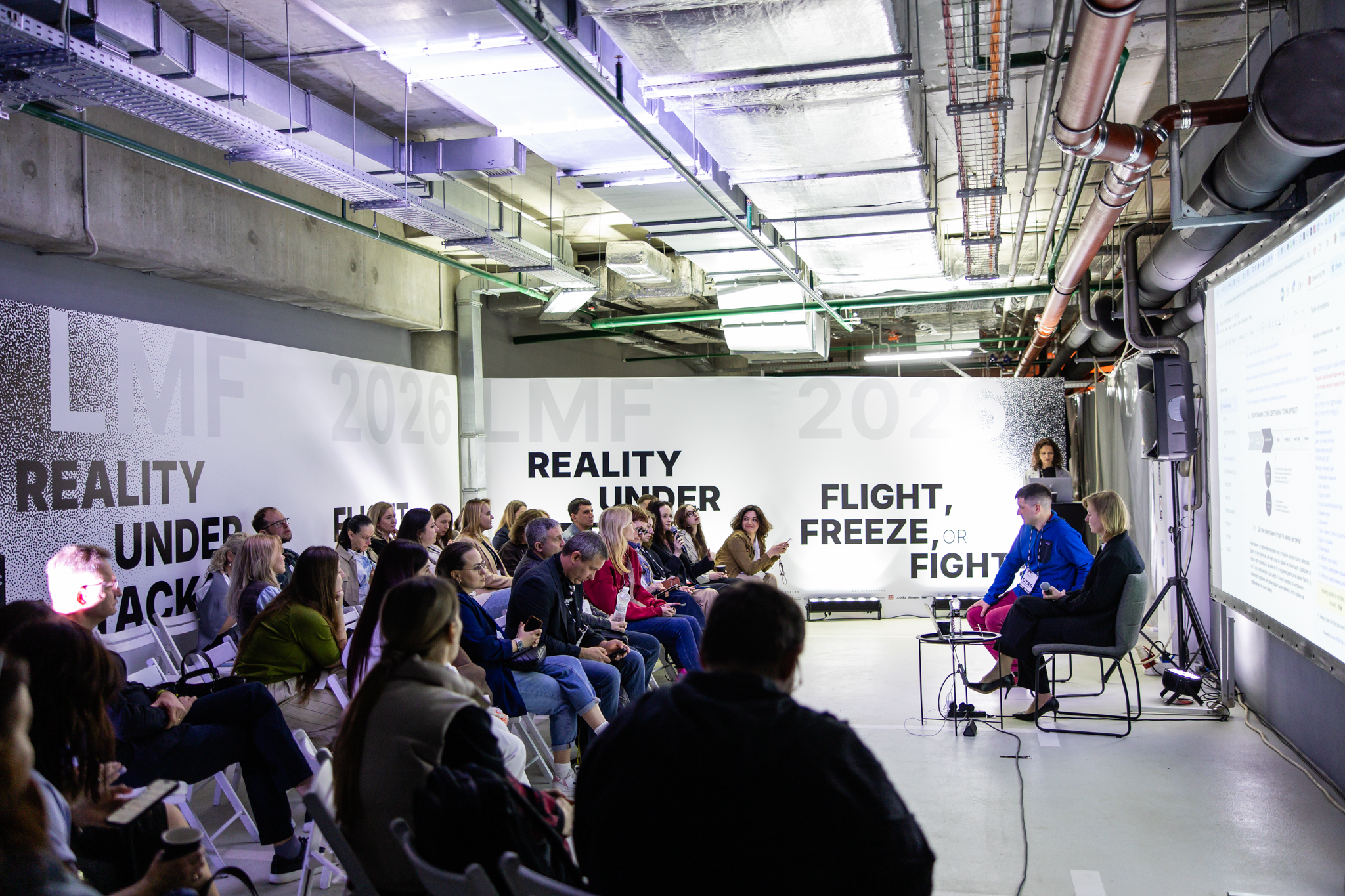
The 12th international LMF 2026 conference took place in Lviv from May 14 to 16. This year’s central theme was “Reality Under Attack: Flight, Freeze, or Fight?”
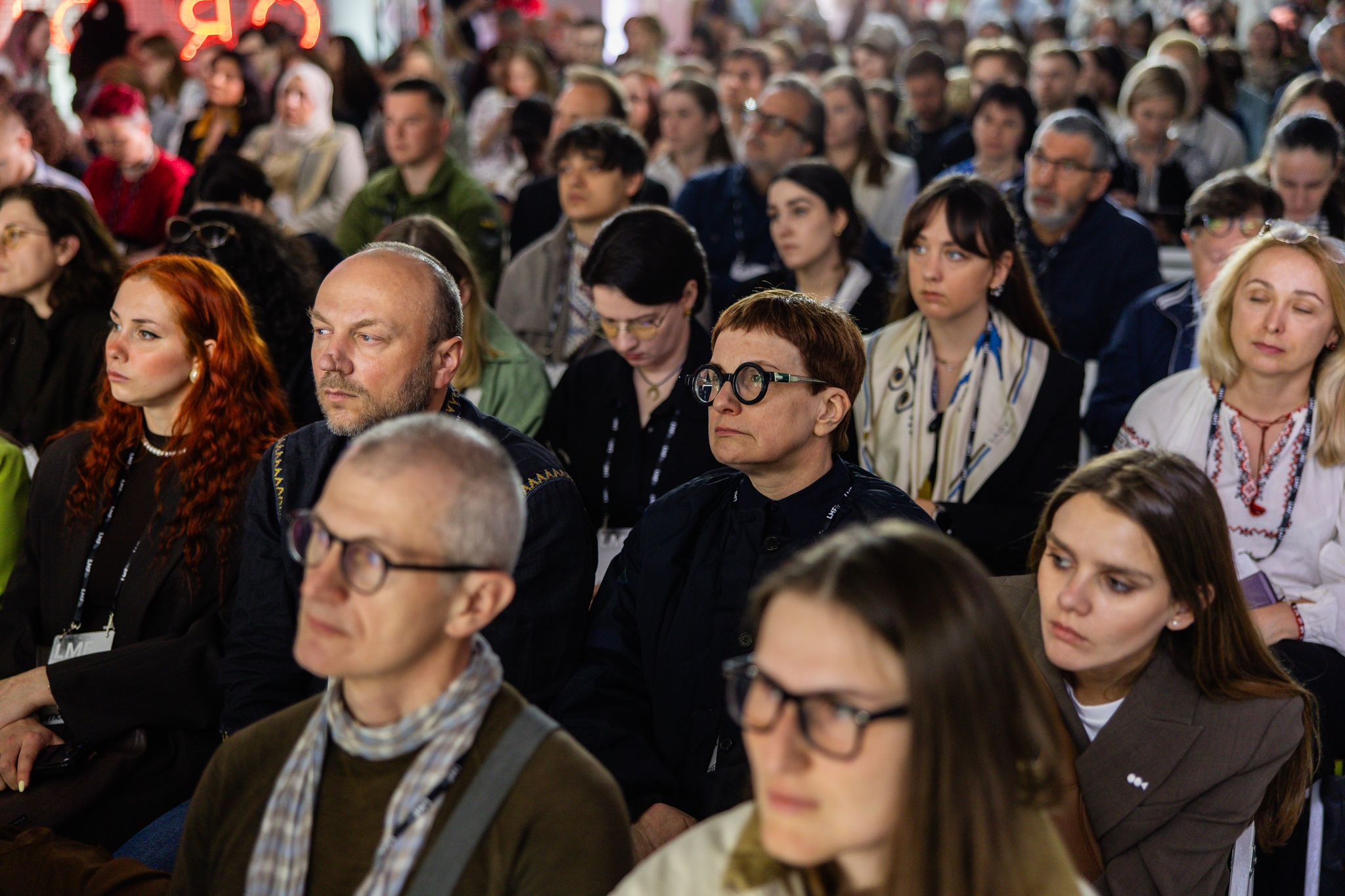
The conference drew over 700 participants from 36 countries. Attendees included Ukrainian and international media professionals working in a global environment, public intellectuals, researchers, policymakers, and representatives from civil society and international organizations.
What was on the agenda at LMF 2026?
“The enemy of democracy isn’t just a list of dictators’ names. It is also inert citizens who have lost their moral compass — and their societies, which embody a collective lack of political will. These are people who have allowed their minds, both individual and collective, to fall asleep just to avoid the truth. The illusion of safety lulls us. But we must not let ourselves fall asleep. It is time to turn on the lights,” declared Ola Myrovych, head of the Lviv Media Forum, during the opening ceremony.
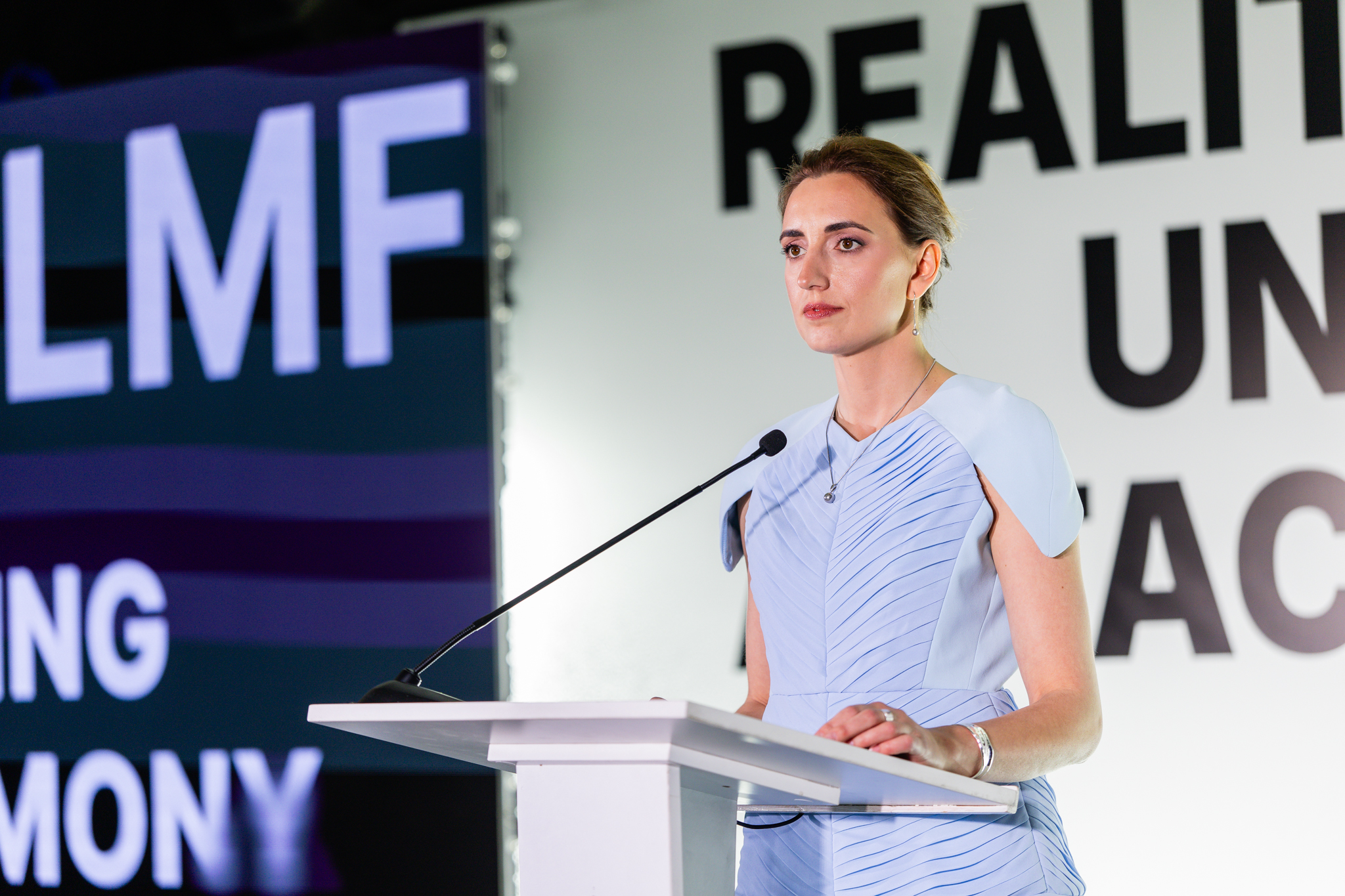
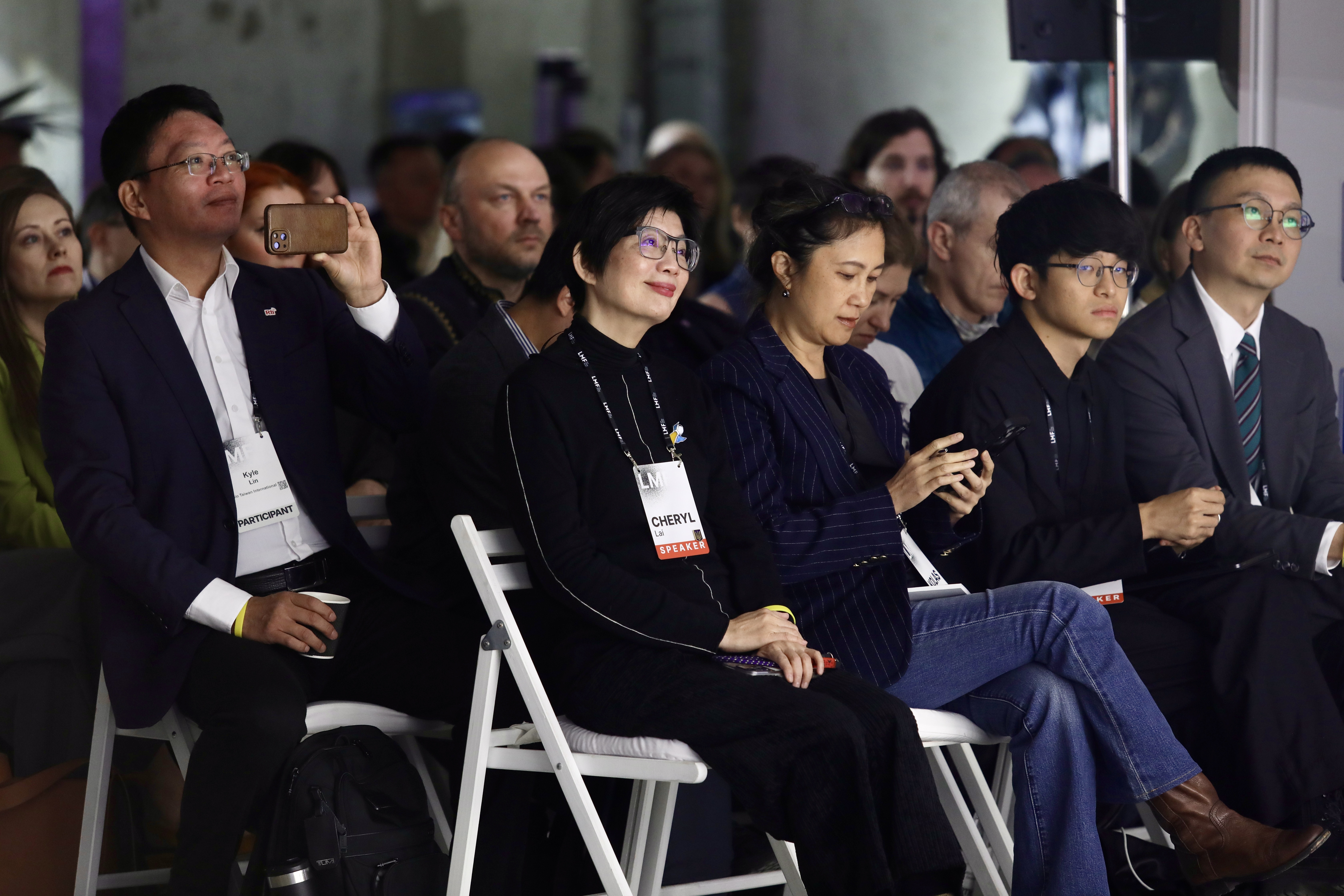
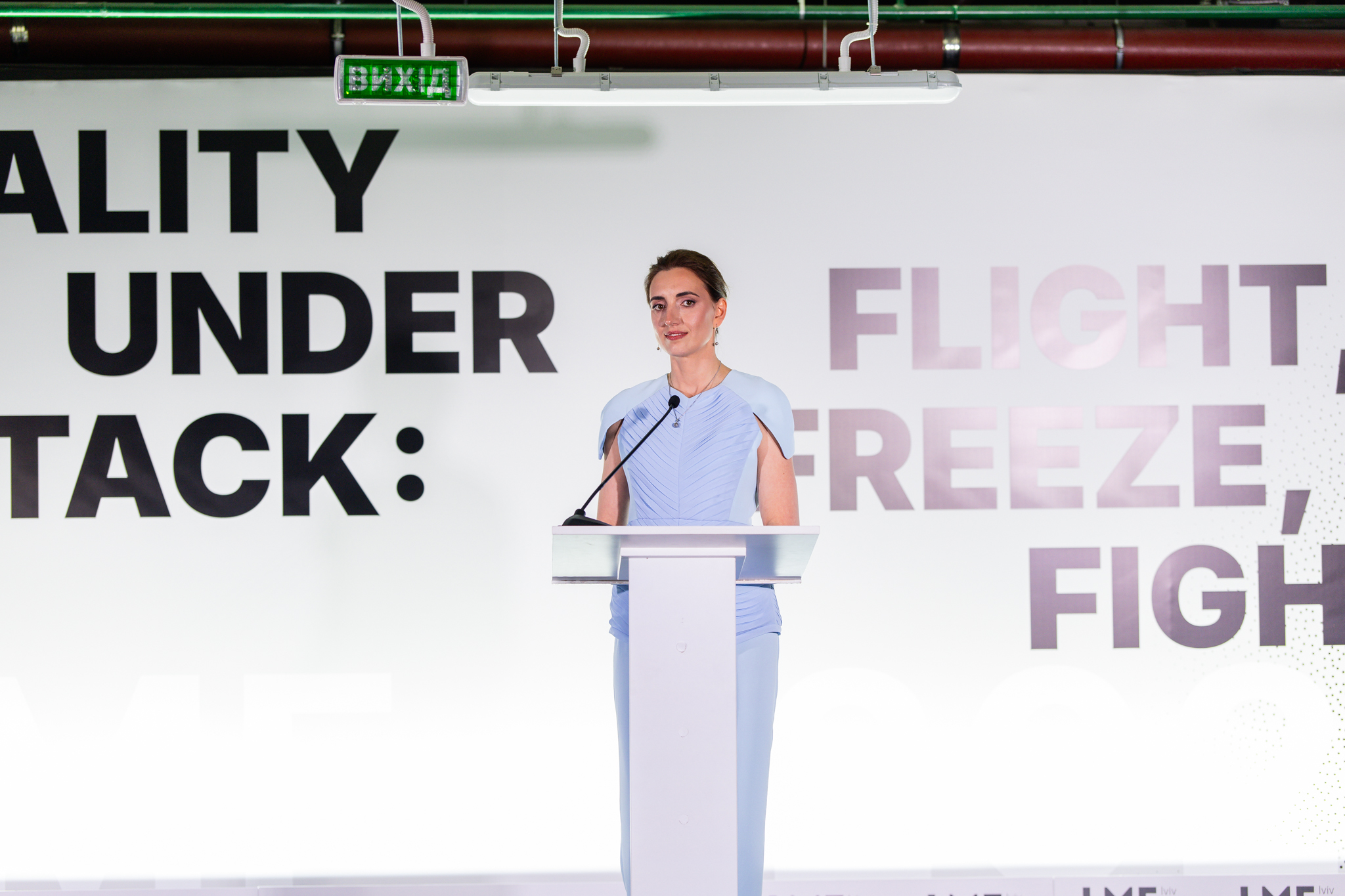
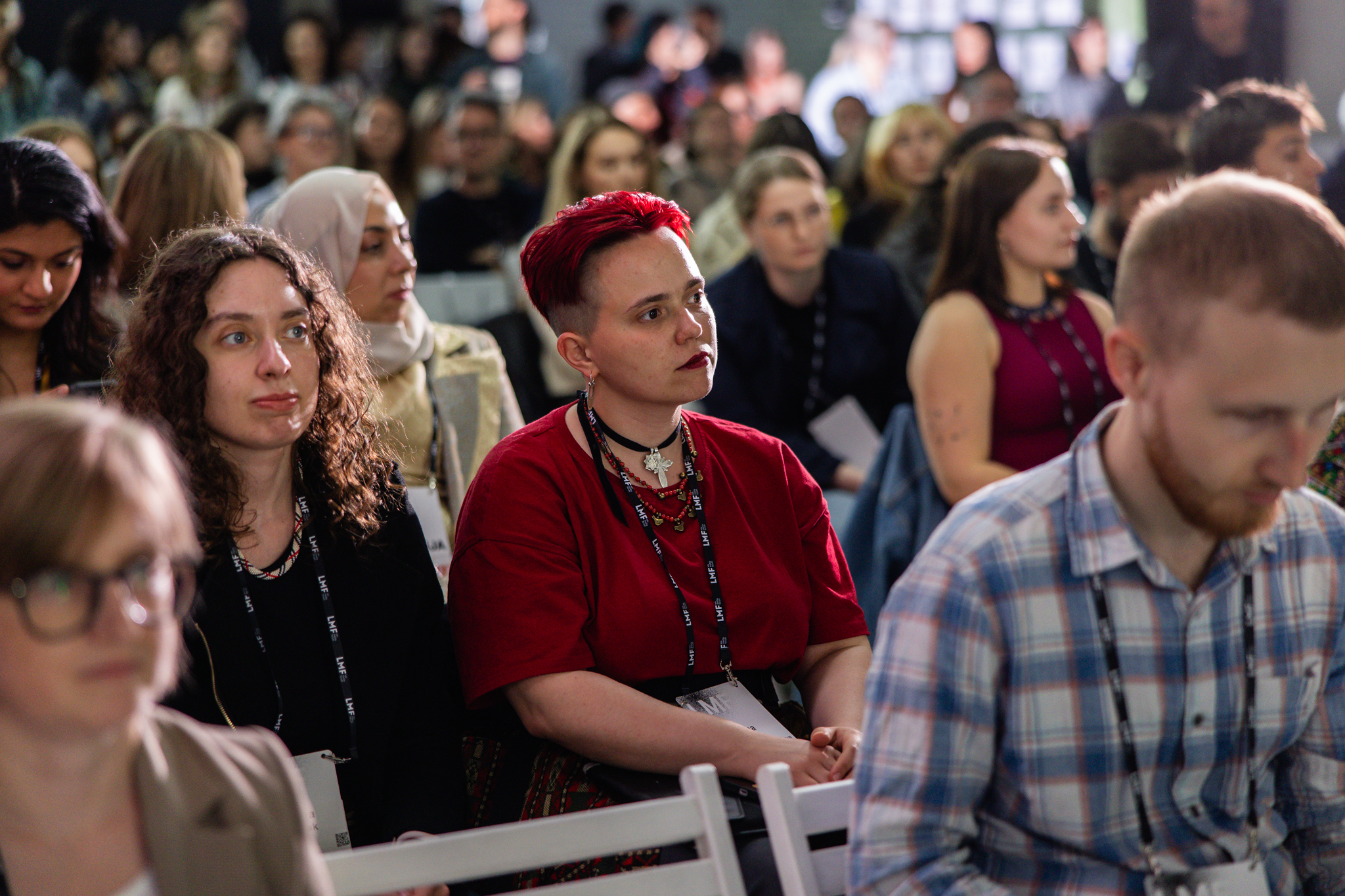
As has become tradition, this year’s program was organized into two streams: Frankly Spoken and Smartly Done. The conference featured over 20 events with more than 80 speakers and moderators, including panel discussions, public conversations, interviews, and a live podcast recording.
- Frankly Spoken was the big-picture stream, covering the challenges facing media and democracy in a global context.
- Smartly Done was the practical stream, dedicated to the daily work and challenges of Ukrainian and international media and communications professionals.
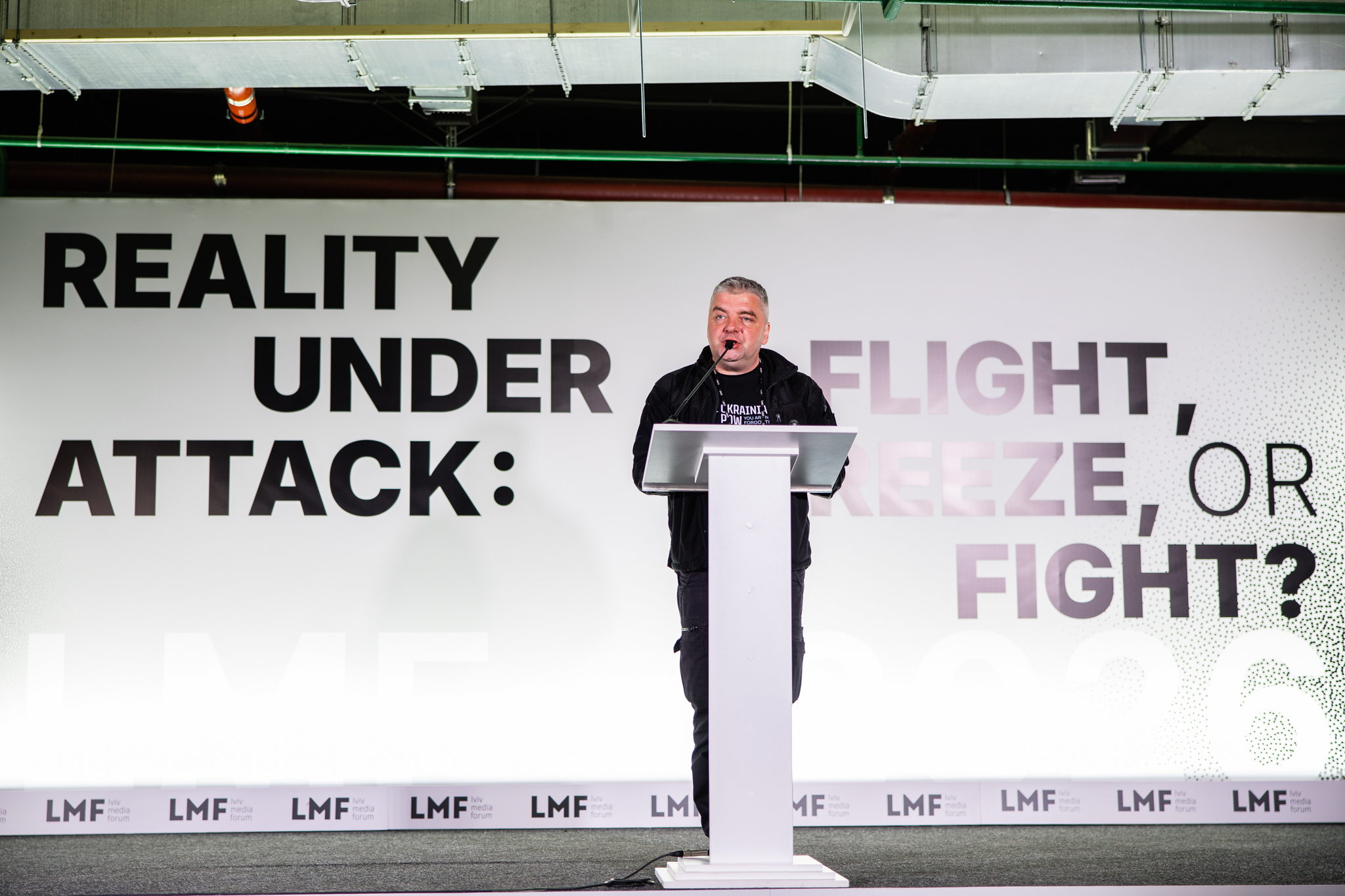
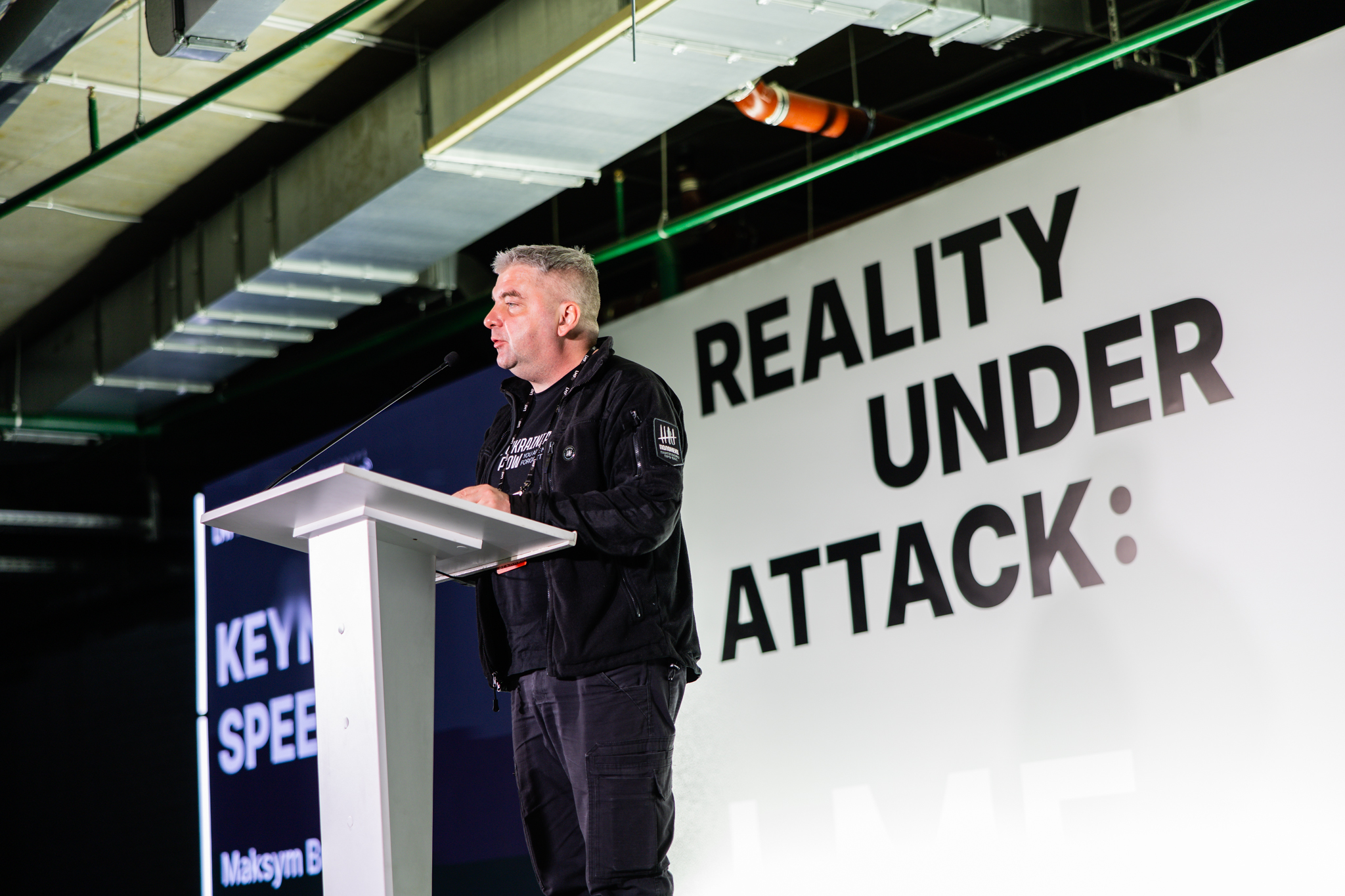
The opening keynote address was delivered by Maksym Butkevych — a Ukrainian human rights defender, journalist, activist, and serviceman.
In his speech, he declared:
“We shape each other’s reality through our actions or inaction, consciously or not, every day, every hour, and every minute. Thus, our shared reality is not just an intertwining of our smaller, everyday worlds, but a tapestry of our interactions, gestures of support or dismissal, mutual instrumentalization or mutual enrichment. Co-creating each other’s reality, when we are conscious of it, inevitably leads us to another crucial realization — responsibility,” the keynote speaker emphasized.
The LMF 2026 program also featured other key conversations.
“Getting off the Sedative: Can Societies Handle the Truth in the Age of Crisis?”
The discussion featured Kolas Yotaka, former spokesperson for the Office of the President of the Republic of China (Taiwan) and the Cabinet of Ministers; Solvita Denisa-Liepniece, researcher and Head of the Strategic Communications and Coordination Department of the State Chancellery of Latvia; and Harun Karčić, a Bosnian journalist, analyst, and former Executive Producer at Al Jazeera Balkans.
The conversation was moderated by Valerii Pekar, activist, entrepreneur, and lecturer at KMBS and UCU business schools.
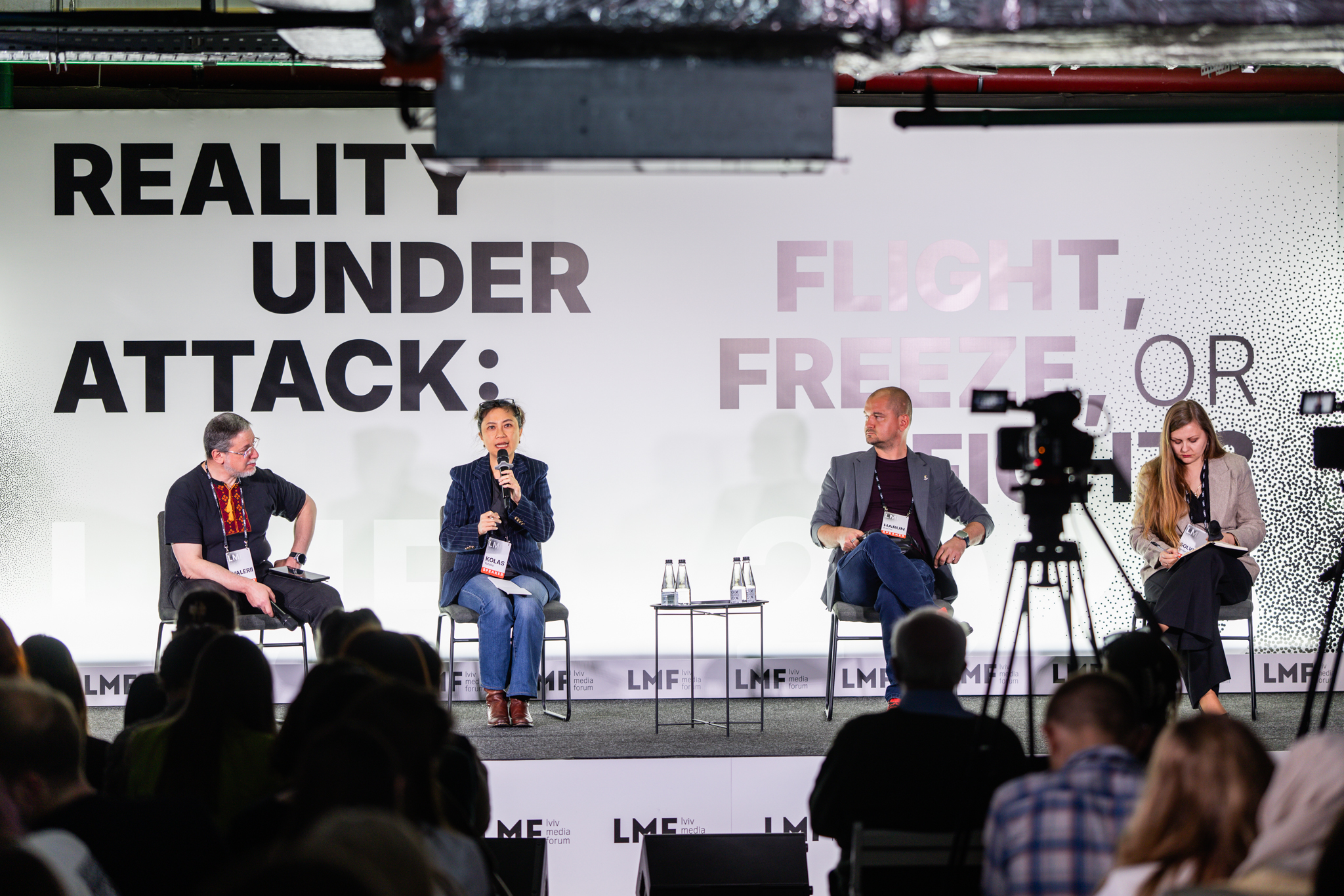
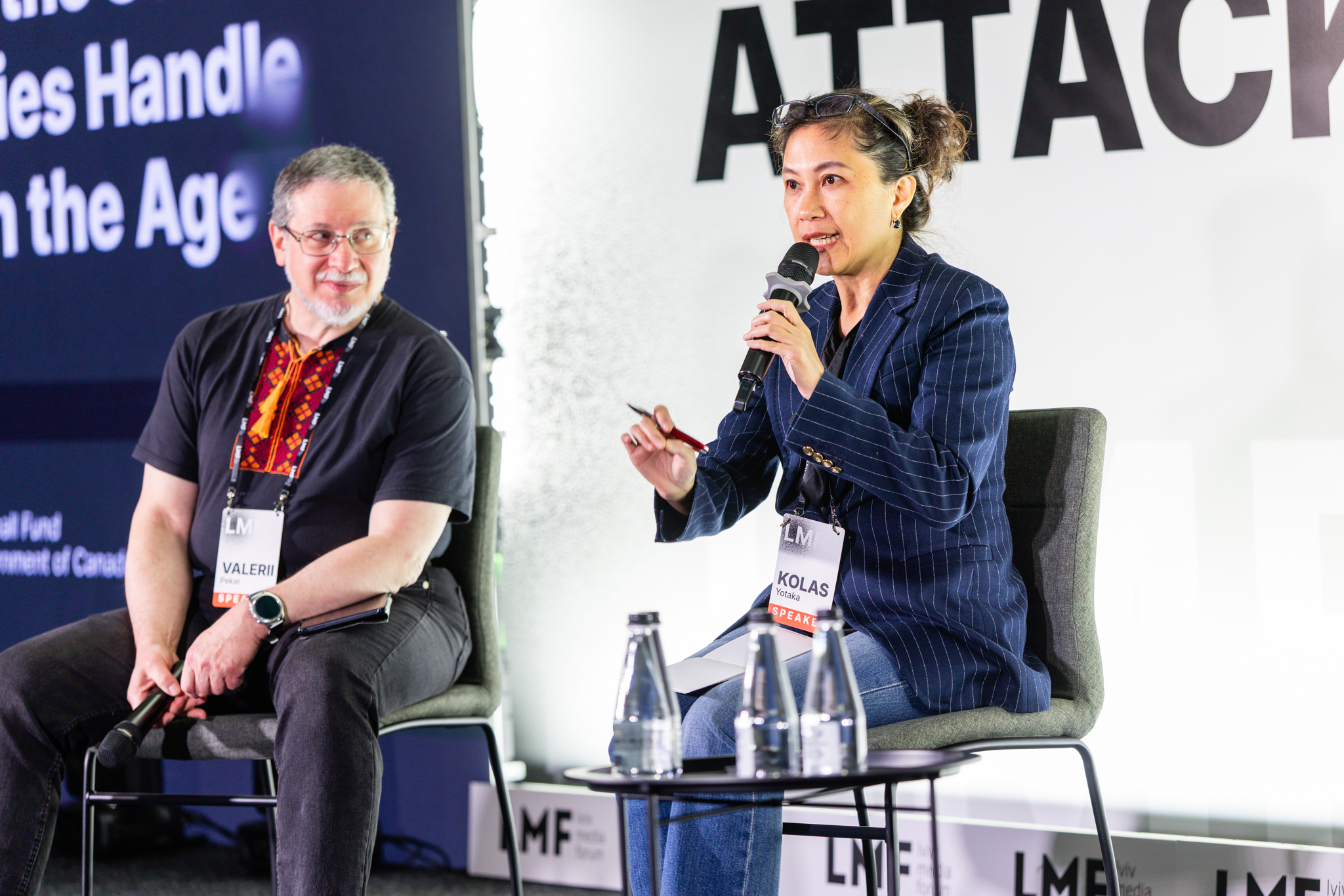

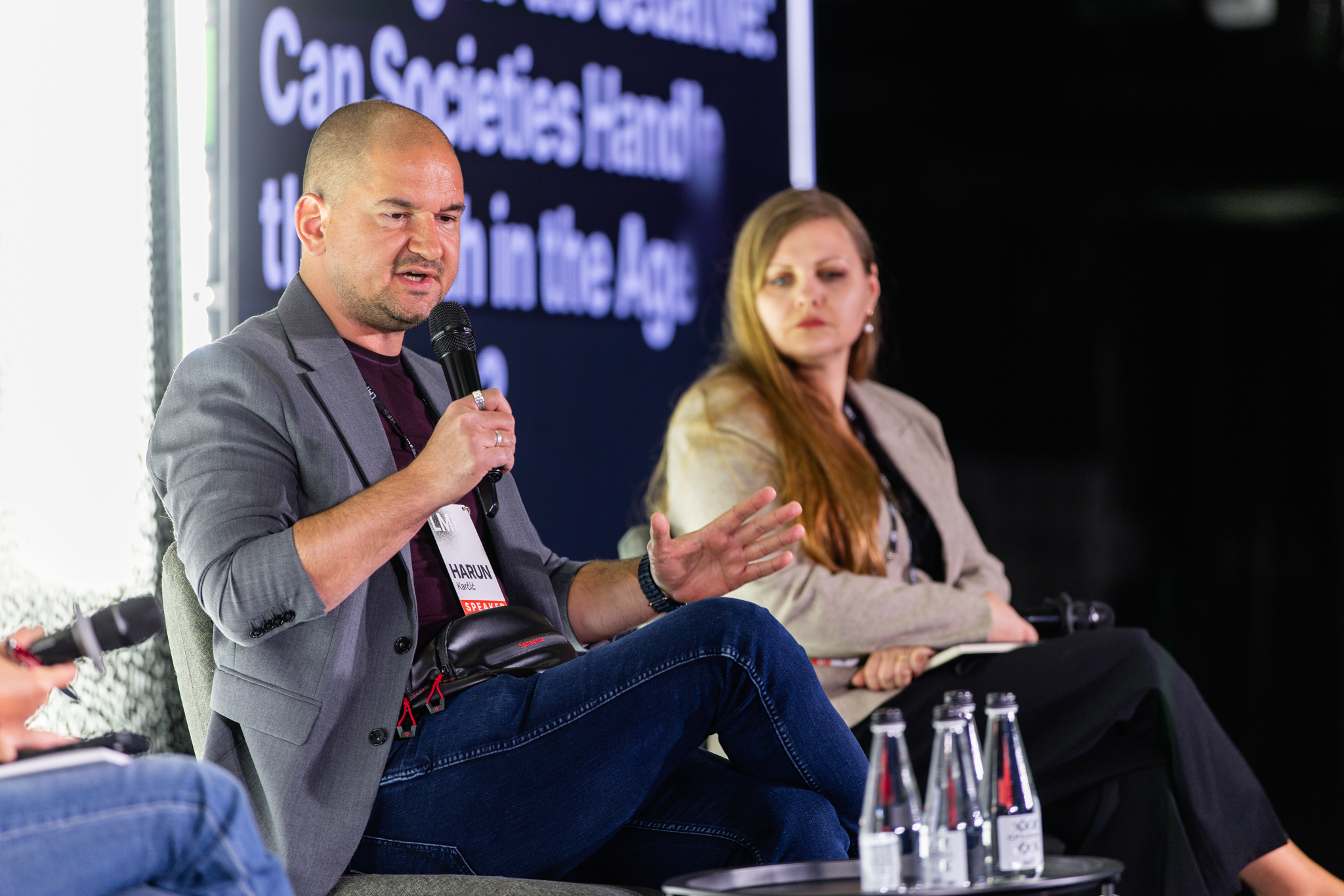
During the discussion, the speakers explored how democratic governments can effectively communicate complex and difficult decisions during crises without losing public trust, and how this impacts the resilience of democracies against populism and the simplistic narratives offered by authoritarian models.
“Get Complicated. How to Counter Autocracies Through the Philosophy of Bildung”
Another key event was a discussion featuring Lene Rachel Andersen, a Danish philosopher and researcher on decision-making in the postmodern era, and Valerii Pekar, a Ukrainian entrepreneur and activist.
The conversation focused on how education, the cultivation of moral maturity and critical thinking shape responsible citizens, serving as the key to a resilient democracy when facing complexity, populism, and authoritarian challenges.
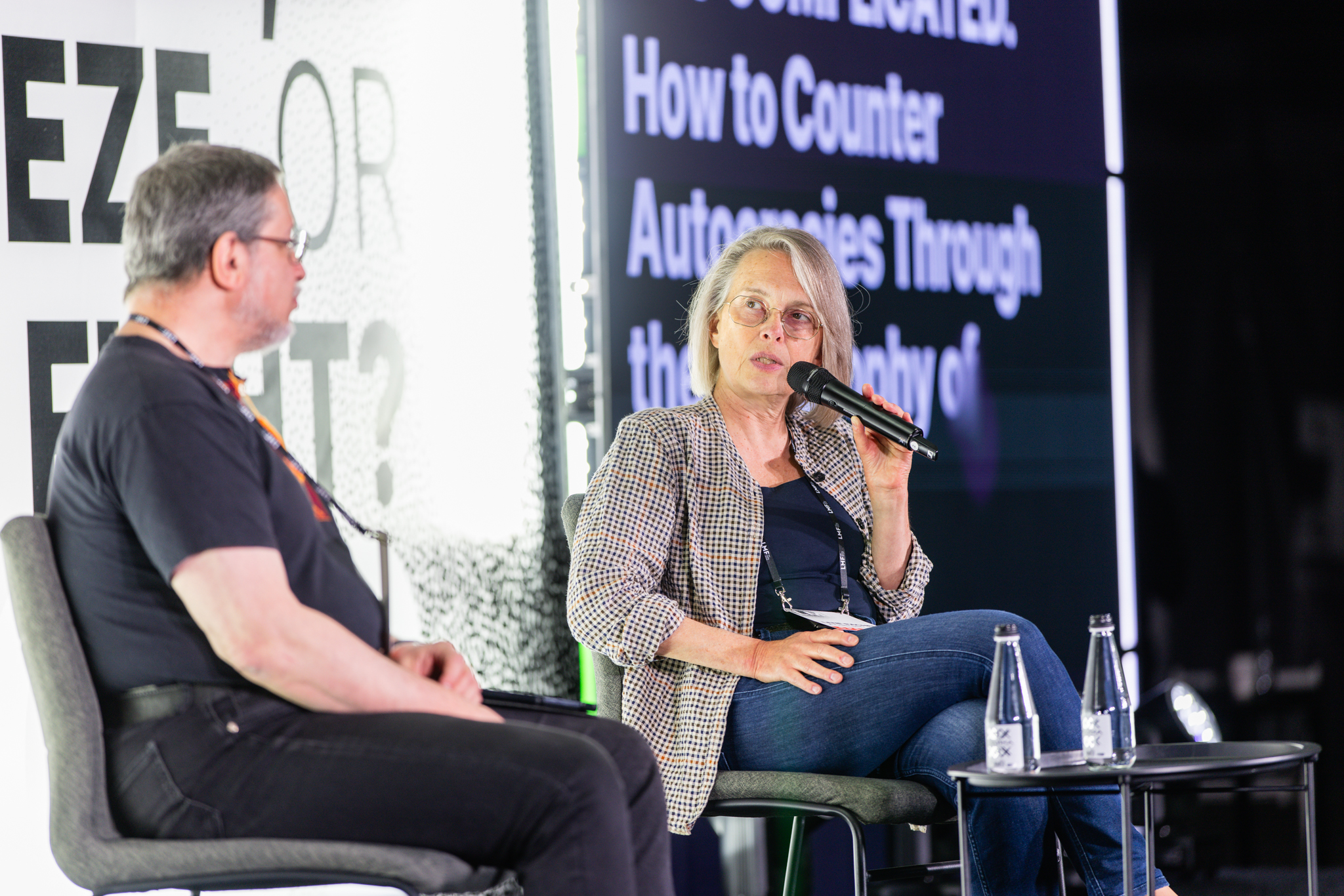

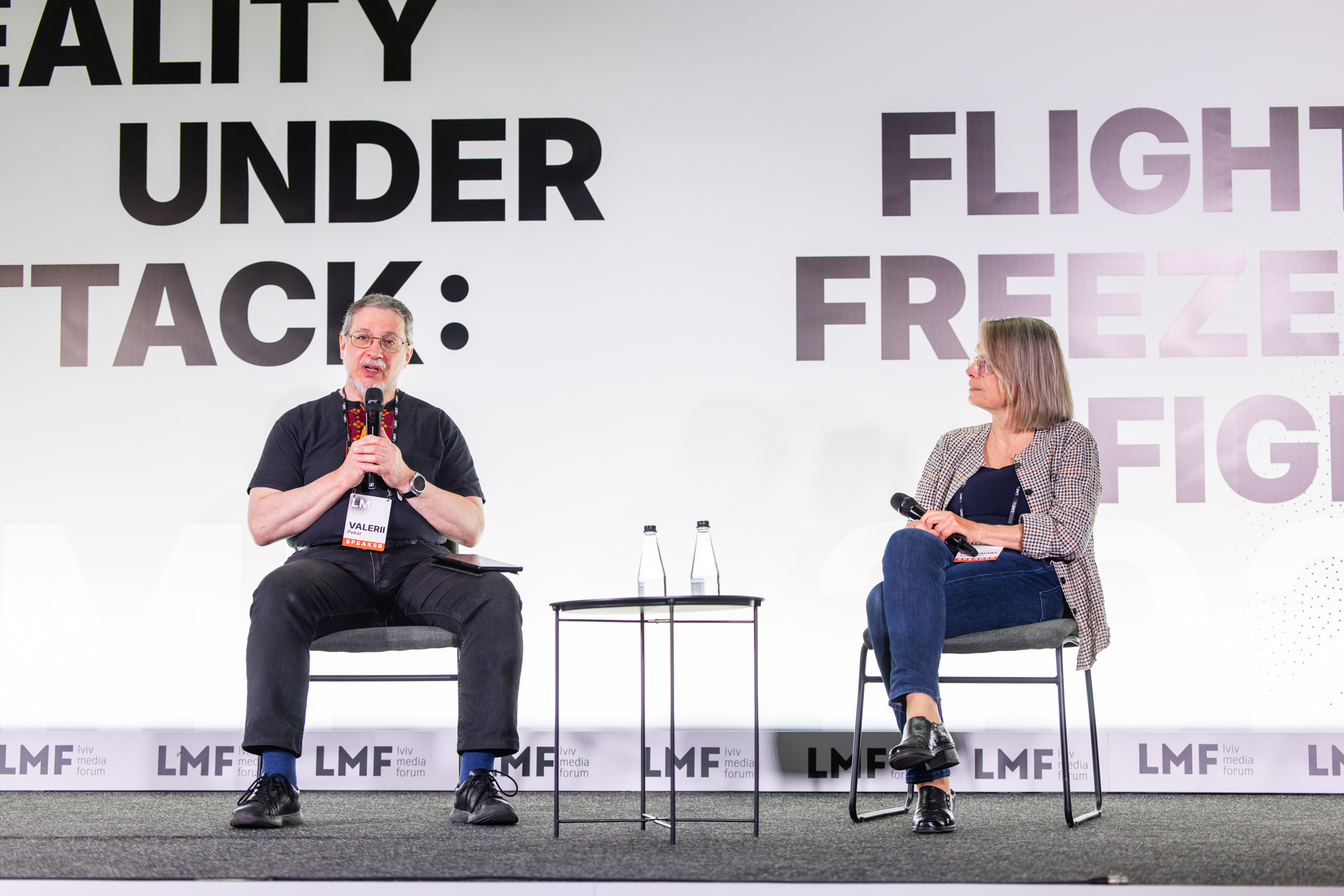
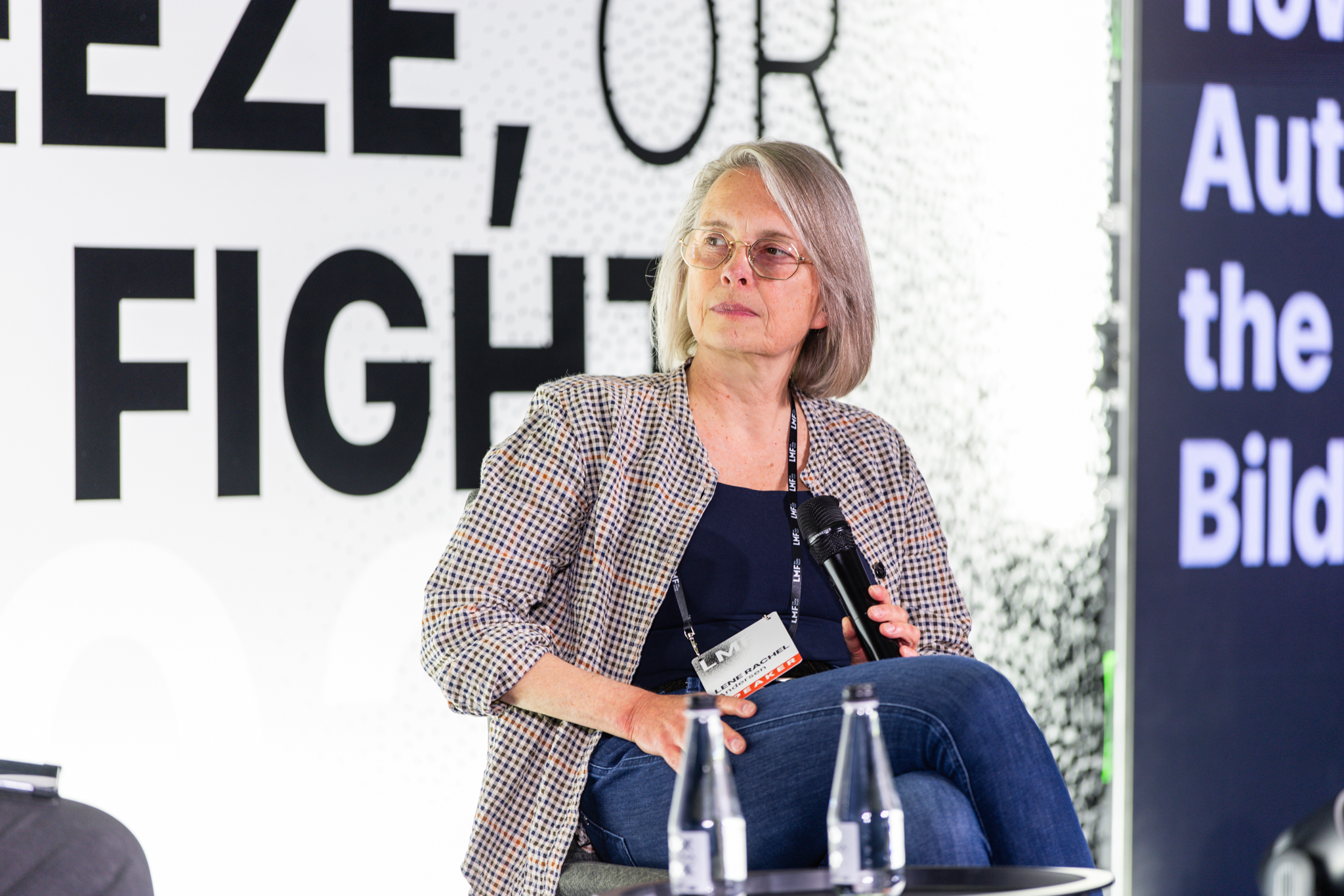
“In my opinion, to cope with the complexity and challenges we face today, we all need to develop our moral compass, ethics, and personal values — and truly be conscious of them. That is why we must change our approach to education and speak to one another differently. We need a different type of leadership. And I don’t just mean political leadership; I mean leadership at work, within the family, and among friends — wherever we start talking about the things that truly matter in life,” shared Lene Rachel Andersen.
“After Visibility. What Remains of Media Power When Algorithms Own Distribution?”
The main program of the conference concluded with a discussion between Natalia Antelava, co-founder of the US-based media outlet Coda Story, and Nataliya Gumenyuk, a Ukrainian international journalist and co-founder of the Public Interest Journalism Lab. The conversation focused on the future of media and the transformation of its role at a time when social media algorithms increasingly dictate content visibility, and traditional media is steadily losing its influence over how information is distributed and how public perception of reality is shaped.
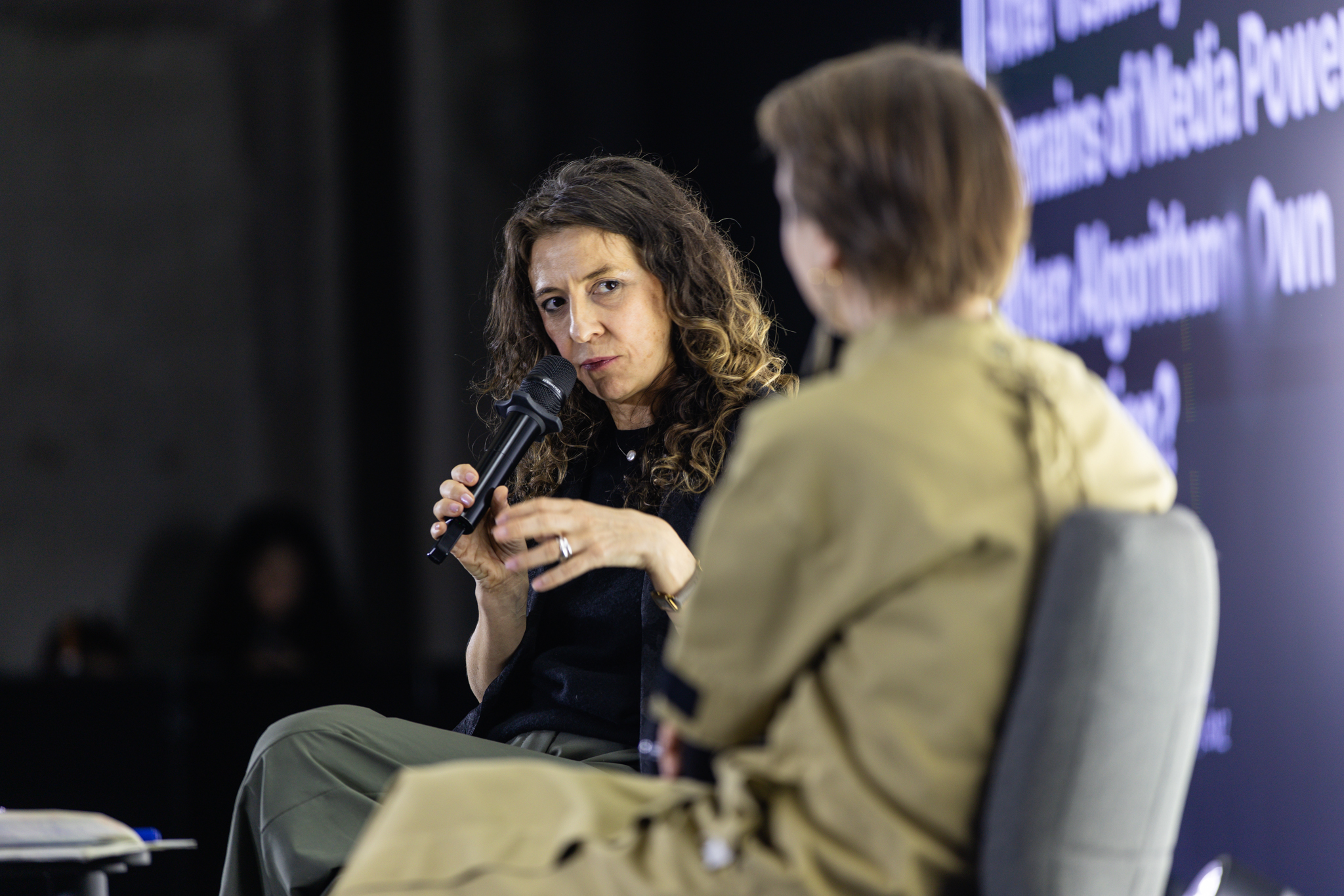
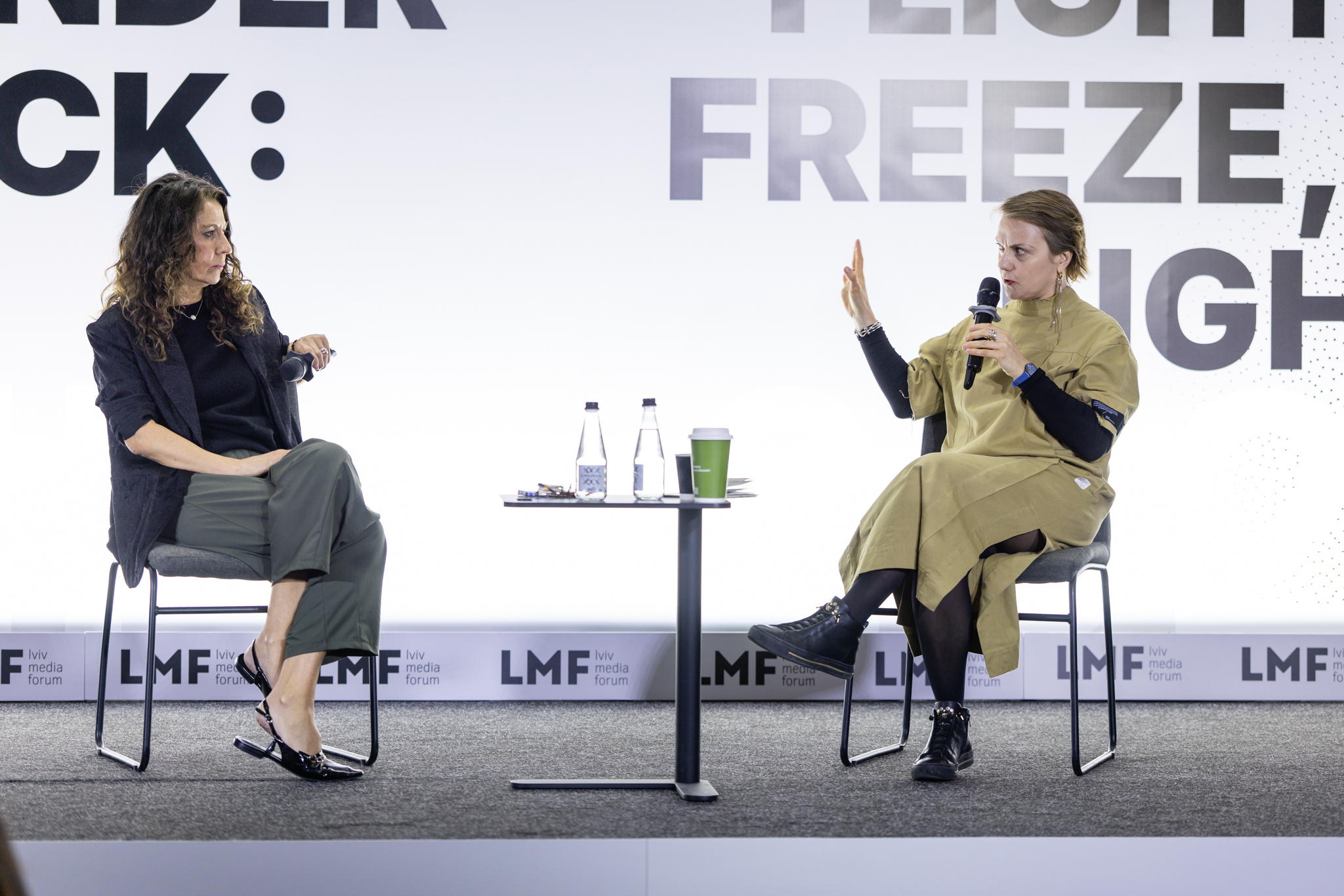
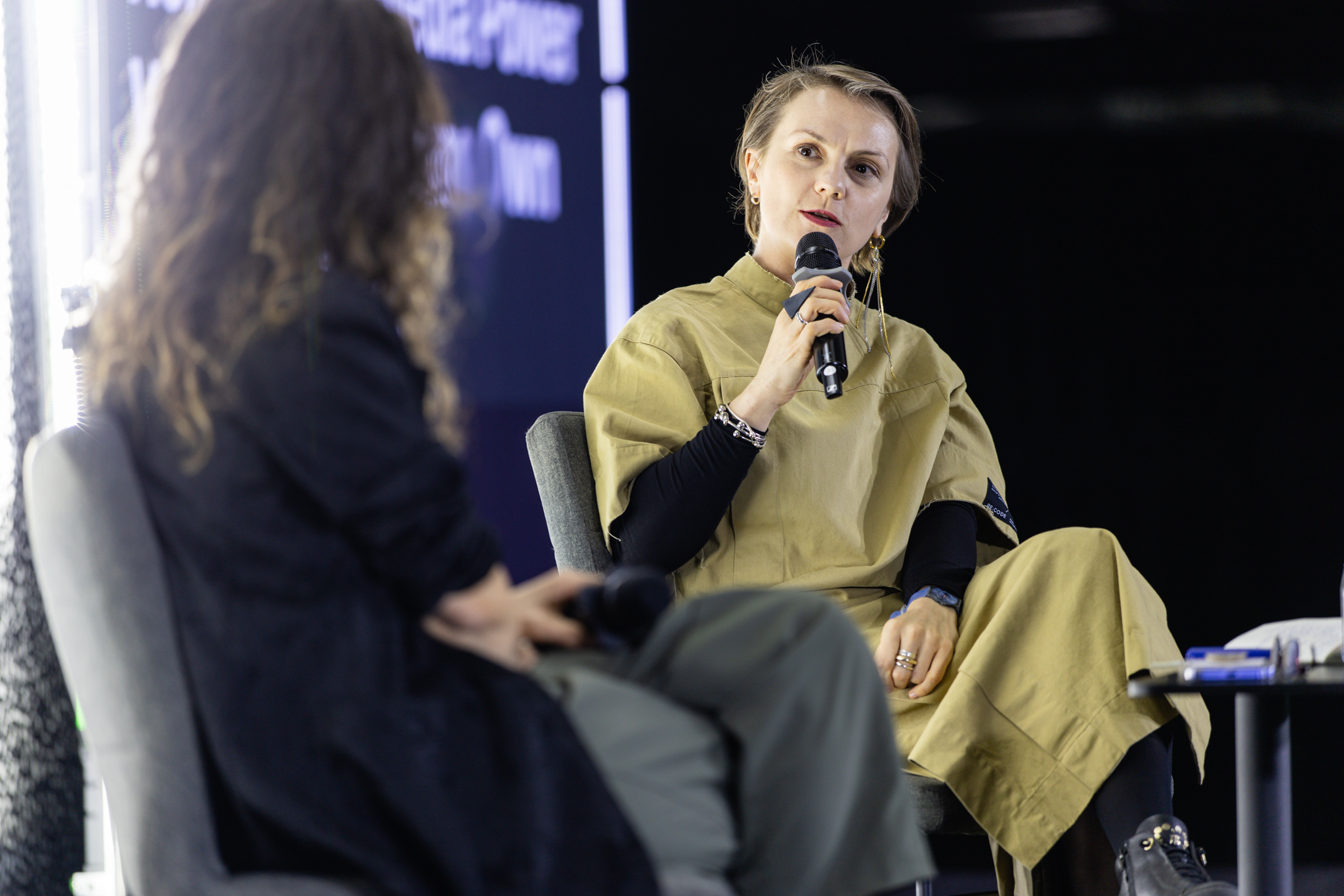
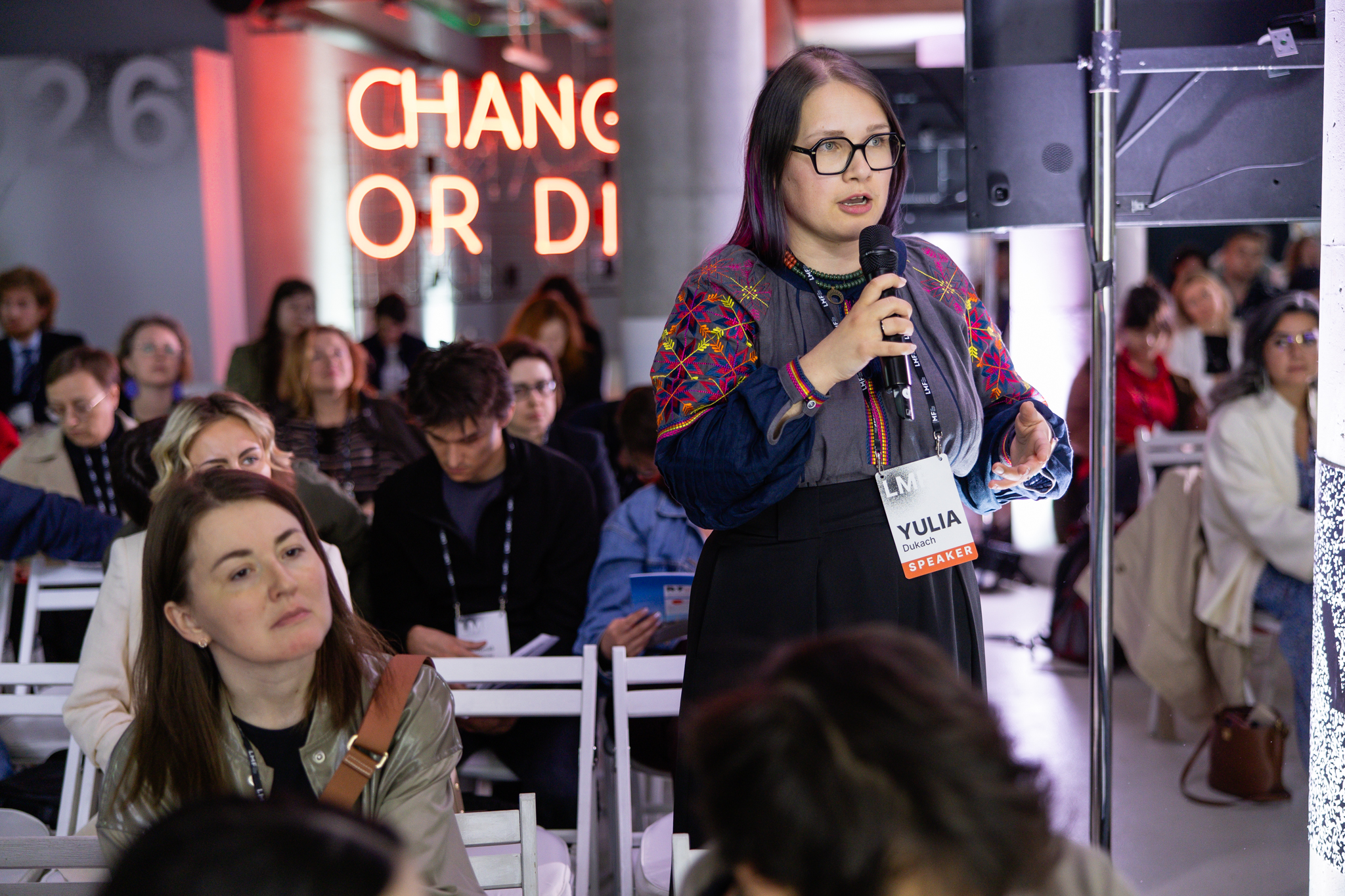
“We need to rethink the basic journalistic artifact. It used to be the article. Now, it is the insight. How do we ensure this insight travels through a broken and fragmented system?” shared Natalia Antelava.
LMF 2026 Side Events
In addition to the main program, LMF 2026 featured a series of side events held from May 13 to 16 in partnership with Ukrainian and international organizations.
These events provided additional space for discussion, professional networking, and deeper dives into topics vital to the media community — ranging from reporting on life in the temporarily occupied territories and data journalism to international communication partnerships and countering disinformation.
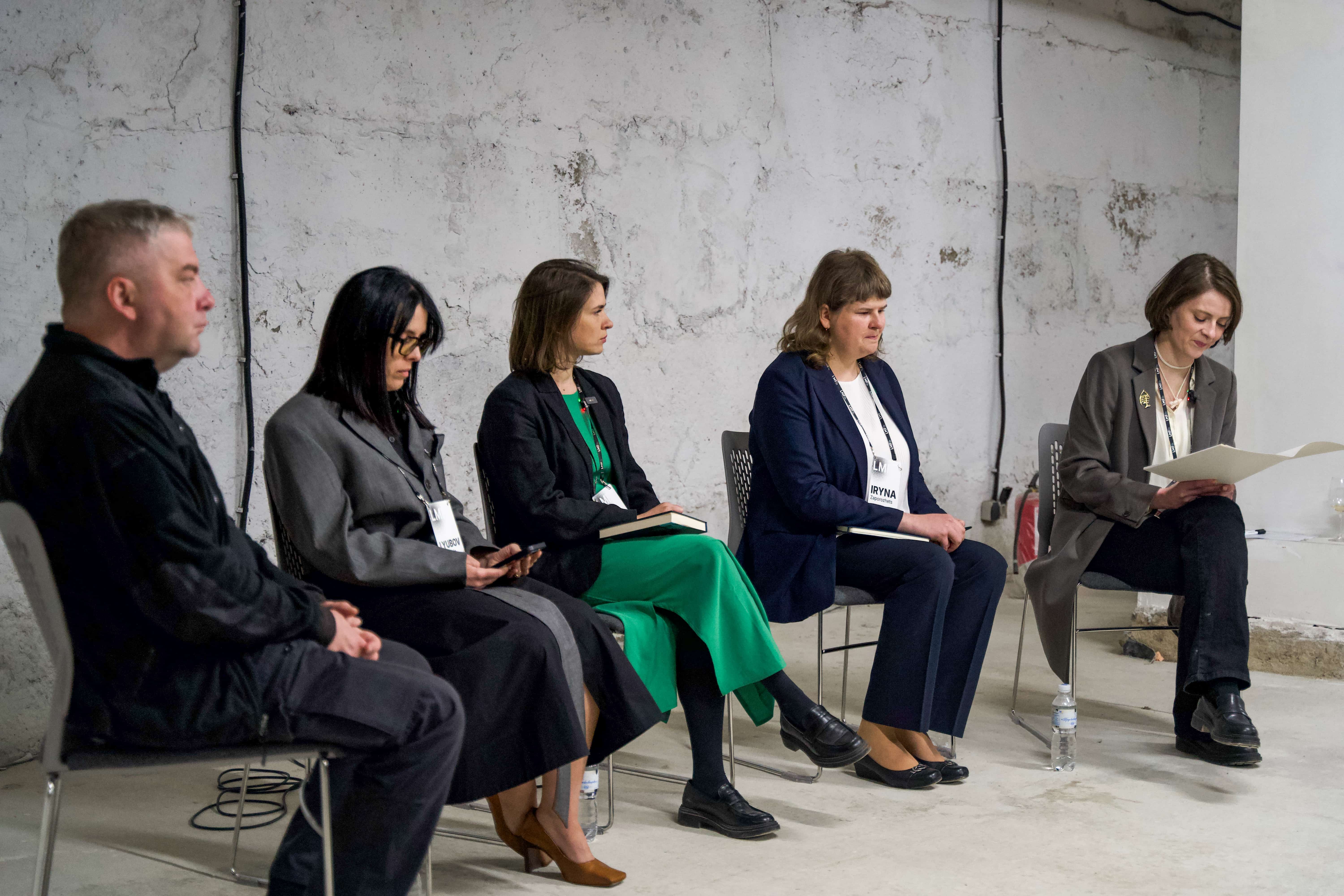
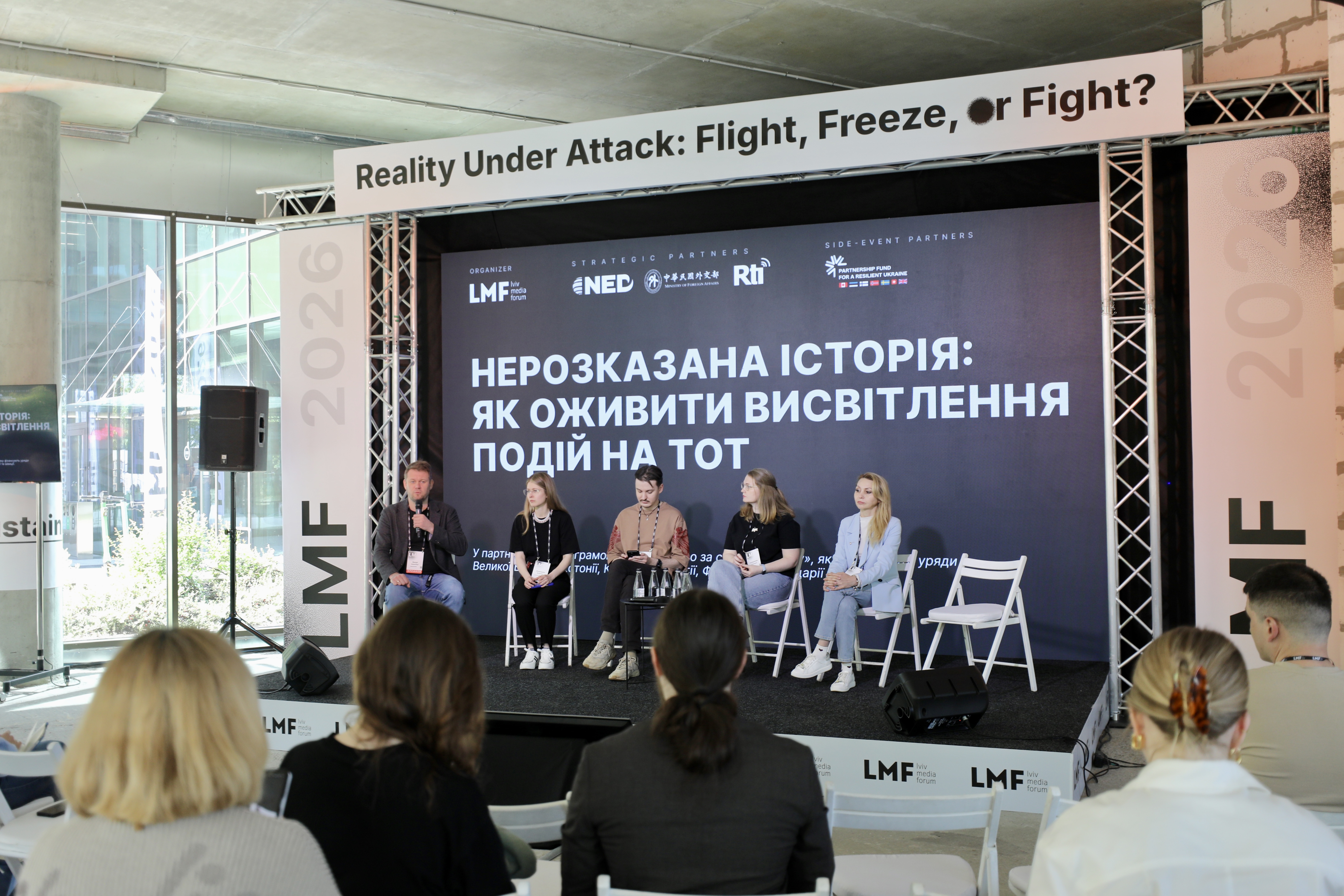
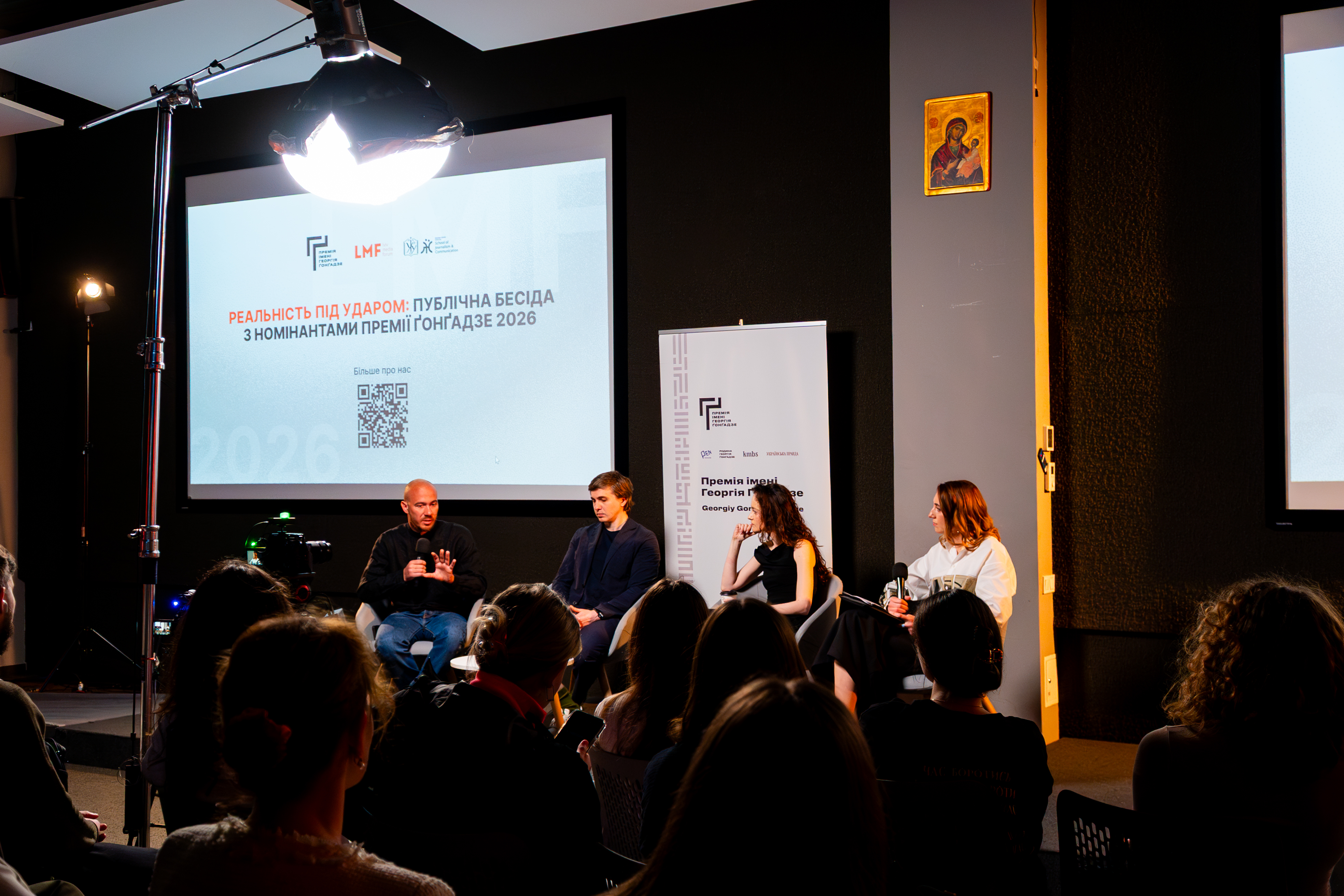
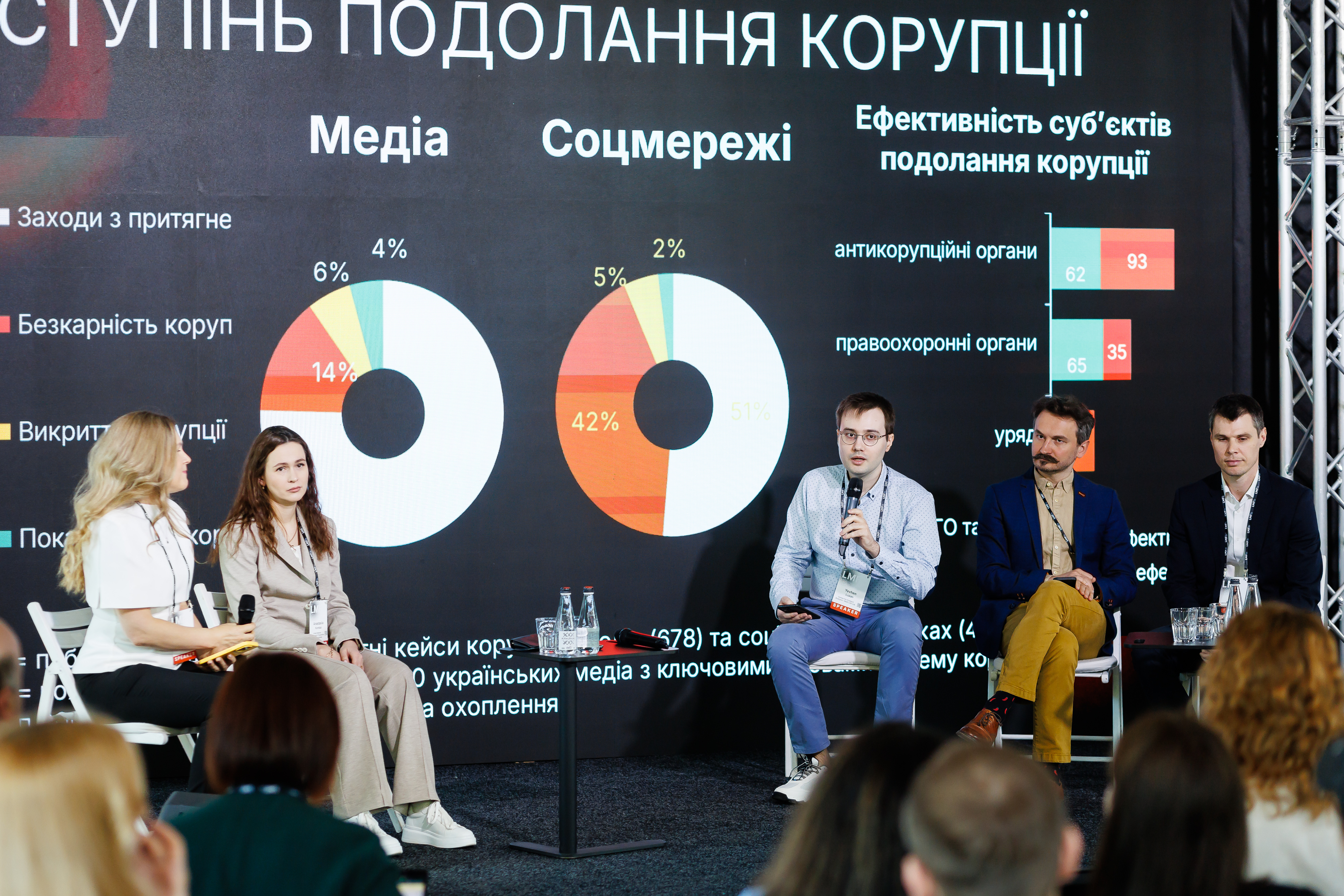
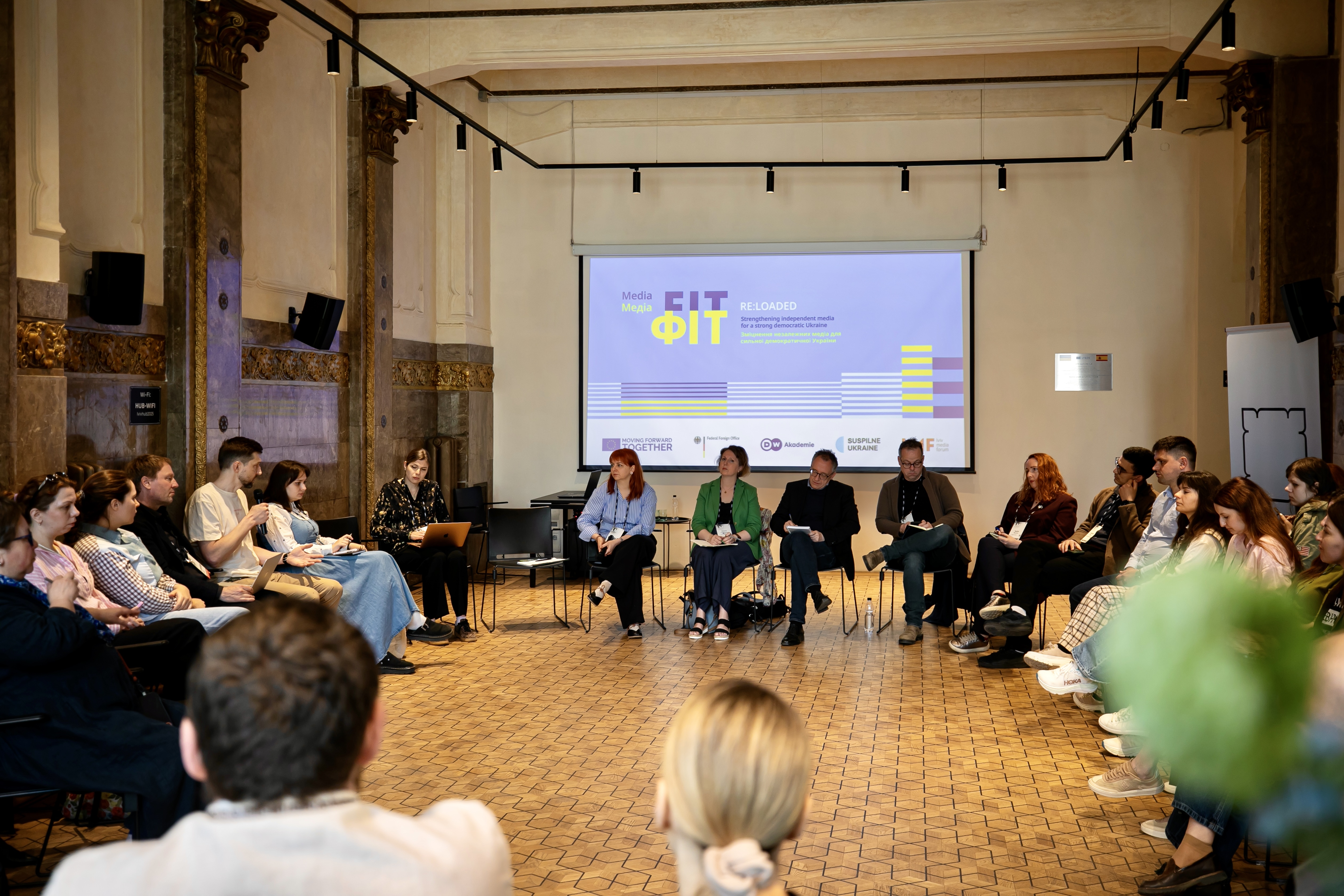
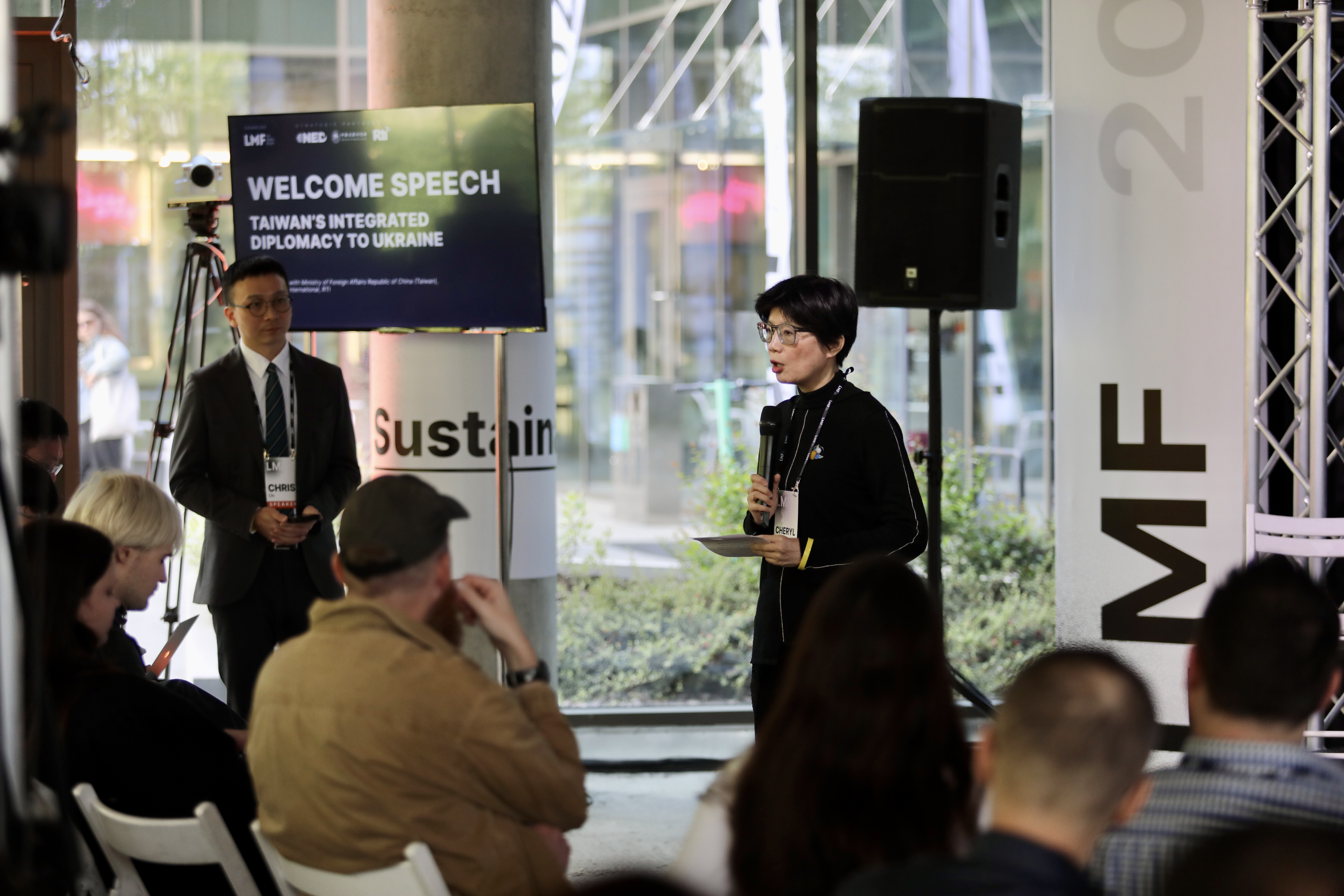
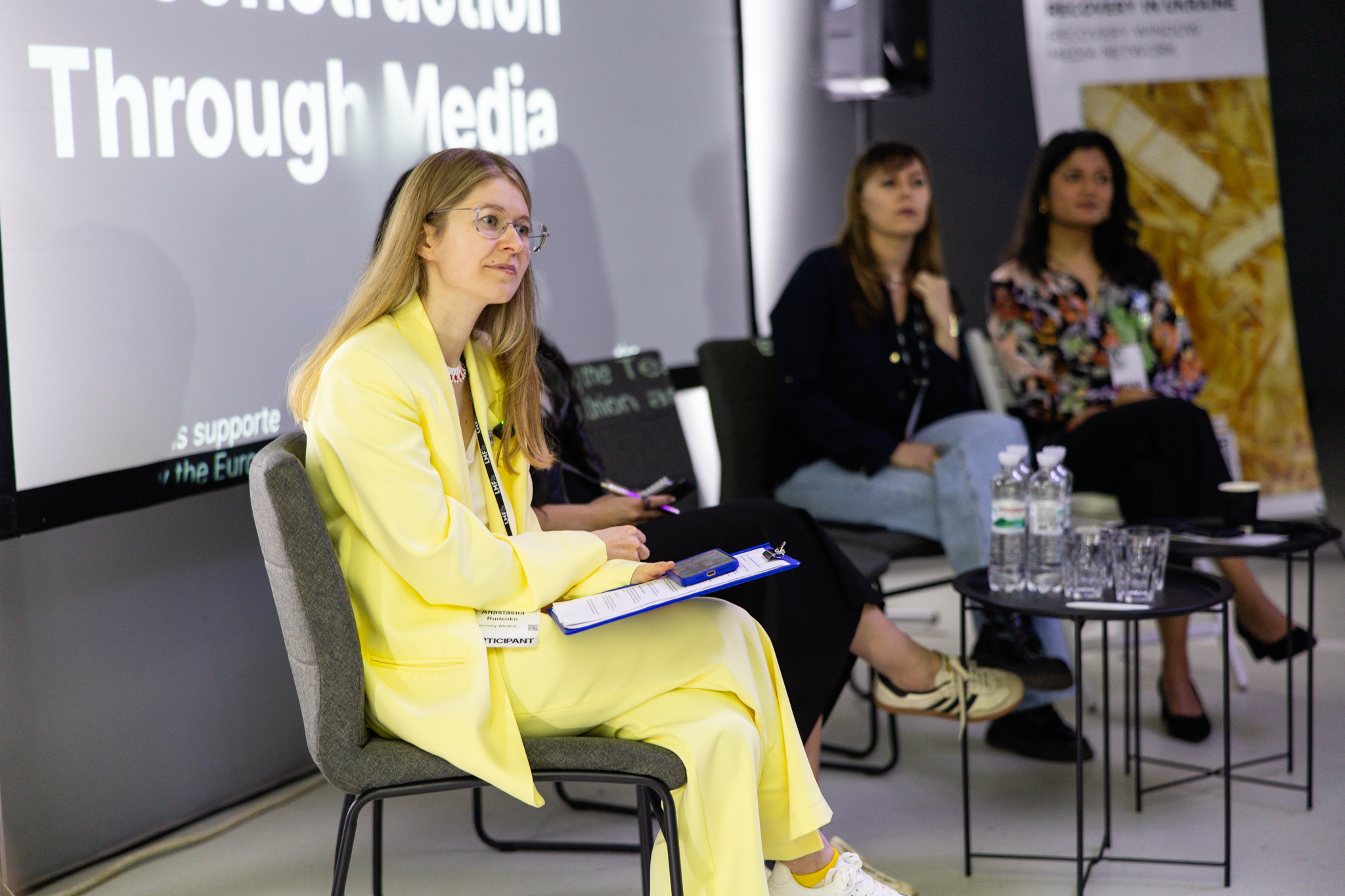
Side event partners included INDEX: Institute for Documentation and Exchange, NGO 'Civilians in Captivity', The Media Initiative for Human Rights (MIHR), Partnership Fund for a Resilient Ukraine (PFRU), funded by aid from the governments of Canada, Estonia, Finland, Norway, Sweden, Switzerland, and the United Kingdom, Georgiy Gongadze Prize, National Agency on Corruption Prevention (NACP), the United Nations Development Programme (UNDP) in Ukraine, funded by the Government of Japan, Recovery Window Media Network, and the Team Europe Initiative EU4Reconstruction (Stream 1), funded by the European Union and co-funded and co-implemented by Germany, Denmark, France and Lithuania.
LMF 2026 Cultural Program
This year, the Lviv Media Forum team presented and organized the cultural program’s centerpiece exhibition in partnership with the Jam Factory Art Center.
Ilona Demchenko, the exhibition’s curator and program director at the Jam Factory Art Center, shares the concept and meaning behind the exhibition:
“This exhibition brings together three works that explore how war is seen and experienced beyond the front lines — through the images, spaces, and forms of attention that shape everyday life. Instead of depicting active combat, the artists focus on its surroundings: moments of silence, movement, and communication. War appears not as an isolated event, but as a condition that permeates intimate spaces, landscapes, and public discourse. All three works offer different modes of viewing: stillness, immersion, and direct address. What is visible is accompanied by what remains off-camera — unspoken, hidden, or merely outlined.”
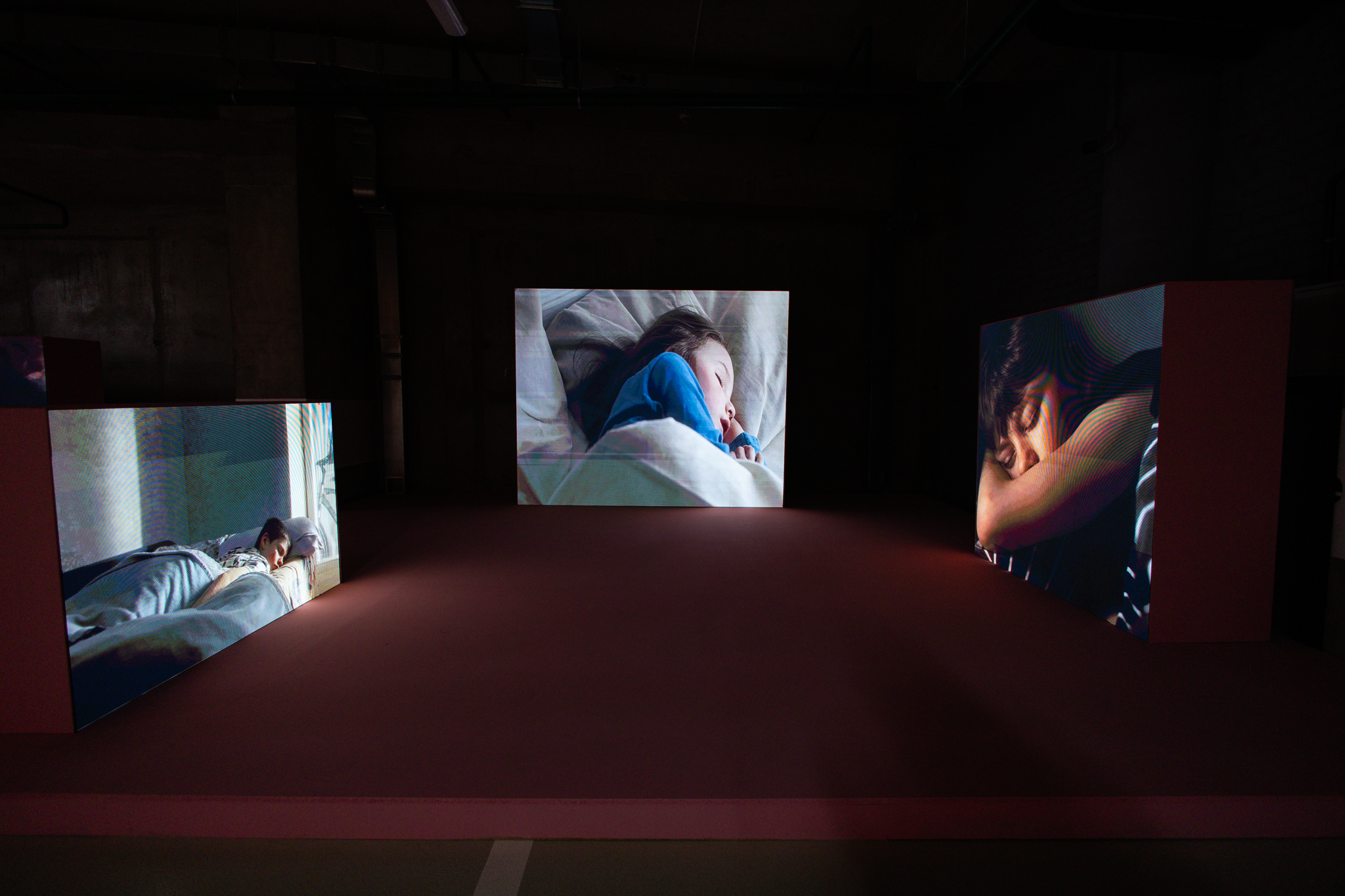
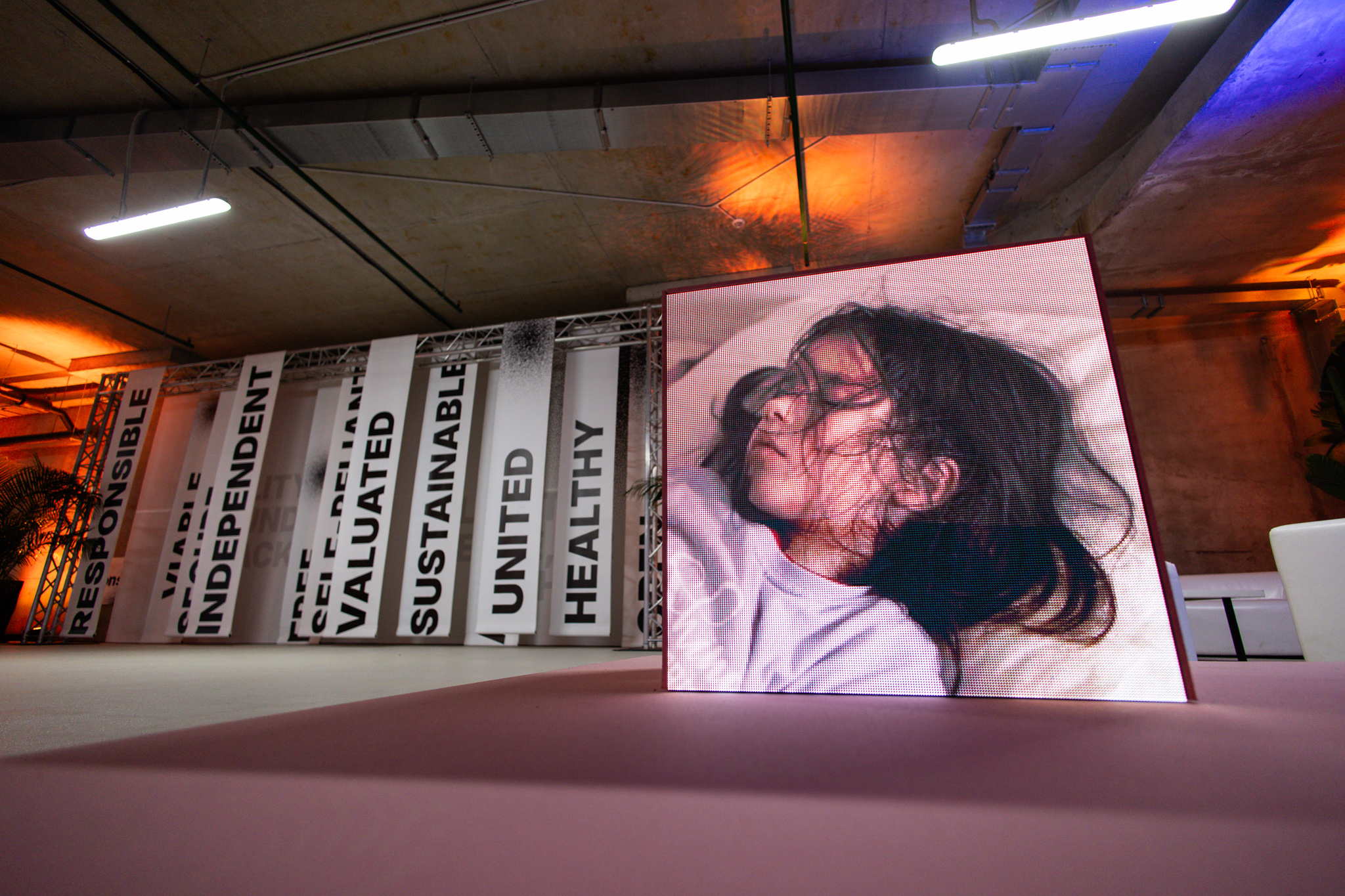
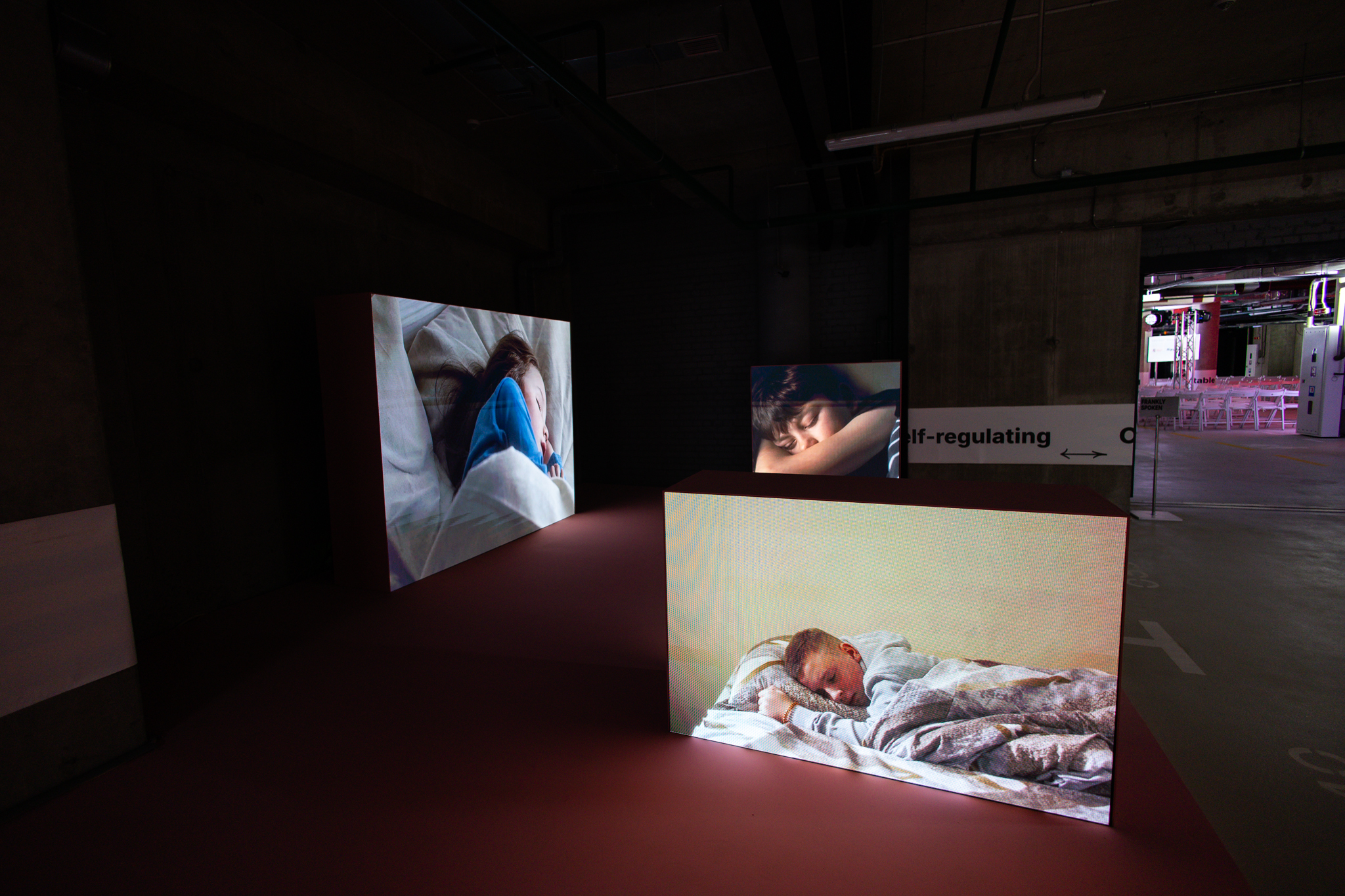
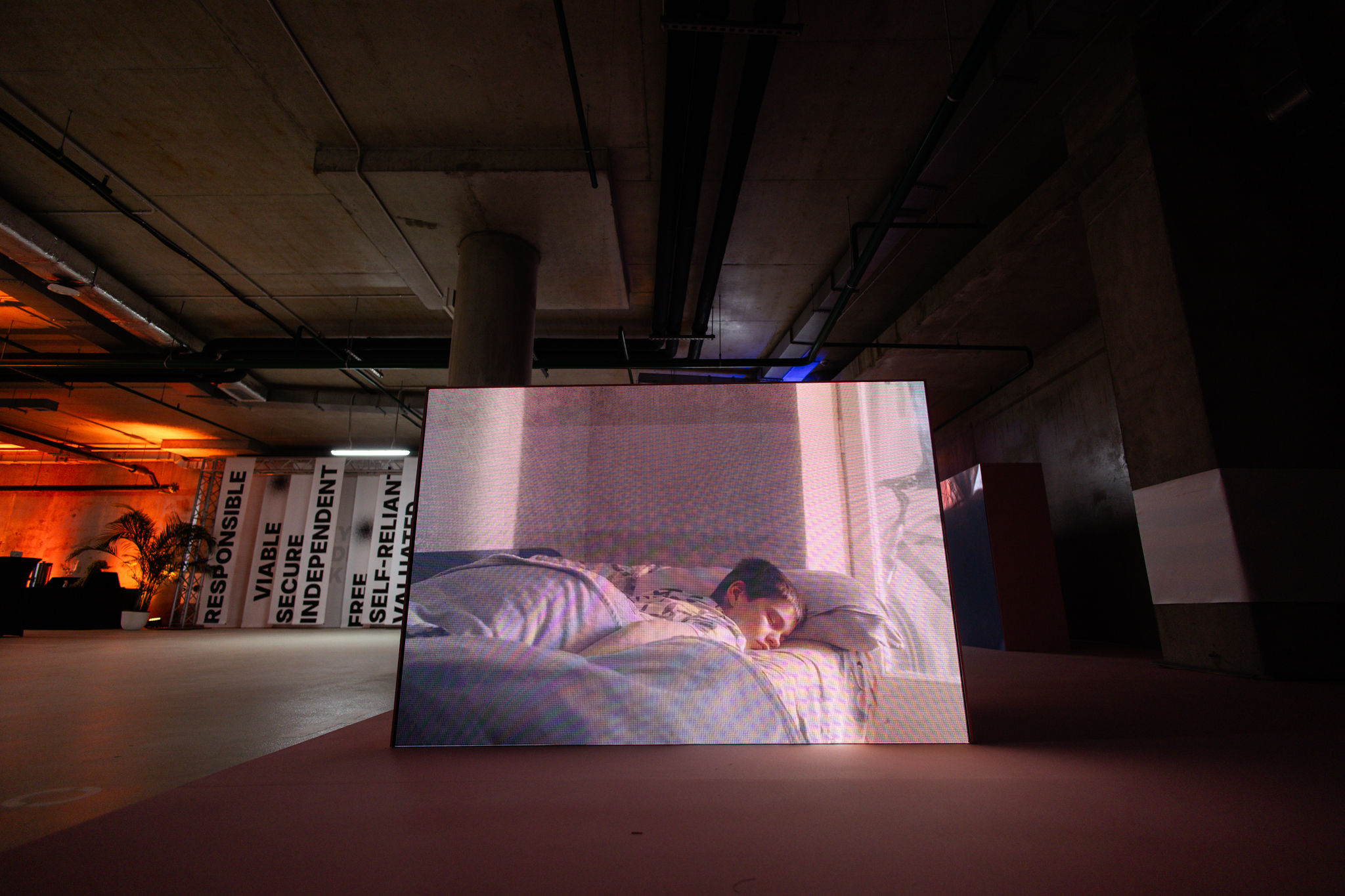
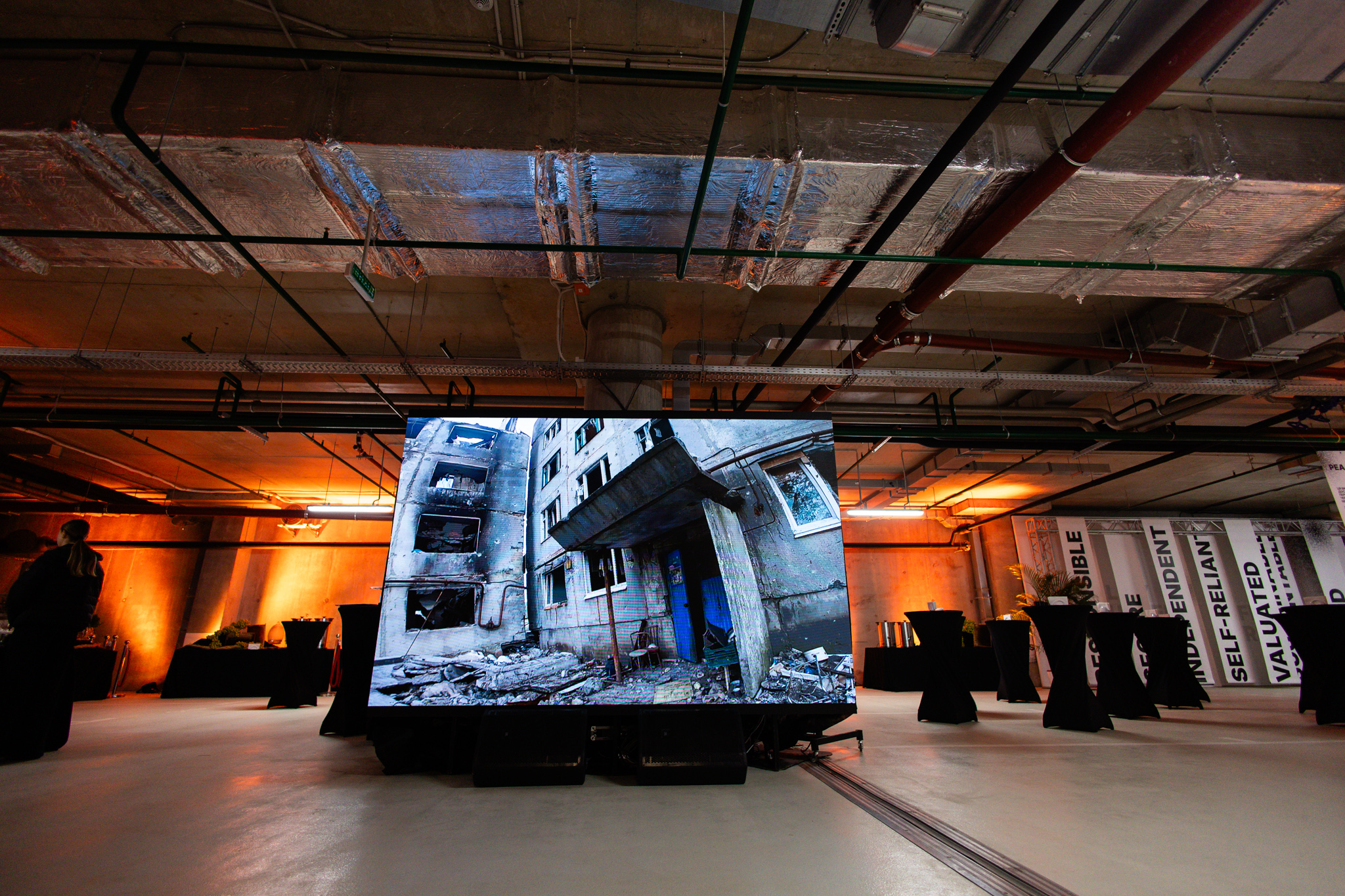
The cultural program’s first piece, showcased at the conference venue, was Yarema Malashchuk and Roman Khimei’s video installation “You Shouldn’t Have to See This” (2024). In 2025, the project won the Offscreen Paris Curatorial Award. The work features Ukrainian children who were forcibly deported to Russia and later returned, filmed while asleep. The six-channel silent installation was displayed on LED screens of various formats. The silence and the scale of the images created a fragile space of empathy that was simultaneously unsettling.
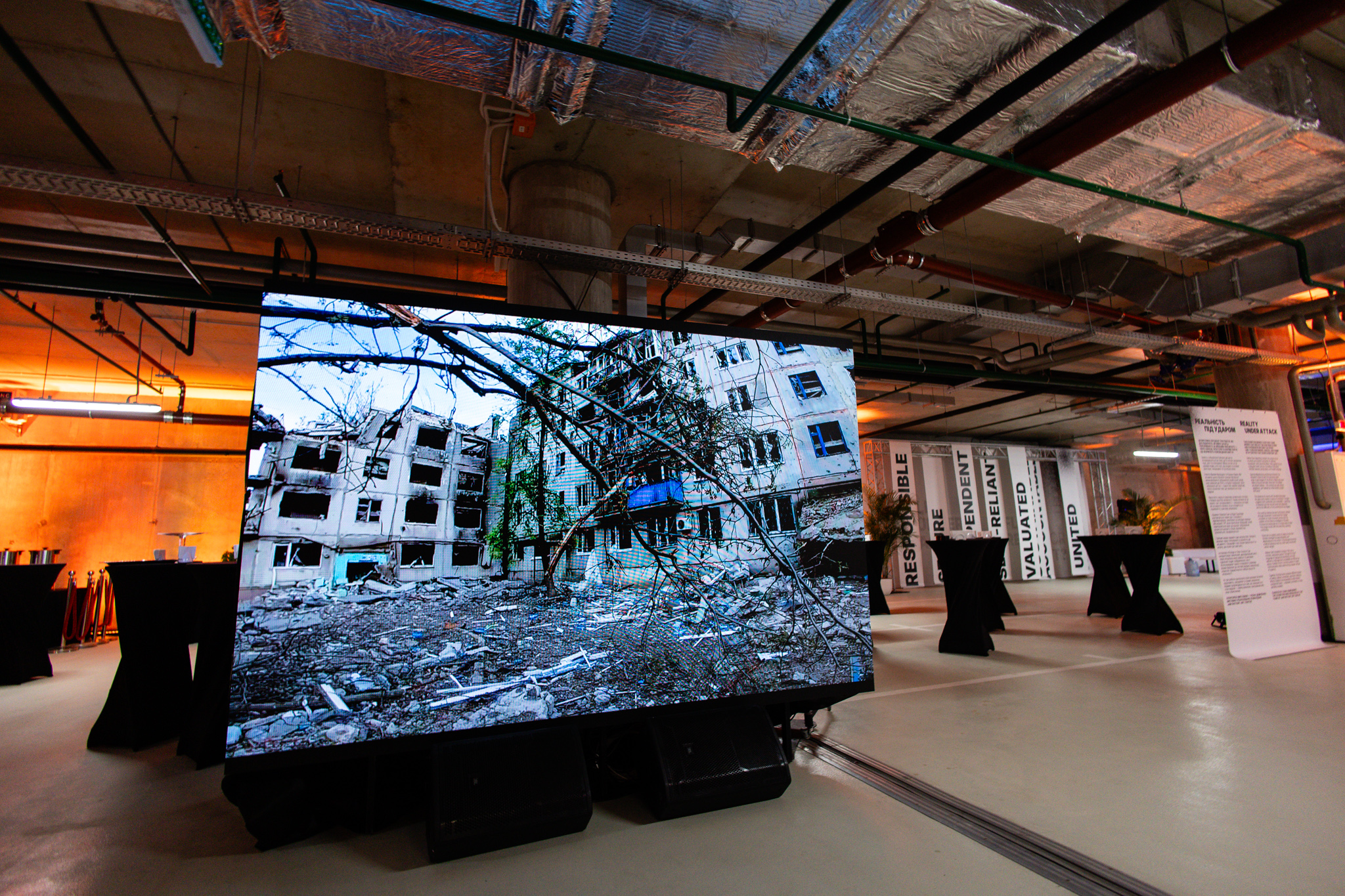
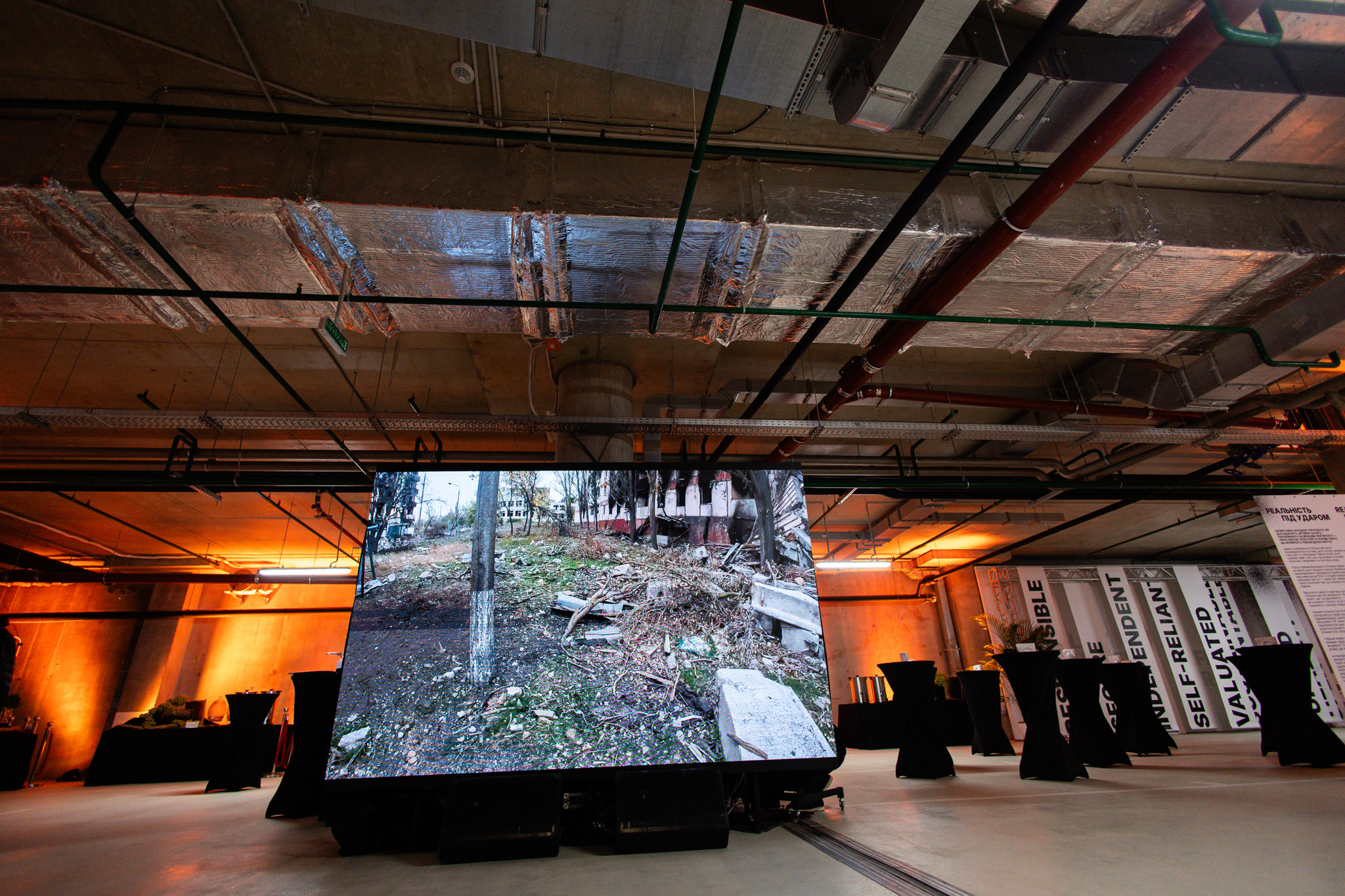
Another featured piece was the immersive video project “Land” (2026) by Oleksiy Sai and Yurii Gruzinov. The creators used footage from the body cams of Ukrainian Defense Intelligence servicemen to construct a panoramic image of the wartime landscape. The work premiered at the 2026 Venice Biennale, making LMF 2026 its first subsequent screening.
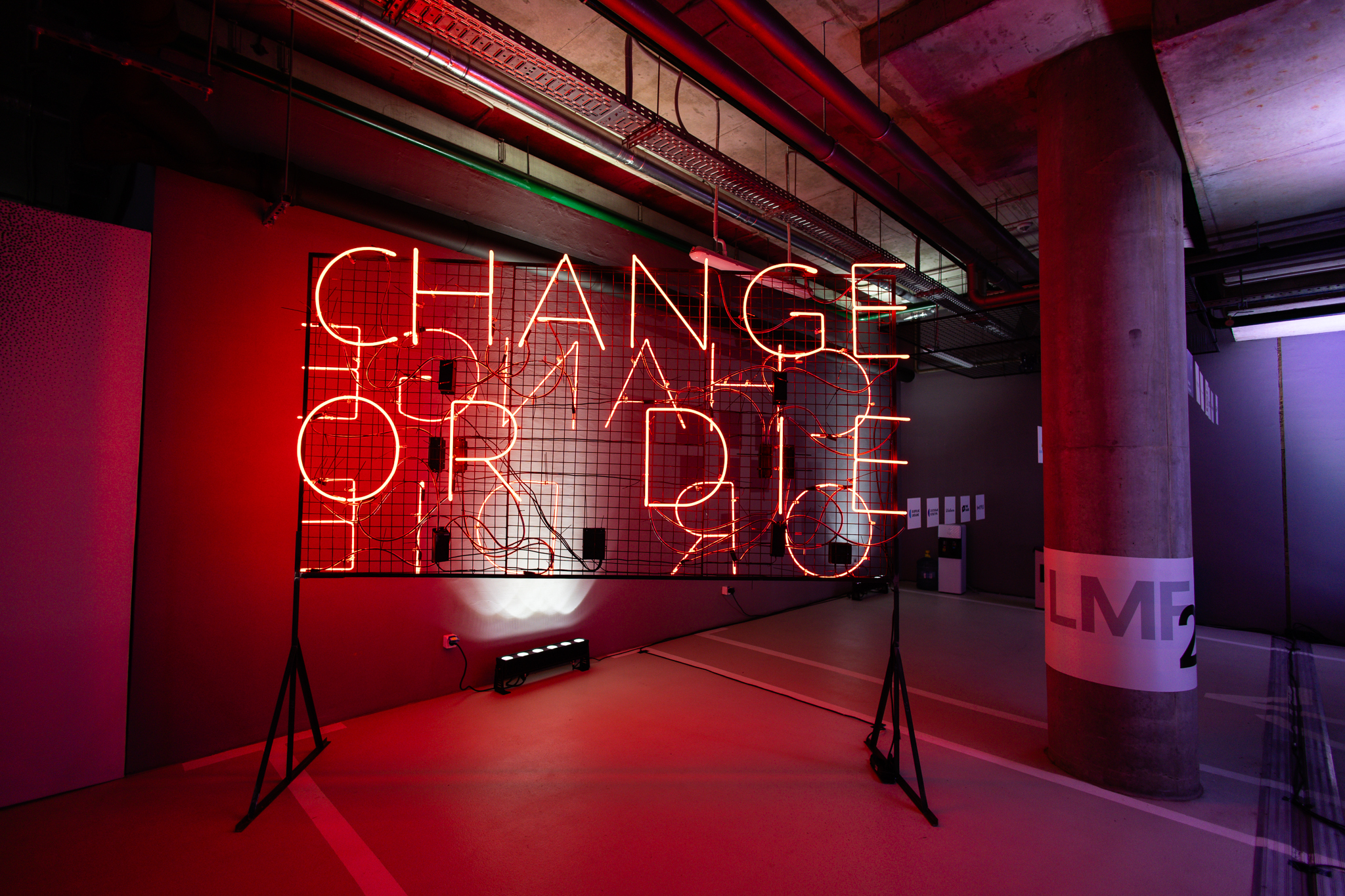
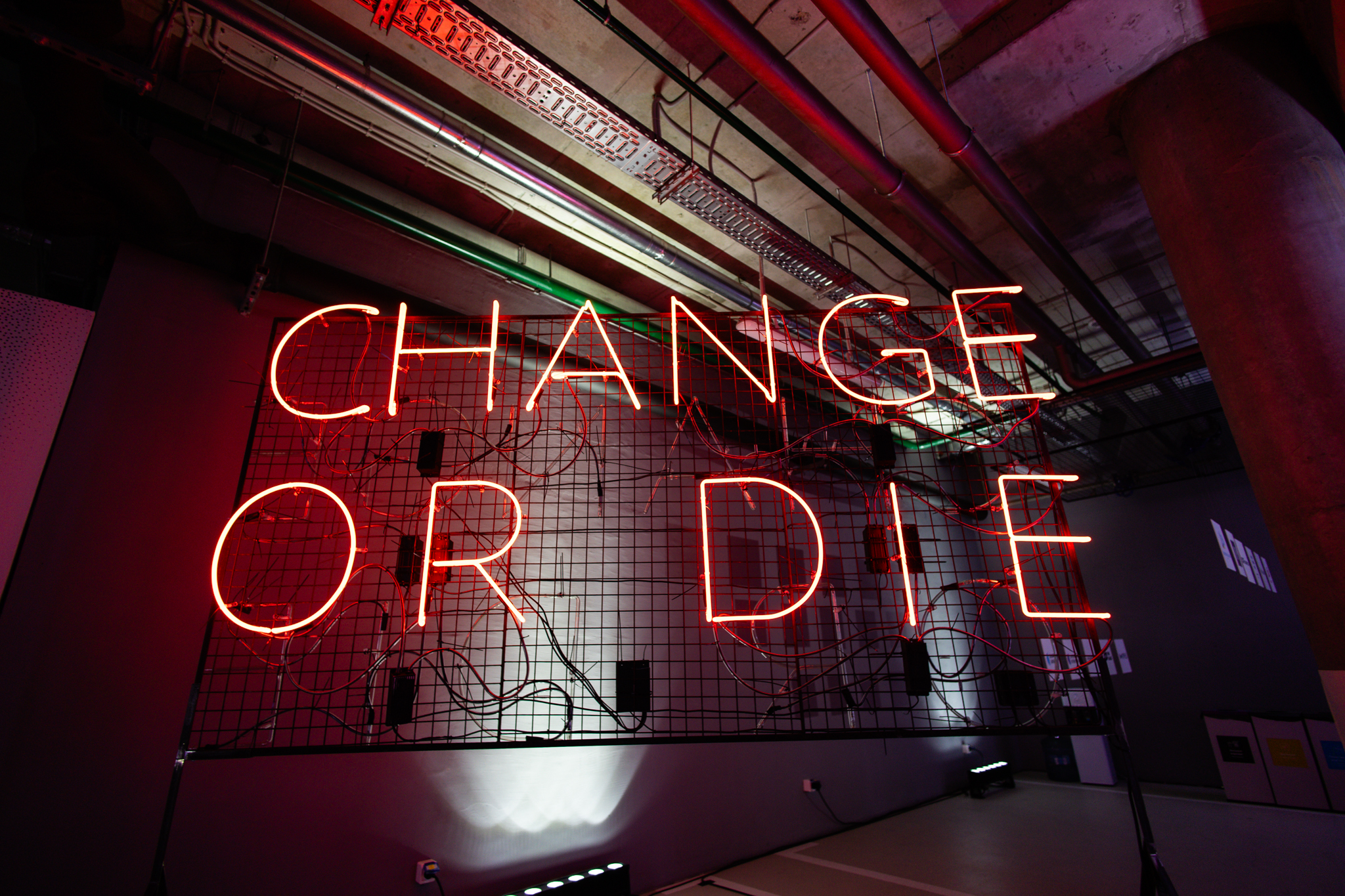
Oleksiy Sai’s installation “Change or Die” (2026) was also presented. The work employs the language of corporate slogans to issue a demand to the viewer: the world as we knew it is gone, and change has become a prerequisite for moving forward. Within the exhibition, the project served as a concise leitmotif on the need for radical adaptation — a theme the other works unfold through the experience of war and the perception of reality.
Thank you to the partners who supported the Conference
LMF 2026 is organized by the team of the non-governmental organization Lviv Media Forum. We are sincerely grateful to our partners for supporting this event.
Strategic Partners: Ministry of Foreign Affairs of Taiwan, Radio Taiwan International.
Event Partners: DW Akademie, Deutsche Welle funded by the European Union and co-founded by the Federal Ministry for Economic Cooperation and Development of Germany (BMZ); the Government of Canada, The German Marshall Fund of the United States, the Embassy of Sweden, IMS (International Media Support).
Allies and Contributors: Partnership Fund for a Resilient Ukraine (PFRU), Fritt Ord Foundation, National Agency on Corruption Prevention (NACP), Federal Foreign Office of Germany, European Centre for Press and Media Freedom (ECPMF), UNESCO and the people of Japan, ARTICLE 19, INDEX: Institute for Documentation and Exchange, Jam Factory Art Center, Donbas Media Forum, Coalition of Culture Actors, The Raphael Lemkin Society, The Reckoning Project, EU4Recovery, Recovery Window, Georgiy Gongadze Prize, Transatlantic Dialogue Center, Public Interest Journalism Lab, RITO Group, Krayna, Dukachi.
Media Partners: Ukrainer, The Kyiv Independent, Deník N, Coda Story, Aftenposten, United24 Media, Euromaidan Press, Ukrainska Pravda, Rubryka, Hromadske Radio, The Ukrainians, Channel 24, Suspilne, Suspilne Culture, Babel, The Gaze, Nakypilo, Seznam Zprávy.
Digital Partners: n-ost, The Fix, UA TV, Silicon Curtain, ShoTam, ua.news, Live Media Hub, Craft, Radio Nakypilo, Nakypilo Osvita, ZEG Festival, UATV English.
Cultural Partners: Lvivska Poshta, LiRoom, Memorial Memory Platform.